
Last updated November 24, 2026
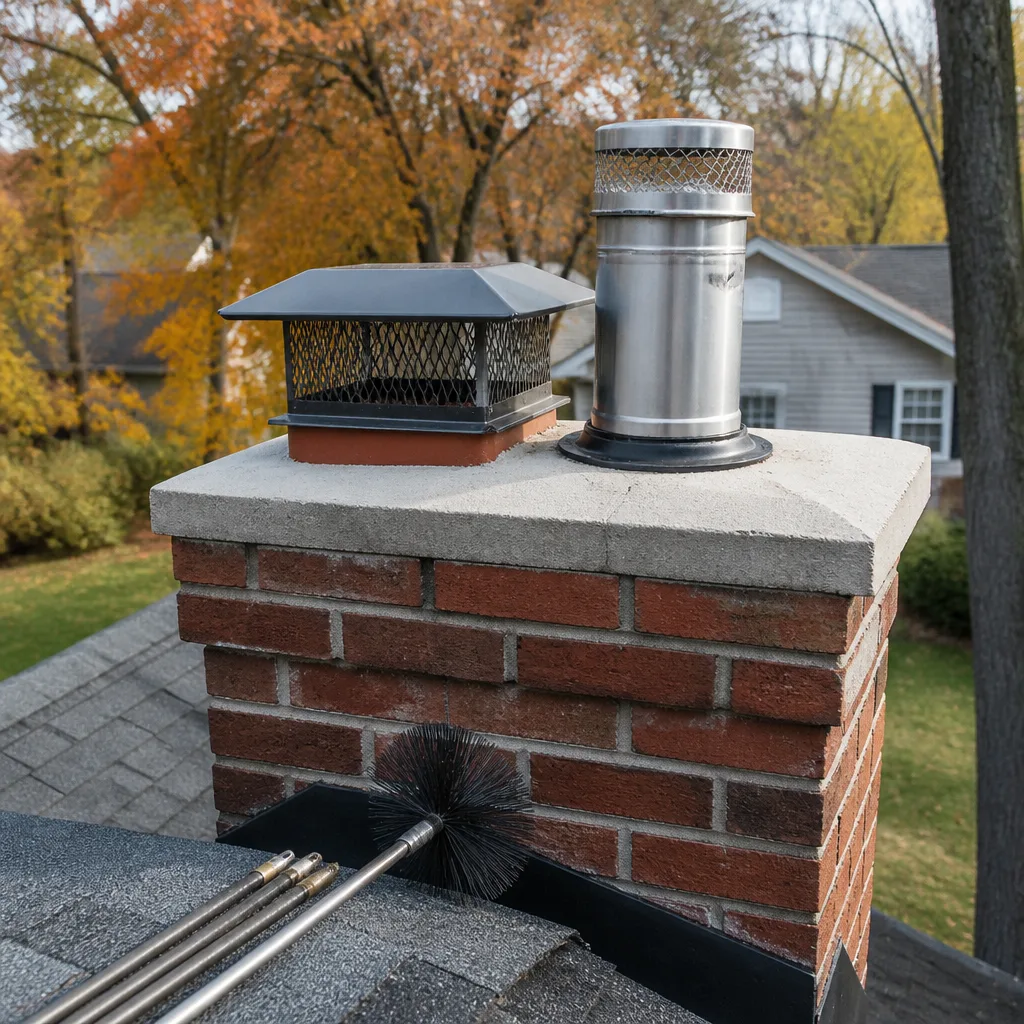 Sweep & inspection
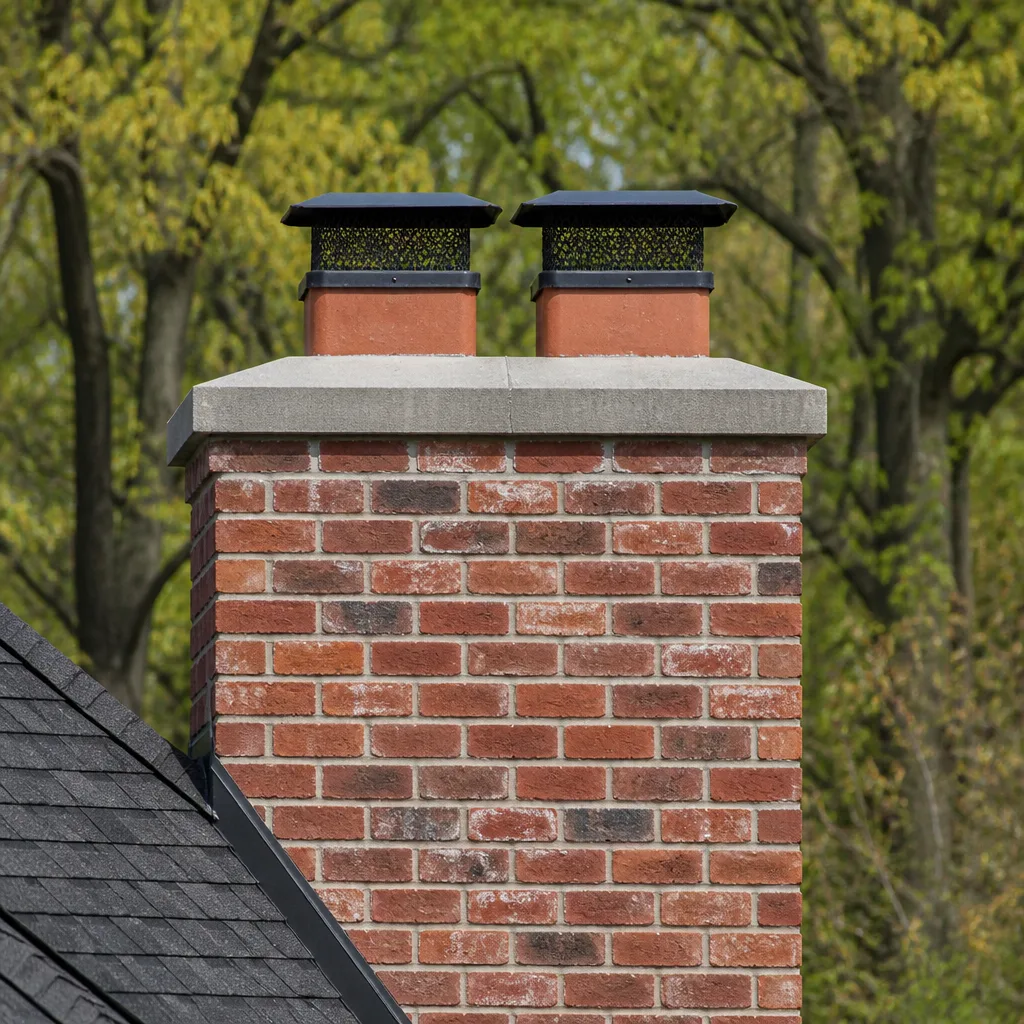 Caps & crowns
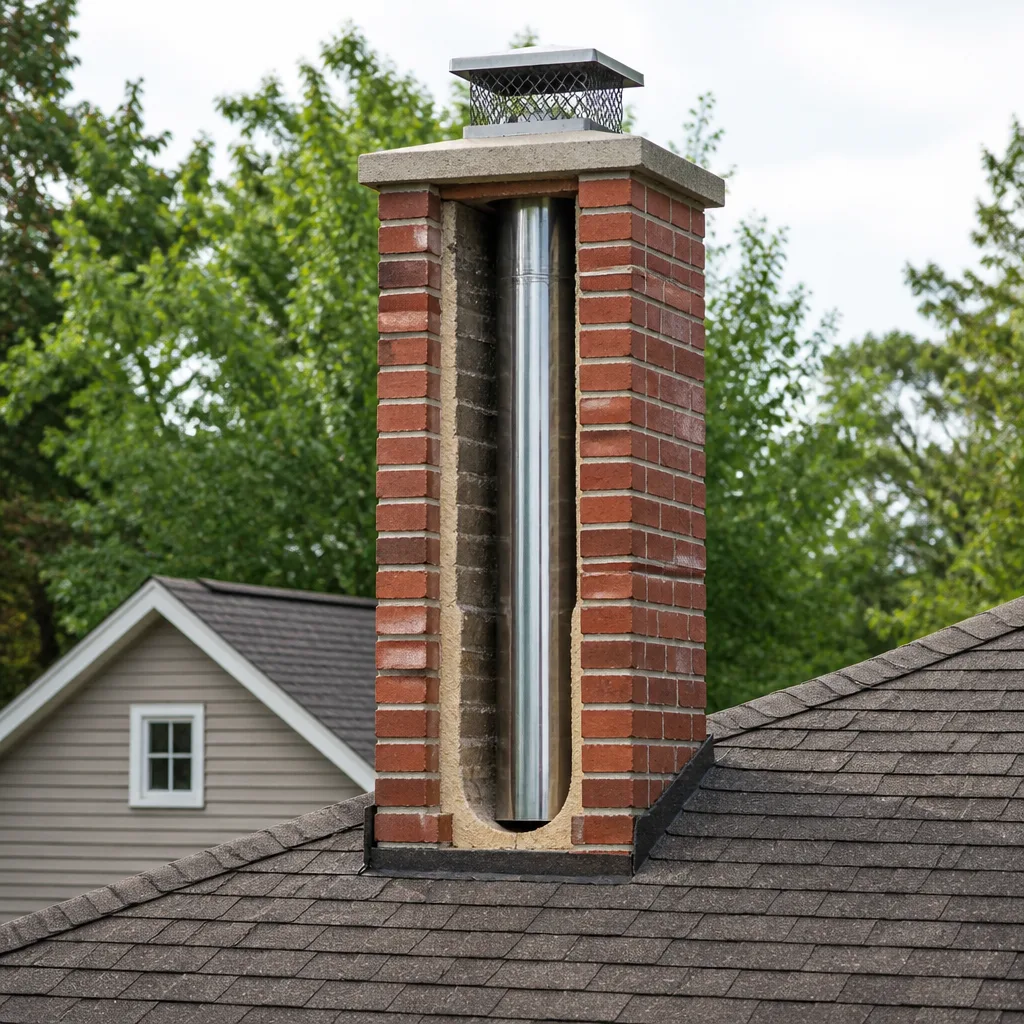 Flue relining
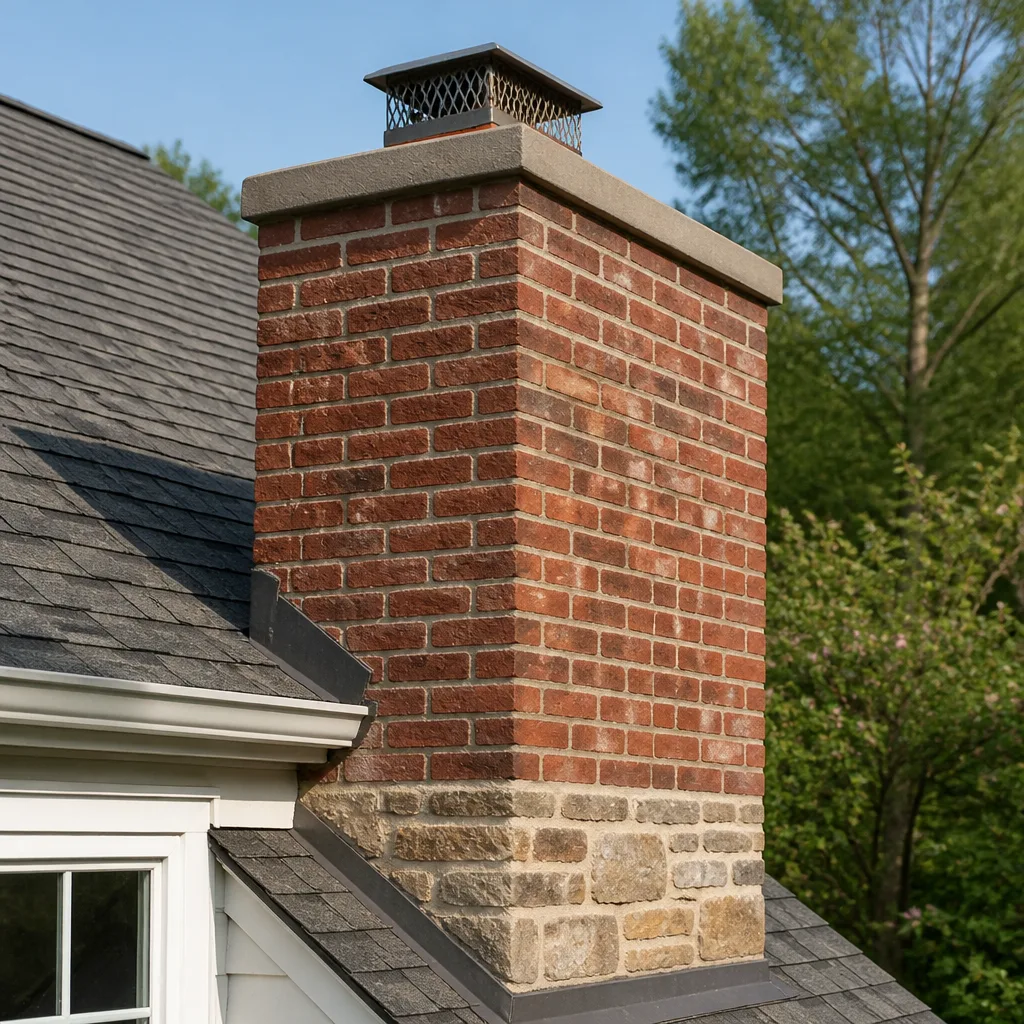 Masonry repair
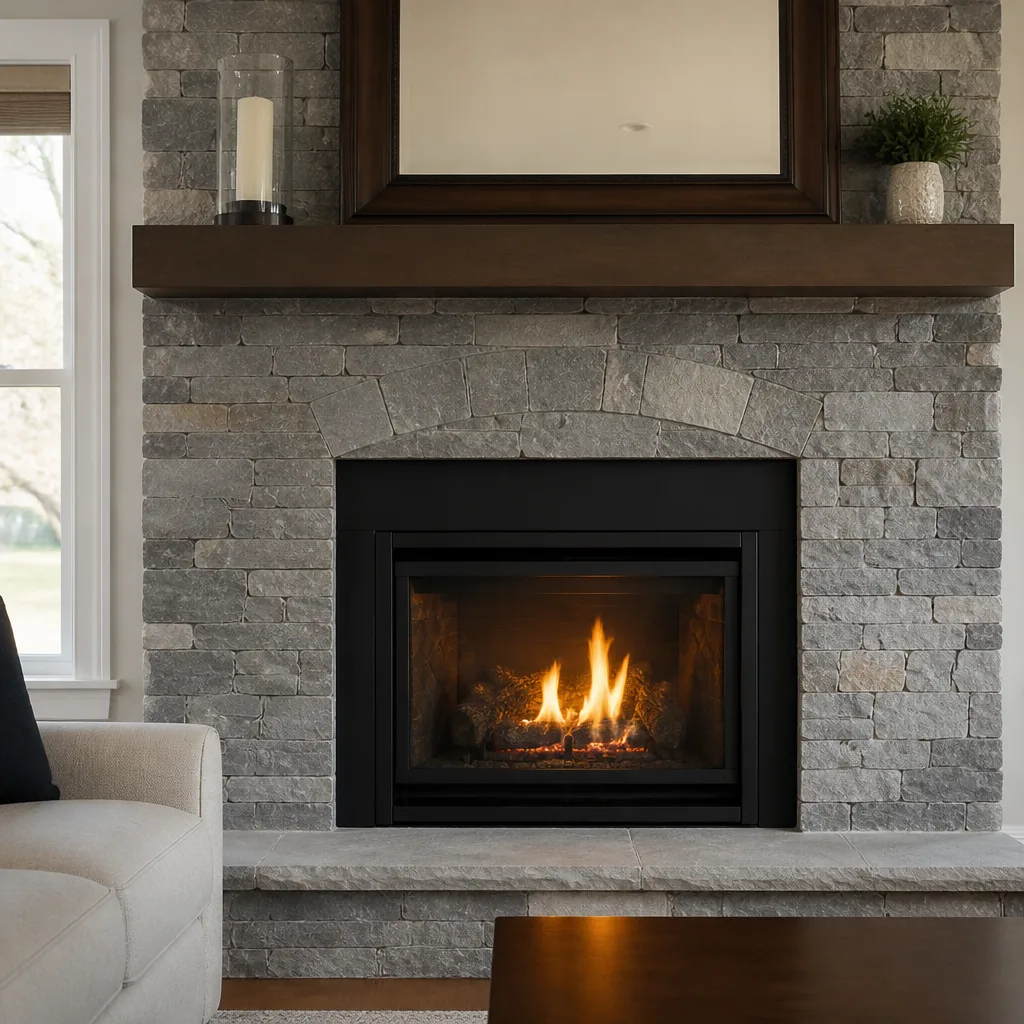 Gas fireplace service
Level 1 sweep and inspection to the NFPA 211 annual standard - flue, crown, cap, and flashing checked and photographed
Chimney sweep logs do not sweep chimneys. They loosen some creosote - which then falls where a brush and vacuum still have to collect it.
How to Hire a Chimney Cleaning Contractor in Hermitage: A Step-by-Step Guide
In Tennessee, there’s no state licensing requirement specifically for chimney sweeps. That single fact explains most of the confusion homeowners run into when they start calling around Hermitage for a cleaning. Anyone with a brush, a shop vac and a magnetic sign on the van can legally advertise chimney cleaning, and plenty of them do. Pressure-washing companies add it to the service list. Handymen pick it up between drywall jobs. Some are careful and some aren’t, and the difference rarely shows up in a phone quote.
The uncomfortable part is that a bad sweep can look identical to a good one on the day of the visit. The fire still lights, the living room stays clean, the bill gets paid. What separates the two is what happened up on the flue and inside it, and whether anyone documented it. This guide walks through the vetting process we’d want a family member to follow: what credentials actually mean, which red flags predict trouble, what a written estimate has to contain so bids can be compared line by line, and how to check insurance before anyone climbs onto your roof in Hermitage.
Quick Answer
To hire a chimney cleaning contractor in Hermitage, verify the company’s CSIA certification through the Chimney Safety Institute of America’s online lookup tool, confirm general liability and workers’ comp coverage in writing, and insist on a camera inspection of the flue before any work is quoted. A legitimate sweep inspects first, gives you a written scope covering liner condition, cleaning method, and products used, then recommends repairs only from what the camera showed. Skip anyone who quotes over the phone without looking, won’t put the scope in writing, or pushes a liner replacement before the inspection is finished.
Styles & brands we work with
- Sweep & inspection
- Caps & crowns
- Flue relining
- Masonry repair
- Gas fireplace service
Table of Contents
- Why There’s No Chimney License in Tennessee, and What to Verify Instead
- What CSIA Certification Actually Means (and How to Check It)
- What a Legitimate Pre-Service Inspection Looks Like
- Red Flags That Should End the Conversation
- What a Written Estimate Must Include
- Insurance Questions to Ask, and What the Answers Should Be
- Ten Questions to Ask Every Contractor Before Booking
- Hermitage-Specific Things to Know Before You Book
Why There’s No Chimney License in Tennessee, and What to Verify Instead
Tennessee does not issue a chimney sweep license. There’s no state exam, no registry, no credential card that proves someone is qualified to clean or evaluate a flue. On paper, that means the homeowner carries the vetting job that a licensing board would normally do. It’s the same reason a driveway pressure-washing outfit can print “chimney sweep” on a flyer and drop it in a mailbox in Hermitage without breaking any rule.
What fills the gap is voluntary credentialing from trade organizations, plus standard business coverage. Two credentials matter most:
- CSIA Certified Chimney Sweep. Issued by the Chimney Safety Institute of America. Requires passing a proctored exam, and the certification has to be renewed, which means the holder is retested. It covers chimney fundamentals, venting, codes, and inspection basics.
- NFI certification. Issued by the National Fireplace Institute. This one is product-specific: gas, wood, or pellet appliances. A contractor certified in wood shouldn’t be signing off on a gas appliance and vice versa. If your home has a gas insert, ask which NFI category applies.
Neither credential is legally required in Tennessee. But a contractor who has gone to the trouble of earning and renewing one has made a decision about how they want to work. That decision is what you’re evaluating. A sweep with no credential might still be careful; you just have no third party telling you so, and you’ll have to lean harder on the rest of the checks in this guide.
What to verify instead of a state license: CSIA or NFI credential status, general liability insurance, workers’ compensation, and a documented inspection process. All four are checkable before the first appointment, which is the point. For routine service, our chimney sweep page outlines what a standard visit covers.
What CSIA Certification Actually Means (and How to Check It)
CSIA certification is the closest thing the chimney trade has to a professional standard, and it’s the single most useful credential to look for in Hermitage. The exam isn’t a marketing certificate you buy after a weekend class. It covers chimney and venting construction, how different fuels vent, clearances to combustibles, the codes that govern residential chimneys, and how to perform a Level 1, Level 2, and Level 3 inspection. Passing it requires knowing how a chimney is supposed to work before you’re asked to say whether one does.
The certification also expires. To renew, the sweep has to either retest or take continuing education, which pushes them to stay current as codes and venting products change. That renewal requirement is why the credential is worth asking about years after the fact.
Verifying is straightforward:
- Go to the Chimney Safety Institute of America’s website and open the certification lookup.
- Search by the company name, or by the individual technician’s name if one was given.
- Check that the certification is listed as current, not expired.
- If the technician’s name isn’t the one that comes up, ask which crew member holds the credential and whether that person will be at your house.
One nuance worth knowing: CSIA certifies individuals, not companies. A company can honestly say “CSIA certified” on its van when one technician holds the credential and the others don’t. Ask directly who on the crew is certified and whether that person is doing the inspection. The answer tells you more than the decal does.
NFI works the same way, with a narrower focus on the appliance itself. If you have a gas fireplace insert, an NFI Gas specialist has been tested on gas appliance venting, combustion, and safe operation. That’s a different body of knowledge from wood chimney sweeping, and both are useful to have on the job. For service on the appliance side, see our fireplace repair page.
What a Legitimate Pre-Service Inspection Looks Like
Cleaning without inspecting is guesswork. A sweep who arrives, runs a brush, and leaves has no idea what shape your flue was in before the brush went up, and neither do you. The inspection is the part that turns a cleaning into useful information, and it should happen before anyone quotes repairs.
Here’s what a real pre-service inspection involves:
- A visual check of the firebox and damper. Looking for cracked firebrick, deteriorated mortar joints, a damper that won’t seat, and signs of moisture.
- A camera inspection of the flue. A camera on a rod runs the length of the flue so the technician can see liner condition, gaps, spalling, creosote buildup, and whether a liner is present at all. This is the piece homeowners should be shown, in real time where possible.
- An exterior check. Cap presence and condition, crown cracks, flashing at the roofline, and the state of the chimney masonry above the roof.
- Documentation of findings. A written or photographed record of what was found, what shape it’s in, and what, if anything, it means.
That last item is the one that gets skipped. Ask for the findings in written form, with photos if the camera system supports it. If a technician tells you the flue has “some deterioration” and can’t tell you where, how much, or what it looks like, the inspection didn’t produce anything you can use to make a decision.
On a wood-burning fireplace, the inspection is also the point where the real risk gets assessed. Creosote accumulates in stages, and the hardened, glazed form is the one that fuels chimney fires. A camera view up the flue is how a technician determines which stage they’re looking at. This is not work to attempt from a stepladder with a flashlight; the flue is a confined space, the roof is a fall risk, and the information you need is not visible from below. A trained professional with proper equipment is the right call.
Red Flags That Should End the Conversation
Most bad chimney experiences follow the same handful of patterns. Knowing them in advance is most of the defense, because each one shows up before money changes hands.
- A firm price over the phone, before anyone has looked. Chimney work is priced on condition. A quote given without a camera inspection is either a guess or a lowball designed to get someone in the door. Either way, it isn’t information.
- No written scope of work. Verbal promises get renegotiated on the roof. If the company won’t put the scope on paper before the visit, you have nothing to hold the work to.
- Cash-only pricing. Cash-only is a signal about how the business is set up. It usually means no card processing, no invoice trail, and no verifiable business records. You want a paper trail for work on your flue.
- Repair recommendations before the inspection is finished. If a tech arrives for a cleaning and starts pitching a liner replacement in the first five minutes, before the camera has been up the flue, the recommendation came in the truck with them.
- No photos or camera evidence. Recommendations should be backed by images you can see. Ask to look at the screen. A contractor with nothing to show has nothing to stand on.
- Pressure to decide on the spot. A real problem in your chimney will still be a real problem next week. Urgency that comes with a same-visit offer is a sales technique, not a safety finding.
- No verifiable business identity. No physical address, no listed insurance, no company name on the invoice beyond a first name and a phone number. In a market with no licensing, the paper trail is part of the credential.
The contrast matters. A contractor doing it right will tell you what they found, show you the camera view, and let you sit with the recommendation. They’ll also tell you when work can wait. A chimney that needs routine sweeping next fall doesn’t need a repair this week, and a contractor who says so has just told you more about their standards than the ones pushing a same-day fix.
What a Written Estimate Must Include
A written estimate is only useful if it’s specific enough to compare against another one. So many chimney quotes in Hermitage come in as a single number with a one-line description that apples-to-apples comparison is impossible. The fix is to demand detail up front, and to compare bids on content rather than total.
A proper written estimate should state:
- The cleaning method. Brush type, whether a rotary tool is used, what containment or drop cloths are involved, and whether the appliance has to be disconnected.
- The liner type and size. If a liner install is proposed, the estimate should name the material, size, and the specific product. Flexible stainless liners vary in construction and warranty by brand. A quote that just says “liner” isn’t a quote.
- The products to be used. A contractor who names the material is accountable to it. The repair systems and caps used on a job should appear by name in the scope.
- The scope of any repair. What exactly is being repaired, where, and how. A crown rebuild and a crown seal are two very different jobs.
- What’s explicitly excluded. If masonry tuckpointing above the roofline, flashing work, or a firebox rebuild is not included, the estimate should say so. Exclusions are where surprise charges live.
- The final price basis. The written estimate sets the price for the work described. If the scope changes once the work starts, that change should be re-quoted in writing before it happens.
Two bids that both say “chimney repair, $1,800” are not comparable. Two bids that name the liner product, the crown product, the scope of work, and the exclusions can actually be weighed against each other. The extra detail is what you’re paying for in the paperwork stage.
When the recommendation is a liner, pay attention to what’s being proposed and why. A failed or absent liner is one of the most serious issues a flue can have, and a flexible stainless liner is the standard fix. Some flues are candidates for a ceramic restoration system instead, which rebuilds the liner surface from the inside. That’s a repair option, not a replacement, and it’s worth asking whether it applies to your flue before committing to the larger job. Our chimney cap & crown page covers the exterior side of the scope, which is often the missing line item on a liner bid.
Insurance Questions to Ask, and What the Answers Should Be
Chimney work happens on a roof and inside a flue, and both carry real risk. Before anyone climbs up, confirm the company carries general liability coverage and workers’ compensation for the crew. If a technician falls off your roof without workers’ comp, the exposure can end up pointing back at the homeowner, and that’s a conversation nobody wants after an injury.
Ask these questions directly, and get the answers in writing:
- Do you carry general liability insurance? Ask for a certificate of insurance naming the coverage before the visit. Responsible contractors expect this question and answer it without friction.
- Does the crew carry workers’ compensation? An independent sweep running solo may instead carry their own health coverage and operate as a sole proprietor, which is a different situation than a crew. Ask which applies. If a crew shows up and only the owner is covered, that’s a gap.
- What’s the coverage limit? Ask for the liability limit on the policy. A homeowner can set their own threshold, but coverage should be well above the value of what’s being worked on, since the exposure includes the roof, the chimney, and the interior of the home.
- Will the technician be an employee or a subcontractor? It matters for the workers’ comp question above, and it matters for accountability. A company that subcontracts the work to a stranger has less control over who actually shows up.
In our experience, the contractors worth hiring have a certificate ready to send and answer follow-up questions without delay. The ones who get defensive about insurance questions have told you something. Tennessee has no license requirement that would have screened these things for you, so the certificate is the screening. Ask every time.
Ten Questions to Ask Every Contractor Before Booking
This is the phone-call script. Ask the same questions of every contractor and compare the answers side by side. It takes ten minutes and it’s the best use of your time in the entire process.
- Are you CSIA certified, and is the certification current? Can you tell me which technician holds it? (Verify the answer through CSIA’s lookup, don’t just accept it.)
- What NFI certifications does your crew hold, if any?
- Does your inspection include a camera view of the flue, and will I see the footage?
- Can you send me a written estimate with the scope, products, and exclusions before the visit?
- Are you insured? Can you email the certificate of insurance?
- Does the crew carry workers’ compensation?
- Do you install liners, caps, and crowns, or only clean? If only clean, who do you recommend for repairs?
- Do you name the products you install, and can you provide the manufacturer documentation for them?
- If you find a problem during the inspection, do you recommend the repair and quote it in writing, or does the work start the same visit?
- If nothing’s wrong, are you willing to tell me the work can wait until next season?
The answers to the last two are where honest contractors separate themselves. A contractor who says “we quote in writing and you decide later” is worth listening to. A contractor who says “we handle it while we’re there” wants the decision made while you’re standing under their ladder. Same for question ten. A sweep who can say “your flue is fine, see you next year” is telling you the recommendation process is real.
This matters most on the appliance and repair side. Fireplace repairs, crown work, and chimney structural repair run a wider scope than sweeping, and the same vetting applies. Our main page at Chimney Sweep Hermitage lays out the full range of service, and it’s worth reading before you call so you know what you’re comparing.
Hermitage-Specific Things to Know Before You Book
Hermitage sits east of Nashville in Davidson County, and the housing stock makes a difference in what a chimney inspection actually turns up. The area has a mix of older homes with original masonry chimneys and newer construction with factory-built fireplaces and prefab inserts. Those two categories fail in different ways and need different contractors to evaluate them.
Older masonry chimneys around Hermitage are the ones most likely to show crown cracks, mortar joint deterioration above the roofline, and flues that were originally unlined or lined with material approaching end of life. Those issues are exterior and structural, and they need to be on the report, not just the firebox side. Prefab fireplaces in newer homes tend to have their own failure points: a cracked or missing flue liner inside the metal chase, and a cap that’s rusted out.
Climate plays a role too. Middle Tennessee’s humid summers and freeze-thaw winters are hard on masonry. Water gets into hairline cracks in the crown, expands when it freezes, and widens the crack over successive seasons. That’s a slow process, but it doesn’t reverse itself. A chimney cap that’s damaged or missing accelerates it by letting rain straight down the flue. If the inspection finds moisture damage, the cap and crown are usually part of the fix, and our chimney cap & crown work covers that side of it.
Heating season here runs from late fall through early spring, which means the months when creosote accumulates are the same months when the fireplace is being used. Booking a cleaning before the first cold snap puts you ahead of the backlog, and it gives you the inspection findings in time to schedule any repair before you’re depending on the fireplace. Our technicians have up to 9 years of experience evaluating flues in homes like these, including the prefab and masonry mix around Hermitage.
Common Mistakes to Avoid
- Booking on price alone. In a market with no chimney licensing, the lowest quote is often the one that skipped insurance, skipped the camera, or skipped both. The cleaning is not the expensive part of a chimney visit; getting the right information about your flue is.
- Accepting a phone quote as the price. A number given before anyone sees the flue is a placeholder. The written estimate, after an inspection, is the price.
- Skipping the camera. If the technician doesn’t run a camera up the flue, you have no idea what’s in there. A brush removes what’s loose; only a camera tells you about the liner.
- Approving a liner replacement without seeing the reason. Ask for a photo of the failure. A liner recommendation should come with visual proof. If it doesn’t, push back.
- Overlooking the exterior. The crown, cap, and flashing are part of the chimney system and are frequently the source of the water damage that shows up inside the flue. The inspection should cover the roof side.
- Assuming the technician is insured because the company says “licensed.” There’s no Tennessee chimney license to check, so the “licensed” claim doesn’t hold much weight here. Ask for the certificate.
- Using a generalist for the repair. A handyman can clean a firebox. Repairing a crown, rebuilding the chimney structure, or restoring a liner are trade-specialist work, and the products and documentation need to come from someone who works with them regularly.
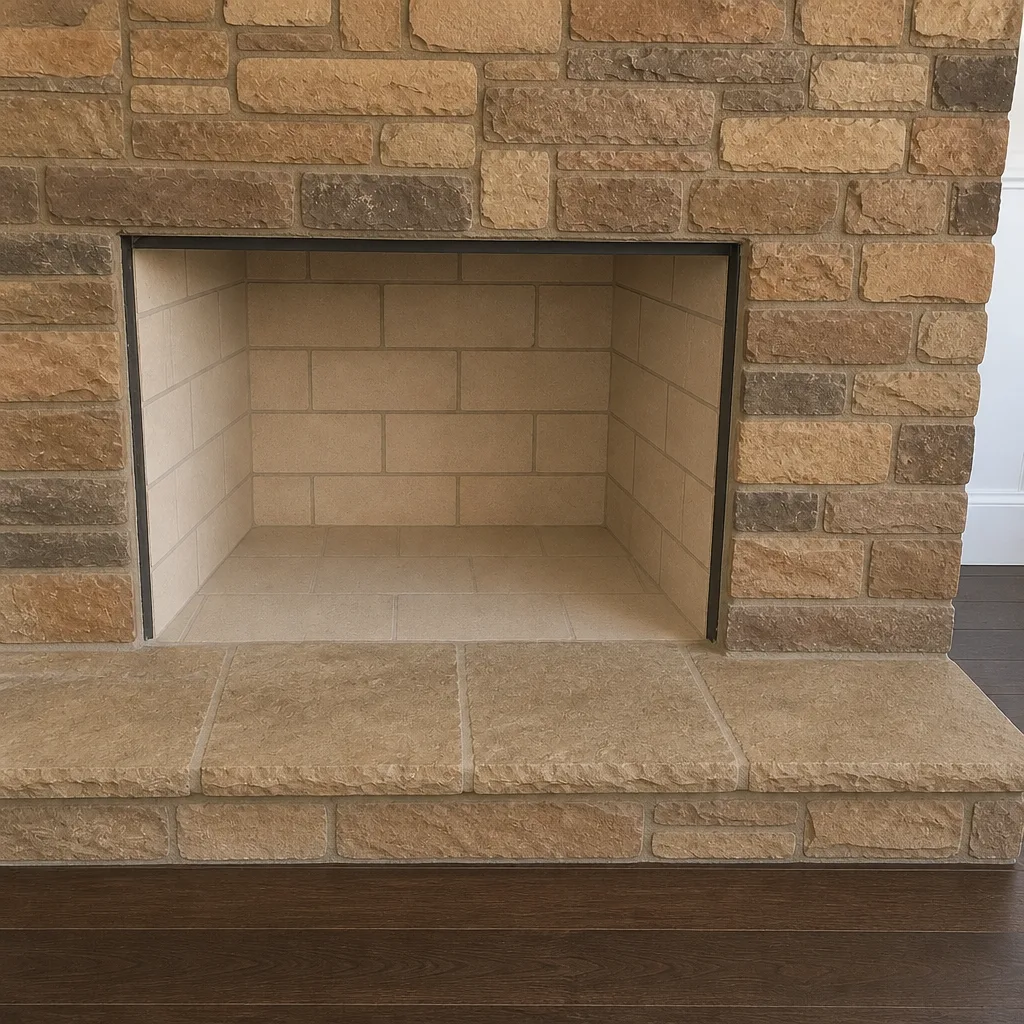
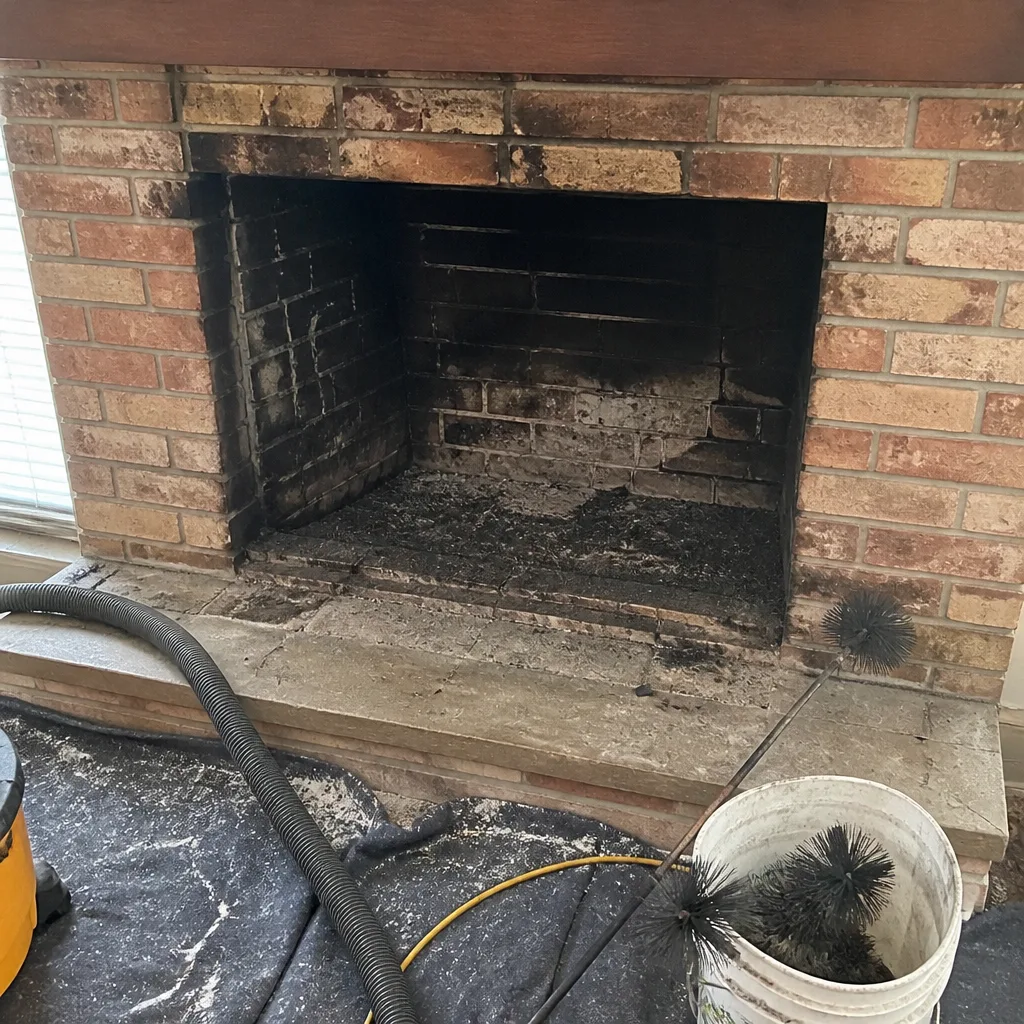
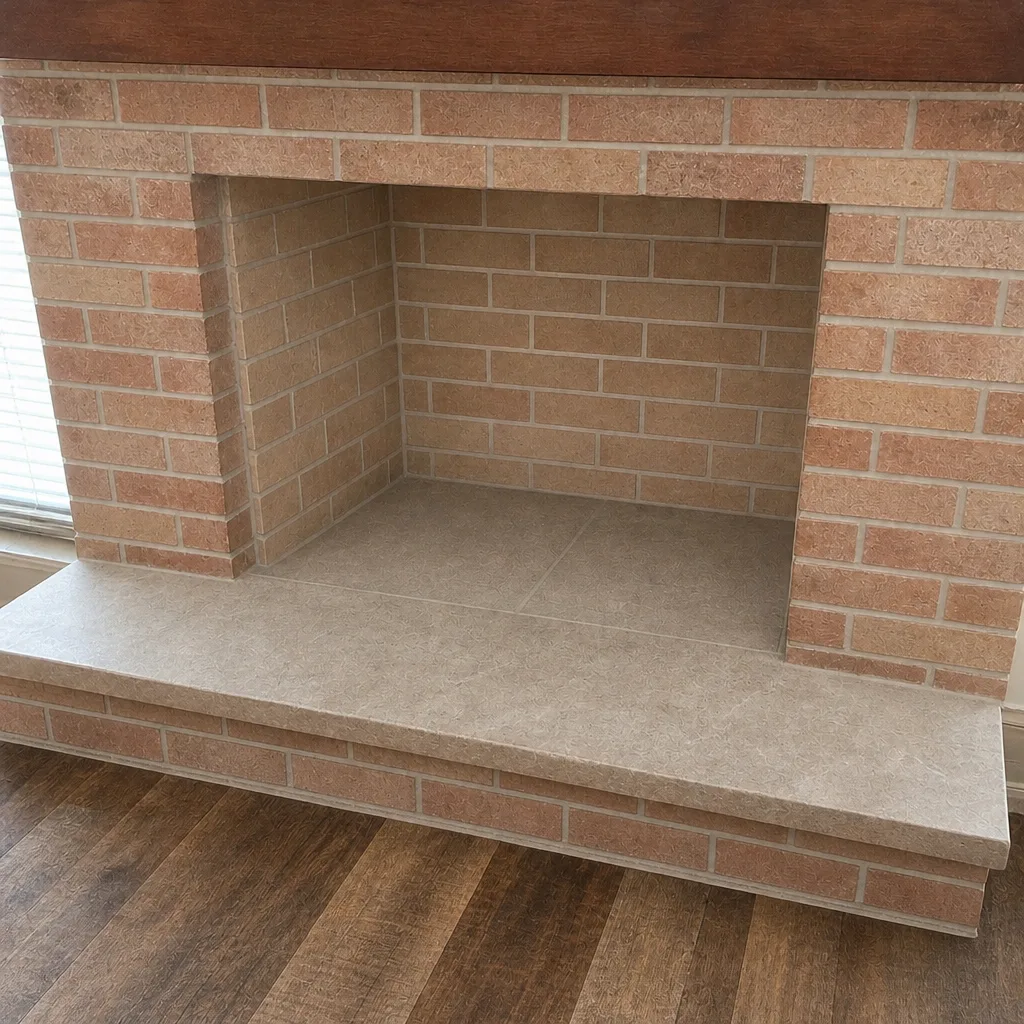
See the difference
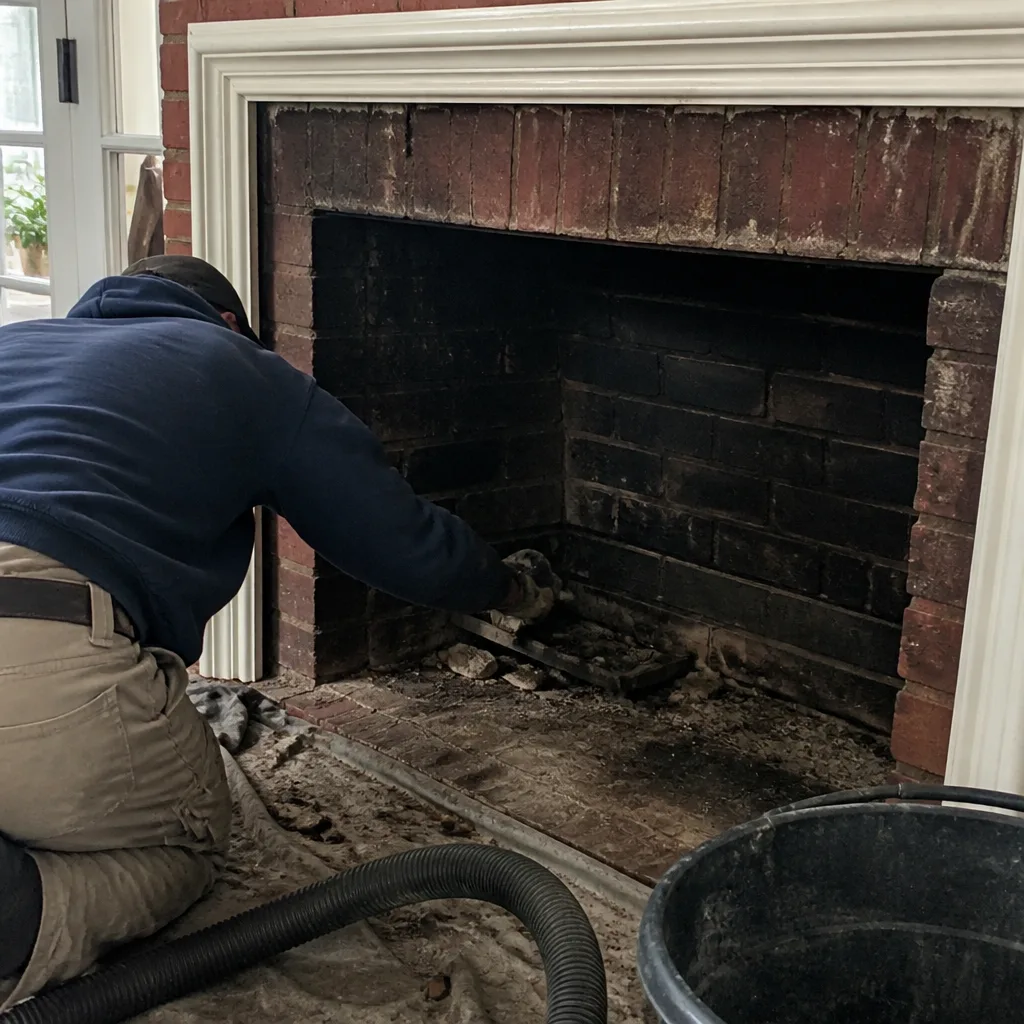 Before
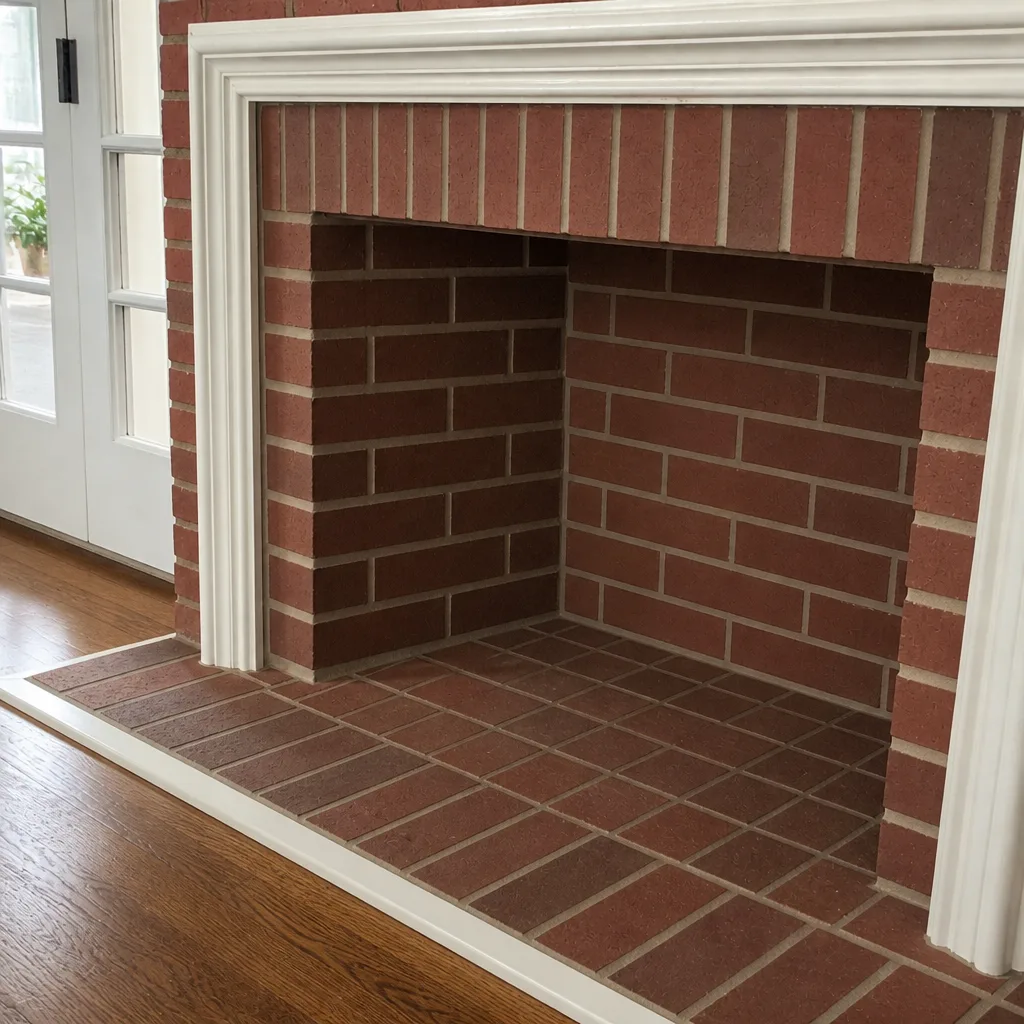 After
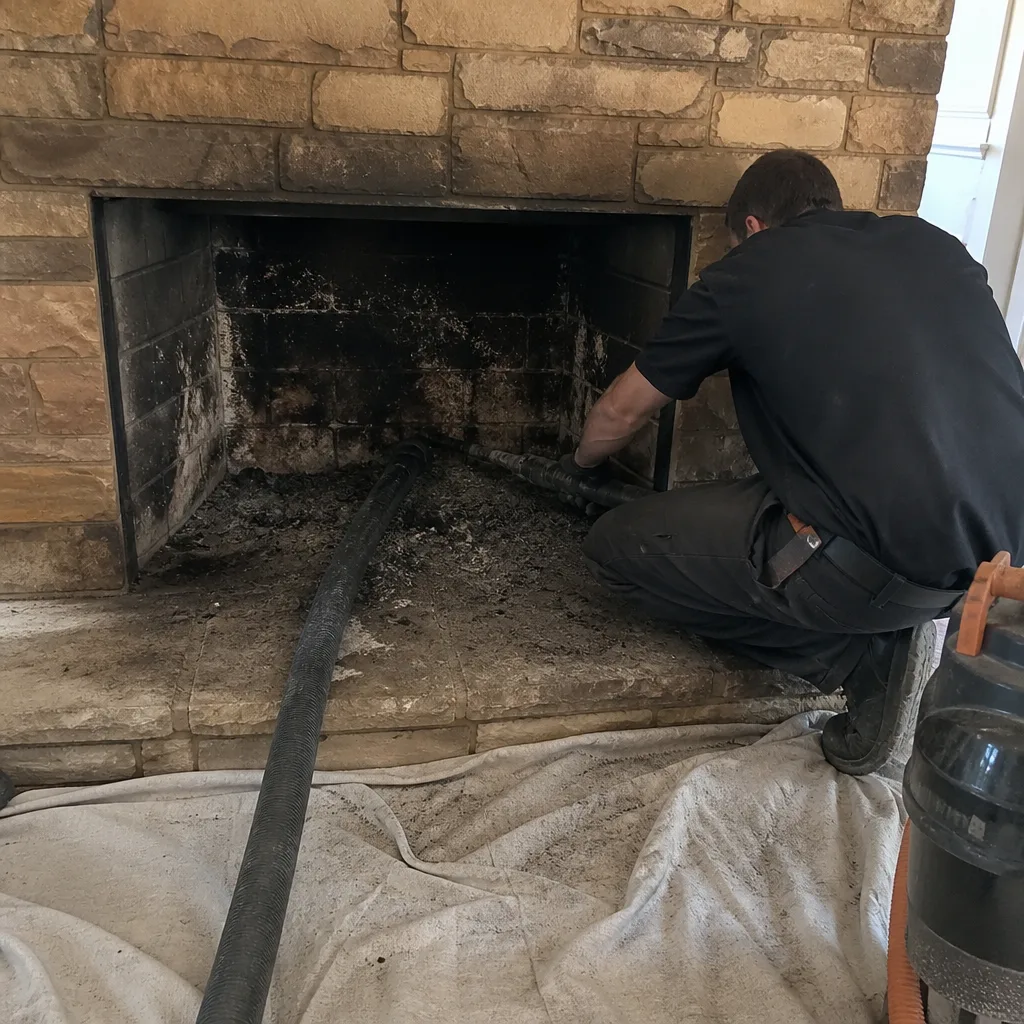 Before
 After
 Before
 After
When to Call a Professional
Some situations call for a professional on the phone today. If you’re smelling a strong creosote odor that gets worse on humid days, that’s typically a sign of buildup the firebox side can’t fix. If smoke spills into the room when the fire is burning, that’s a draft or blockage issue, and it’s worth having someone look before the next fire. If you’ve never had the chimney inspected since moving in, that’s an easy reason to book a standalone inspection. If a cap is missing or the crown has visible cracks, water intrusion is underway. If the firebox has cracked firebrick or a damper that won’t close, the appliance needs eyes on it before the next season. And if you’ve had a chimney fire that went out on its own, get the flue inspected before lighting another fire. Chimney Sweep Hermitage offers free estimates in Hermitage. Call (877) 792-7308. We answer 24/7, with fast dispatch from 7am to 7pm, Sunday through Friday.
Frequently Asked Questions
Chimney cleaning in Hermitage is priced per job by a written estimate after an inspection, and the final cost depends on the flue’s condition, the appliance type, and access. We don’t quote a firm price over the phone for the reasons this guide describes: without a camera view of the flue, any number is a guess. Call (877) 792-7308 for an exact quote. Estimates are free.
Only if the camera inspection shows the existing liner has failed, deteriorated past repair, or is absent entirely. That’s a determination made from evidence, not from the fact that you called for a cleaning. When a liner is genuinely needed, a flexible stainless liner is the standard fix, and for some flues a ceramic restoration system can repair the existing liner surface instead of replacing it outright. Ask for the camera images and get the recommendation in writing. Call (877) 792-7308 for an exact quote. Estimates are free.
Most wood-burning chimneys should be swept and inspected once a year, and more often if the fireplace sees heavy use. Gas appliances are typically inspected annually as well, since the failure modes are different but the need for a check is the same. The pattern that matters in Hermitage is booking before heating season, so an inspection finding can be acted on before you need the fireplace. Call (877) 792-7308 for an exact quote. Estimates are free.
Skipping a sweep lets creosote accumulate past the stage a brush can safely remove, and hardened creosote is the fuel that turns a flue fire into a chimney fire. The other risk is the one you can’t see: a cracked liner or blocked flue that lets combustion gases into the home instead of venting them up and out. Neither is a scare tactic, it’s just what annual inspection exists to catch. Call (877) 792-7308 for an exact quote. Estimates are free.
It’s not required, but it’s useful. Being home lets you see the camera inspection, review the findings with the technician, and ask about anything the report shows. If you can’t be there, ask that the findings and photos be sent to you in writing before any repair is scheduled, so the decision stays yours. Call (877) 792-7308 for an exact quote. Estimates are free.
No. Tennessee doesn’t require chimney sweeps to be licensed or certified, so CSIA is a voluntary credential. That’s precisely why it’s worth checking: a sweep who holds and renews it has chosen to meet an outside standard, and you can verify it through CSIA’s lookup tool before booking. Verify the specific technician’s status, not just the company’s marketing claim. Call (877) 792-7308 for an exact quote. Estimates are free.
The Bottom Line
Hiring a chimney contractor in Hermitage comes down to verifying what no state license verifies for you. Check the CSIA credential through the lookup tool, get the certificate of insurance in writing, insist on a camera inspection before any work is quoted, and demand a written estimate that names the liner, the cleaning method, the products, and the exclusions. Then compare bids on content, not on total. A contractor who inspects first, shows you the footage, puts it in writing, and tells you when work can wait is the one worth hiring. Everything else is a phone quote dressed up as a service.
We install products from DuraFlex, HeatShield, Gelco, Olympia Chimney, Famco, and Copperfield, and we inspect before we recommend. If you’re ready to book in Hermitage, call (877) 792-7308 for a free estimate. We answer 24/7, with fast dispatch from 7am to 7pm, Sunday through Friday.
Written by the team at Chimney Sweep Hermitage.