
Last updated November 24, 2026
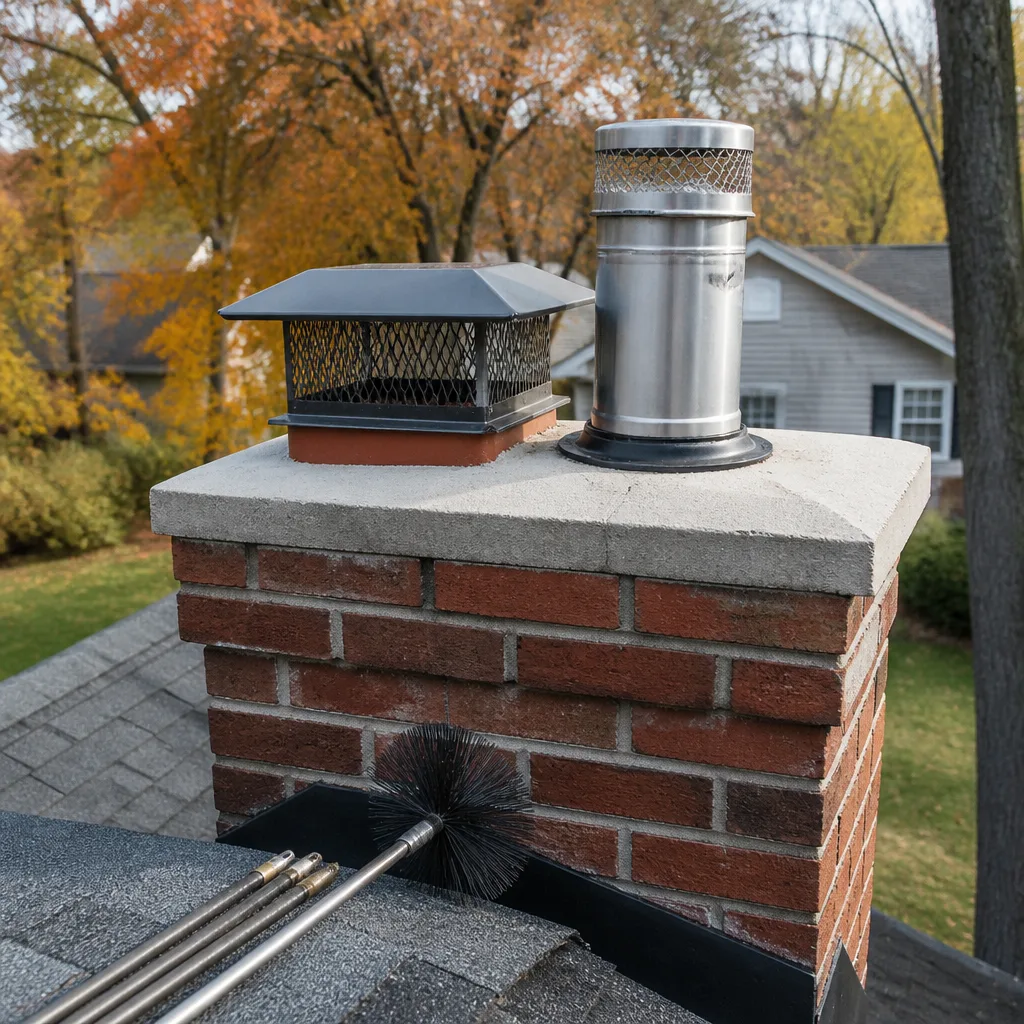 Sweep & inspection
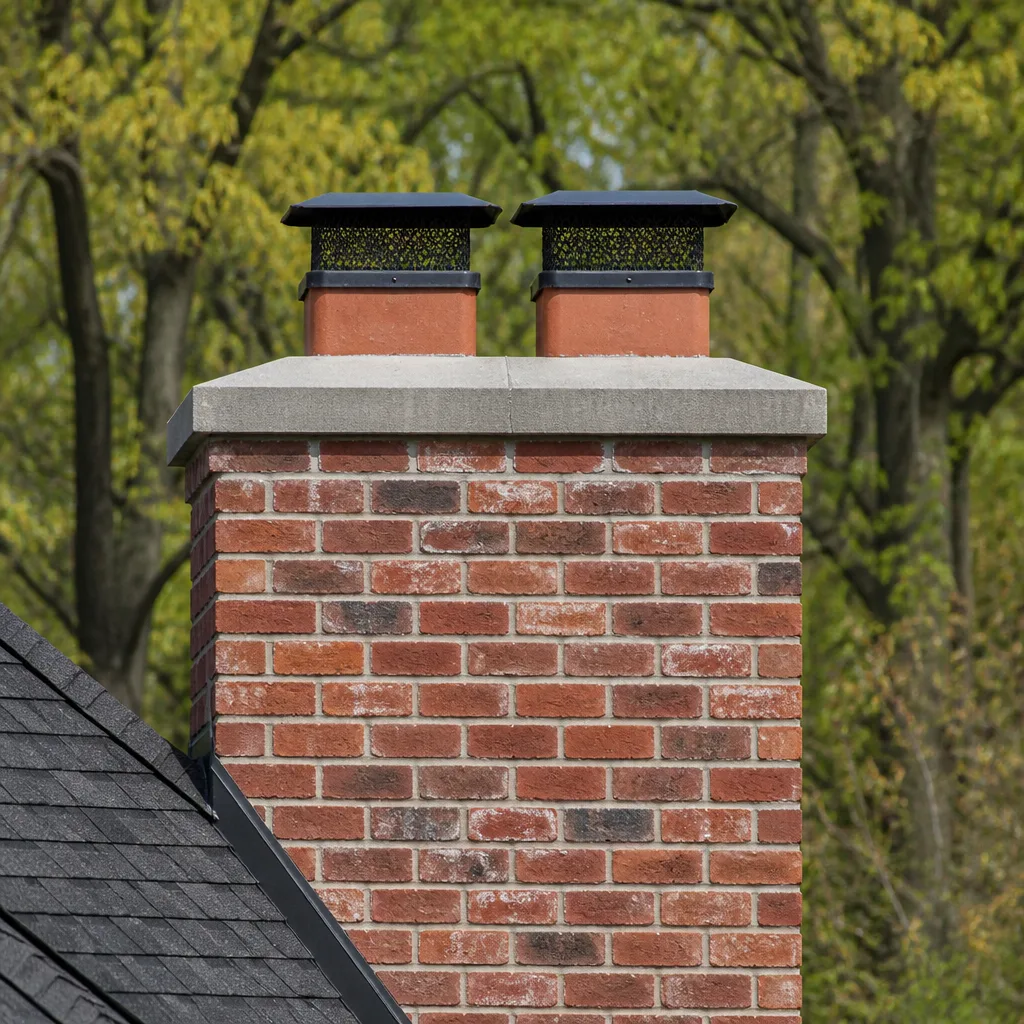 Caps & crowns
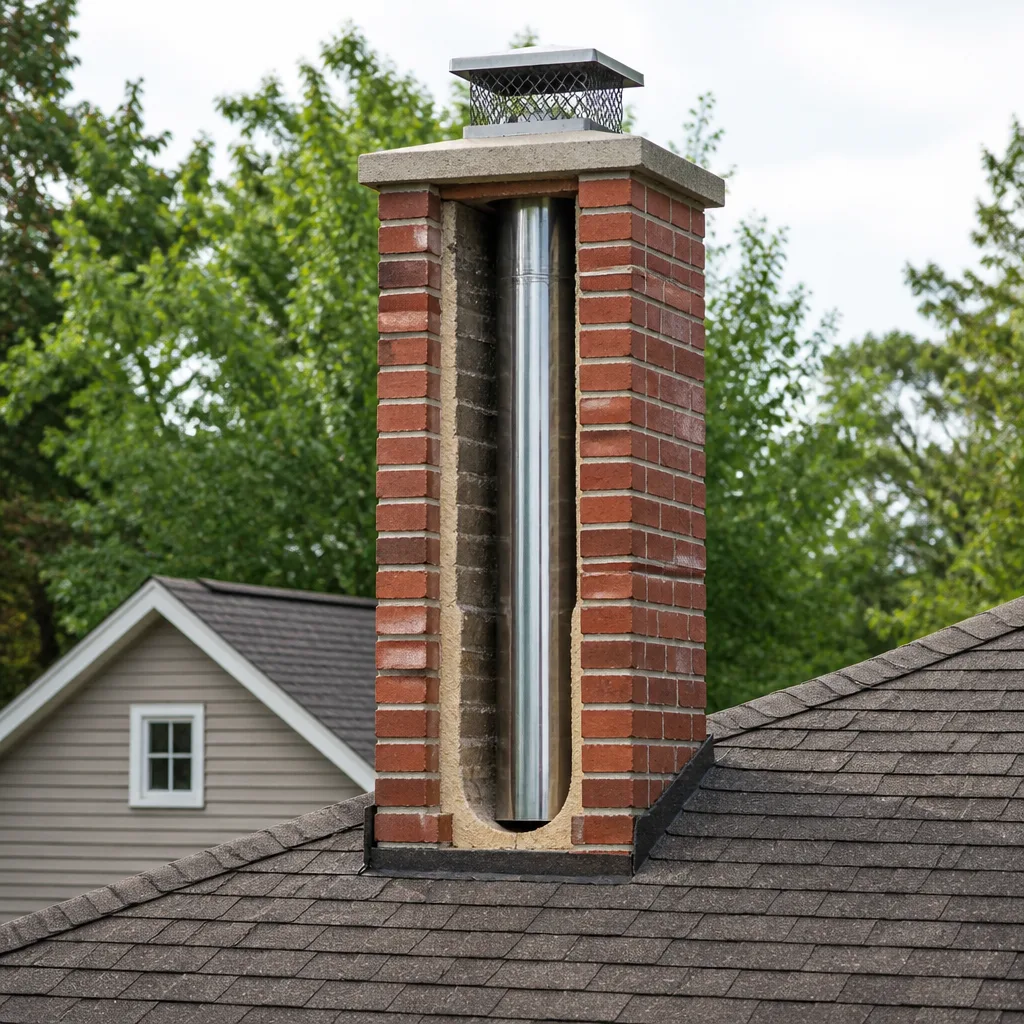 Flue relining
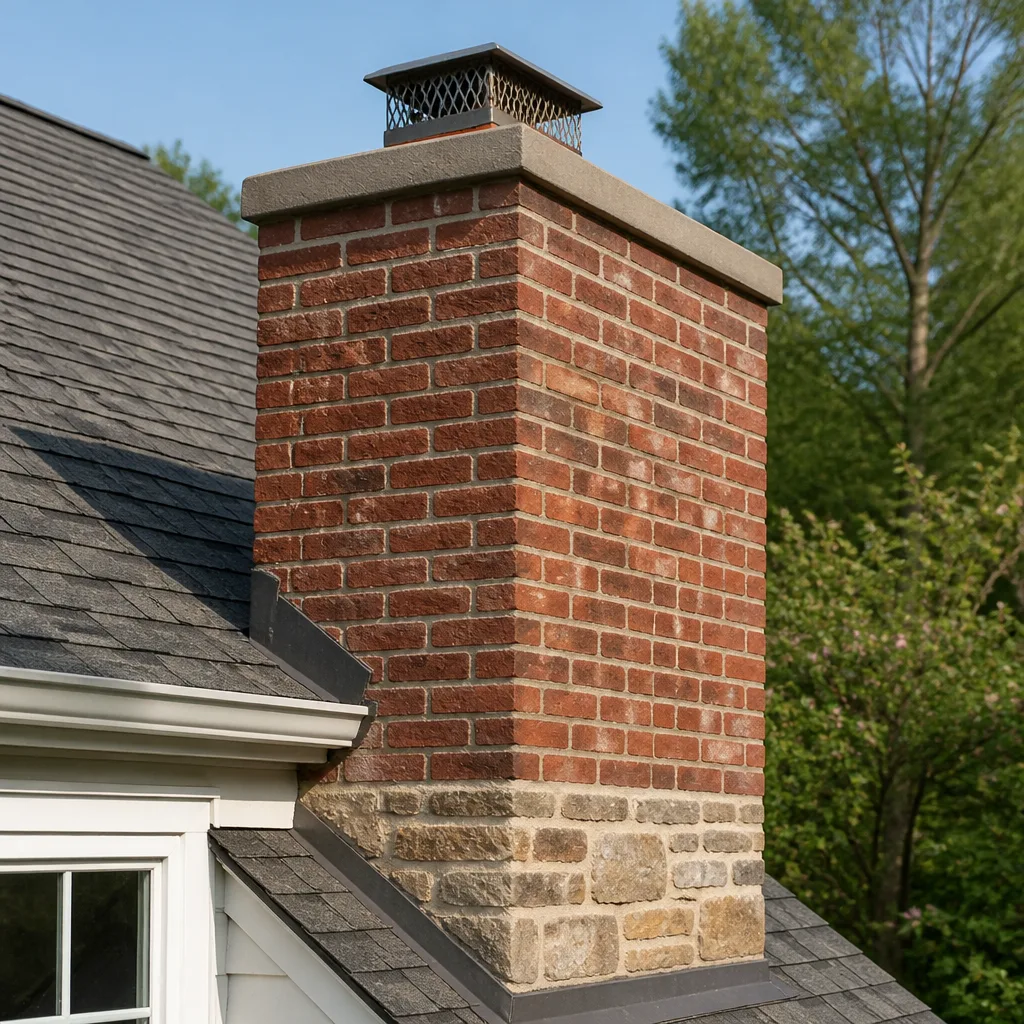 Masonry repair
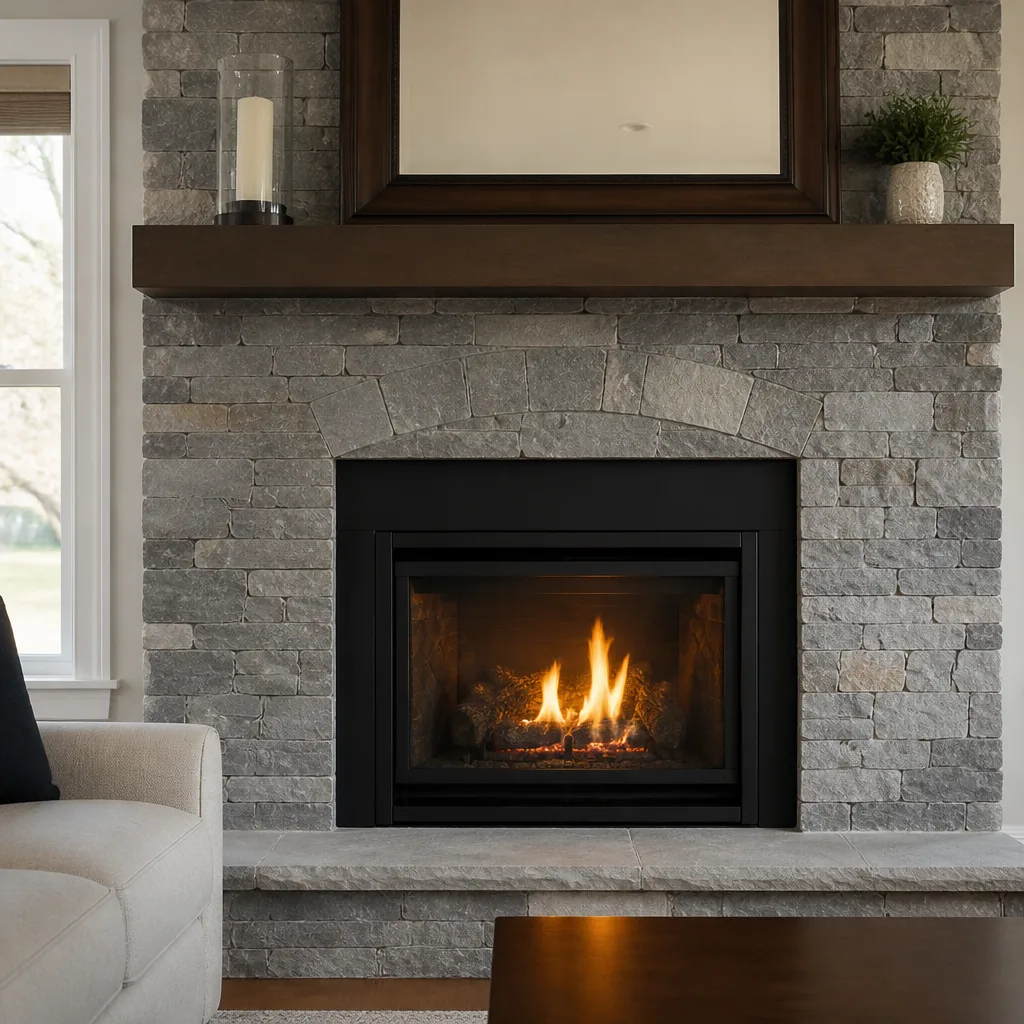 Gas fireplace service
Level 1 sweep and inspection to the NFPA 211 annual standard - flue, crown, cap, and flashing checked and photographed
Chimney sweep logs do not sweep chimneys. They loosen some creosote - which then falls where a brush and vacuum still have to collect it.
Seasonal Chimney Cleaning Care for Hermitage: Year-Round Homeowner’s Guide
The chimney problems most Hermitage homeowners discover in October were created in July. That’s the counterintuitive part of chimney care that gets lost in all the fall-focused advice online: summer, not winter, is when most of the structural damage to a Hermitage chimney actually happens. Six weeks of 90-degree days with heavy Middle Tennessee humidity pushes moisture deep into masonry and gives mold everything it needs to grow inside a flue. By the time you light the first fire of the season, the damage is already set. This guide walks you through the full calendar year for a Hermitage chimney, month by month, and shows you what to do in each season so that October never surprises you.
Quick Answer
Chimney care in Hermitage follows a four-season cycle, not a once-a-year sweep. Spring is for evicting nesting birds and squirrels and checking the cap and crown after storm season. Summer is for waterproofing masonry and clearing moisture before it becomes structural damage. Fall is for a sweep and inspection in September, before the November demand spike. Winter is for watching draft performance and catching freeze-thaw cracks before they widen. A chimney serviced on all four of these rhythms lasts decades longer than one swept in October and forgotten.
Styles & brands we work with
- Sweep & inspection
- Caps & crowns
- Flue relining
- Masonry repair
- Gas fireplace service
Table of Contents
- Why a Hermitage Chimney Ages Differently Than the Generic Advice Suggests
- Spring in Hermitage: Nesting, Storms, and the Cap-and-Crown Check
- Summer in Hermitage: The Season That Does the Most Damage
- Fall in Hermitage: Why September Beats November
- Winter in Hermitage: Draft, Freeze-Thaw, and Crack Progression
- The Hermitage Month-by-Month Chimney Calendar
- Water Repellent vs. Surface Sealant: What Actually Protects Masonry
- Common Mistakes to Avoid
- When to Call a Professional
Why a Hermitage Chimney Ages Differently Than the Generic Advice Suggests
Most chimney care advice on the internet was written for New England. It assumes a long, cold winter, a short, mild summer, and masonry that spends most of the year dry. Hermitage doesn’t get that. Middle Tennessee winters are short and cold enough to freeze, but our summers run long, hot, and humid enough that masonry absorbs enormous amounts of water before freeze season ever arrives. That combination is what makes a Hermitage chimney age differently than the same chimney in Vermont.
The mechanics matter. Brick and mortar are porous. When the relative humidity sits above 70 percent for weeks at a time, masonry wicks moisture in through capillary action and holds it. That moisture drives three distinct problems:
- Spalling. Water trapped inside brick expands on freezing and breaks the face of the brick off. Once spalling starts, it accelerates. A single bad winter can take a stack from “needs repointing” to “needs rebuilding.”
- Mold and efflorescence in the flue. A wet flue with no fire running through it grows things. Efflorescence (the white powdery stain on masonry) is a visible sign that moisture is migrating through the material; dark growth inside the flue is a sign the moisture is staying there.
- Crown and mortar-joint failure. The crown on top of your chimney is a mortar cap designed to shed water away from the stack. In Hermitage’s climate, a hairline crack in a crown can grow into a failed crown in one summer, and once the crown cracks, water runs straight down into the flue.
We’ve seen Hermitage chimneys that were perfectly clean inside but had crowns so cracked and masonry so waterlogged that the first hard freeze opened up real structural damage. The sweep wasn’t the problem. The calendar was. If you only service your chimney when you notice smoke or smell, you’re servicing the symptom, not the cause.
This is the case for a full-service approach to chimney care rather than a sweep-and-leave model. When we look at a Hermitage chimney, we look at it the way a roofer looks at a roof: as a weather envelope, not just a flue. That means we’re checking the crown, cap, flashing, masonry, and liner together, and recommending a repair only when we can show you what we see. For the routine side of that service, see our chimney sweep page.
Spring in Hermitage: Nesting, Storms, and the Cap-and-Crown Check
Spring is the season most Hermitage homeowners forget about entirely, and it’s the one that sets up two of the most common summer problems: bird and squirrel nests clogging the flue, and storm-cracked crowns that nobody noticed. Both are cheap to fix in April and expensive to fix in August.
Nesting: the clock starts ticking in March
Chimney swifts are migratory birds that return to Middle Tennessee from South America each spring. They build nests of twigs glued to the flue walls with saliva, and once they’re in, you cannot legally remove them until they leave in the fall. The same is true of most nesting birds under federal law. Squirrels don’t have the same legal protection, but they’re just as capable of clogging a flue and even more capable of chewing through a chimney cap screen to get in.
The fix for both is a properly fitted chimney cap with a full stainless screen, installed before nesting season. If you find yourself with a nest in May, the right step is a professional inspection to confirm whether the flue is blocked and whether the nest can be safely removed, not a homeowner on a ladder with a broom.
Storm season and the crown
Middle Tennessee’s spring storm season produces exactly the kind of wind and driving rain that cracks chimney crowns and loosens cap fasteners. A crown is the sloped concrete or mortar cap at the very top of the chimney that sheds water away from the flue. When it cracks, water runs straight down into the masonry and the flue below. Spring is the right time to check it, because the damage from a cracked crown gets worse every week it sits through a hot, wet summer.
If you’re patching or replacing a crown in Hermitage, this is where product choice matters. We install caps from the Gelco, Famco, and Olympia Chimney lines because they’re built to fit like a proper lid, with stainless screen that doesn’t rust out in two seasons. A generic hardware-store cap that fastens with hose clamps is an invitation for a squirrel to peel it back. When we install a crown, we slope it correctly and we use masonry materials designed for outdoor exposure. For the full scope of what a proper cap and crown install involves, see chimney cap & crown.
Spring action checklist
- Visually inspect the cap from the ground. If you can see gap, rust, or a missing screen, call for a professional inspection.
- Listen for scratching or fluttering in the flue on warm afternoons. That’s often a nest.
- Look for efflorescence (white powder) on the exterior masonry. It’s the first sign of moisture wicking through.
- If your home has a fireplace you haven’t used since February, book a spring inspection before summer takes hold.
Summer in Hermitage: The Season That Does the Most Damage
Here is the part of chimney care that almost no homeowner thinks about: summer in Hermitage is when most chimney damage happens. Between June and September, Middle Tennessee gets weeks of 90-degree days with humidity that sits at 70 percent and above. That environment loads masonry with water and gives the inside of the flue a warm, dark, wet place to grow things. By October, the damage is done.
Moisture intrusion
Brick and mortar absorb water through capillary action, and they hold it much longer than most people expect. A masonry chimney that absorbs a summer of humidity can be measurably wet going into fall. That wet masonry does two things that matter: it spalls on the first freeze, and it rusts the flue liner from the outside in. If your liner is a stainless steel system, moisture on the exterior side of the liner is exactly what causes it to fail early. If your liner is clay tile, moisture in the mortar joints between tiles is what breaks them loose.
Mold and flue odor
A damp flue with no fire is a perfect growth environment. You may not see mold directly, but you may smell it. That musty, damp basement smell coming from a fireplace in July is often coming from the flue. A summer sweep clears the bed of creosote and dust the mold is growing on, and waterproofing the exterior masonry removes the water source that’s feeding it.
What professionals do in summer that homeowners miss
- Waterproofing. A breathable masonry water repellent is applied to the exterior of the stack. It penetrates the brick, not just coats it, and it blocks liquid water while still allowing vapor to escape. This is the single highest-value summer task for a Hermitage chimney.
- Cap and crown re-check. Spring storms leave damage that isn’t obvious in April and gets worse by July. A summer check catches it before it becomes structural.
- Damper lubrication and operation. Dampers stop moving smoothly when they sit unused for months. In our experience, a damper is easier to free up in July than when someone is trying to light a fire in November.
- Flue liner assessment. Summer is the right time to look at the liner, because the camera inspection can be scheduled without pressure. If the liner needs work, there are options that don’t require tearing it out, which we’ll come back to.
Time is not on your side with water
Water damage to masonry is cumulative and it compounds. A brick that’s a little damp in June is a cracked brick by February. A crown that’s a little cracked in July is a chimney that needs repointing by next spring. We’ve seen homeowners put off waterproofing for years, and the repair scope roughly doubles with each skipped summer. Summer maintenance is the cheapest insurance a Hermitage homeowner can buy for a masonry chimney.
Fall in Hermitage: Why September Beats November
The generic advice is to sweep your chimney in the fall. It’s correct in principle and wrong in timing. In Hermitage, the right month for a pre-season sweep and inspection is September, not November, and the reason is demand. When the first real cold snap arrives (often in late October or early November), every homeowner who’s been putting off the sweep calls at once. Lead times stretch. Scheduling options narrow. The result is that a lot of homeowners start their first fires of the season in a chimney that hasn’t been looked at, because they waited.
Why early cold snaps are the risky ones
A Hermitage November cold snap is the worst possible time to discover your chimney isn’t ready. Cooler, denser air makes for a slower-starting fire and a higher smolder period, which produces more creosote than a hot mid-winter fire does. If the flue is already dirty from last season, you’re adding creosote in the worst conditions. A September sweep means your first fire is clean, your flue is clear, and your damper opens and closes the way it should.
What a fall inspection covers
- A sweep of the flue to clear soot, creosote, and any spring nesting debris.
- A camera inspection of the flue liner to check for cracks, gaps, and separation between tile sections.
- A fireplace and firebox check for damaged refractory brick, a failing damper, or a cracked firebox mortared joint.
- A cap and crown inspection from the roof for storm damage or deterioration.
- A draft check to confirm the chimney actually vents the way it should.
Any one of those items can turn into a real problem. We think the most valuable part of a fall inspection is the camera view, because it’s what lets a homeowner see the same thing we see. When we recommend a repair, we can show the photo and point to the exact spot. We can also tell you when a repair can safely wait for the spring, which is a call not every chimney company makes. That diagnostic-first model is the whole point of Chimney Sweep Hermitage as a starting point. And when the inspection turns up damage at the firebox, our fireplace repair service handles that in the same visit cycle.
Winter in Hermitage: Draft, Freeze-Thaw, and Crack Progression
Winter is when your chimney works hardest and shows you what the other three seasons did to it. In Hermitage, winter is short but cold enough to produce a real freeze-thaw cycle most years, and that freeze-thaw is what turns a hairline crack into a structural crack.
Draft problems
If your fire is sluggish, the room is smoky, or the fireplace doesn’t seem to pull the way it used to, the draft is telling you something. Common causes are a partially blocked flue, a cold chimney (the flue fills with cold heavy air overnight and needs a warm-up period), or an undersized or incorrectly terminated flue for the appliance. In a Hermitage winter, the difference between a good draft and a bad one is often the difference between a fire that’s easy to burn hot and a smoldering fire that lays down creosote.
Freeze-thaw crack progression
Water expands when it freezes. A hairline crack in masonry or mortar is a place for water to sit, and when that water freezes it forces the crack wider. A single freeze-thaw cycle can turn a hairline into a visible crack; a winter of them can turn a visible crack into a piece of spalling brick. This is why spring and summer waterproofing matters so much. Dry masonry doesn’t spall. Water is the whole story.
What to notice during winter
- Smoke spillage into the room. A sign of draft or block. Stop using the fireplace until it’s been checked.
- Creosote smell. A strong, sharp smell indicates creosote buildup. If you’re smelling it, the flue should be checked before heavy use, and much sooner if you’re burning unseasoned wood.
- Soot blowing back into the firebox. A sign of an obstruction or an undersized flue.
- Efflorescence or new exterior cracks. A sign that the freeze-thaw cycle is attacking the stack.
- Carbon monoxide detector going off. Treat it as an emergency. Do not use the fireplace, open windows, and get everyone out until you know what the cause is.
A professional inspection is the only safe answer to a draft or spillage problem. There’s no reliable diagnostic a homeowner on a ladder can do, and there’s real risk in guessing. If your fire isn’t drawing properly, stop and call.
What the liner looks like by mid-winter
By mid-winter, we can often tell from an inspection how a chimney was used in the pre-season. If the liner is dry and intact, the fall sweep and inspection did their job. If the liner has rust on the stainless or spalling around the tile joints, moisture made it in over the summer, and that’s a sign the summer waterproofing calendar was skipped. Either case is a useful signal for the next year.
The Hermitage Month-by-Month Chimney Calendar
Here’s the calendar we give our own Hermitage customers. Treat it as a guide and adjust for your fireplace’s actual use, but the rhythms are calibrated to Middle Tennessee weather, not generic online advice.
January and February: burn and observe
- Burn well-seasoned, dry wood only. Moisture in the wood makes creosote.
- Look at the fire and listen for changes. If draft, smell, or spillage changes, stop and book an inspection.
- If you’re burning heavily and often (nightly fires for two months or more), plan a mid-season sweep before the cold finally breaks.
- Keep your carbon monoxide detector tested and battery fresh.
March and April: nesting and storm season
- Listen for chimney swifts and squirrels before the flue goes unused for the season.
- After each storm, check the cap and crown for visible damage from the ground.
- Book a spring inspection if you noticed any draft or smoke problems during the winter.
- Book a summer sweep and waterproofing in April, when the calendar is wide open.
May and June: sweep and waterproof
- Sweep the flue clean. Creosote and soot left sitting over a humid summer is the mold-growth condition.
- Apply a breathable masonry water repellent to the exterior of the stack.
- Inspect the crown and repair any cracks before they become structural.
- Check the cap, screen, and fasteners.
July and August: moisture management
- Free and lubricate the damper so it opens and closes smoothly.
- Look for new efflorescence or white powdery staining on the exterior masonry. That’s the sign moisture is still moving through.
- Book a September inspection now, while there’s still a wide choice of dates.
- If your fireplace hasn’t been looked at in years, this is the month to book a camera inspection of the liner. There’s no demand pressure.
September and October: pre-season inspection and sweep
- Sweep and inspect the flue before the November demand spike hits.
- Ask for the camera inspection as part of the sweep. It’s the evidence you need to make any repair decision.
- Check the cap, crown, flashing, and masonry from the roof.
- Test the first fire of the season early, and if the draft is poor, book a professional evaluation before cold weather settles in.
November and December: use and watch
- Watch for smoke spillage, a change in draft, or a creosote smell.
- Keep a fire extinguisher in the room and a carbon monoxide detector on every level of the home.
- Test your damper each time you light a fire.
- Book a spring inspection if you notice anything unusual.
What’s missing from this calendar? The one-time sweep. What’s in it? Four touchpoints with your chimney, each timed to the seasonal risk that actually exists in Middle Tennessee. Over a few years, that’s the difference between a chimney you repair and a chimney you rebuild.
Water Repellent vs. Surface Sealant: What Actually Protects Masonry
A breathable water repellent penetrates the brick and blocks liquid water while still letting vapor escape. A surface sealant coats the brick and traps vapor inside. For a Hermitage chimney, the first is what you want and the second is what you don’t.
The difference matters because of how masonry dries. Water gets in through capillary action and gets out through vapor transmission. A penetrating water repellent (products in the siloxane or silane family, applied correctly, are the ones chimney professionals use) is designed to let the wall breathe. It grabs onto the pores of the brick at a molecular level and makes the surface hydrophobic. Water beads and runs off. Vapor from inside the chimney still passes out. The masonry stays dry on the inside, and dry masonry doesn’t spall.
A surface sealant, by contrast, forms a film on the outside. Water runs off, sure, but vapor from inside the chimney gets trapped underneath. In a Hermitage summer, that trapped vapor is enough to push the film off, which is why surface sealants fail within a few seasons. Worse, when the film fails, the masonry underneath is often more waterlogged than it was before, because the vapor that should have escaped has been forcing its way through the brick.
What a proper application involves
- Cleaning the masonry first. Water repellent doesn’t bond to dirt, efflorescence, or old surface sealant.
- Repairing cracks, spalling, and damaged mortar joints before waterproofing. Sealing over damage hides it, it doesn’t fix it.
- Applying the repellent so it penetrates rather than pools.
- Allowing the proper cure time before heavy rain.
We use professional-grade waterproofing products on Hermitage chimneys, and we treat the job as a repair-and-protect step rather than a spray-and-leave service. If a homeowner wants only the spray, we’ll tell them the masonry underneath is still wet, and the waterproofing won’t save it. That’s the honest version of the recommendation.
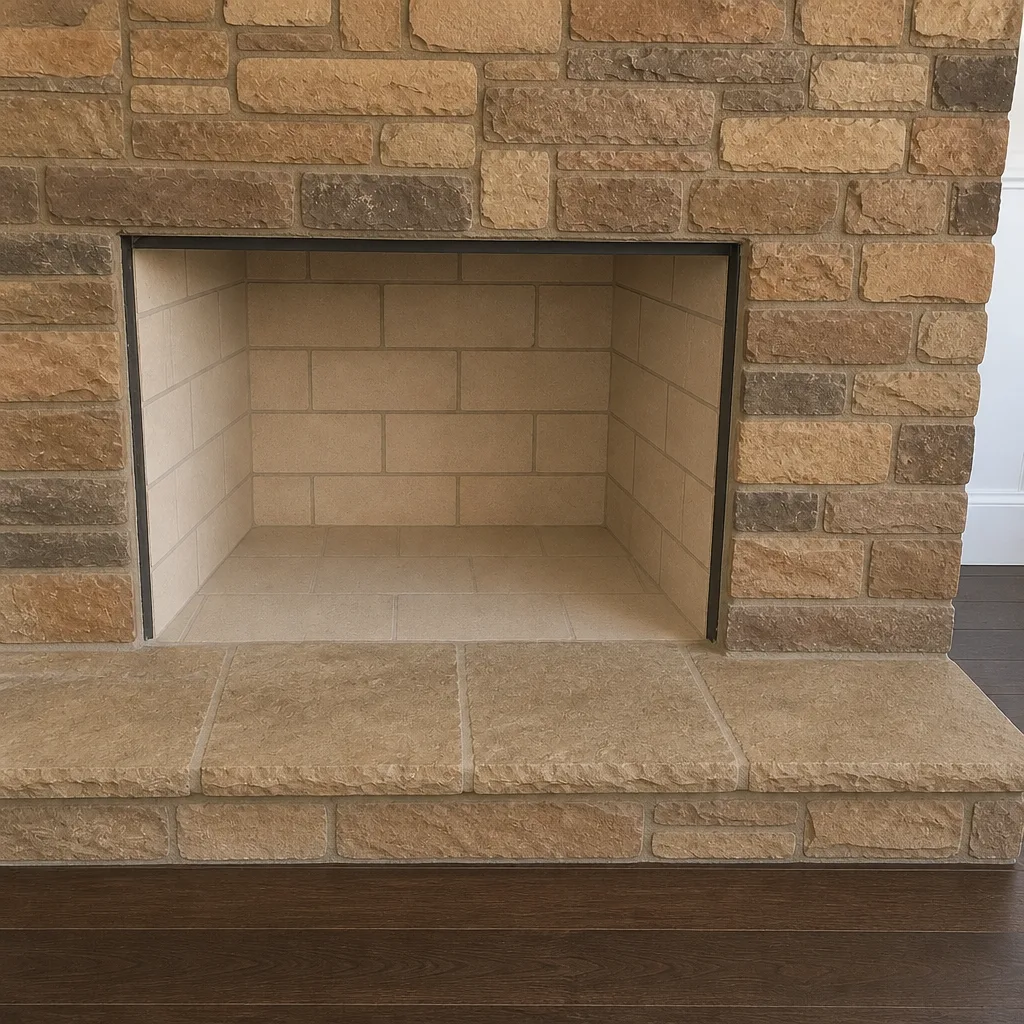
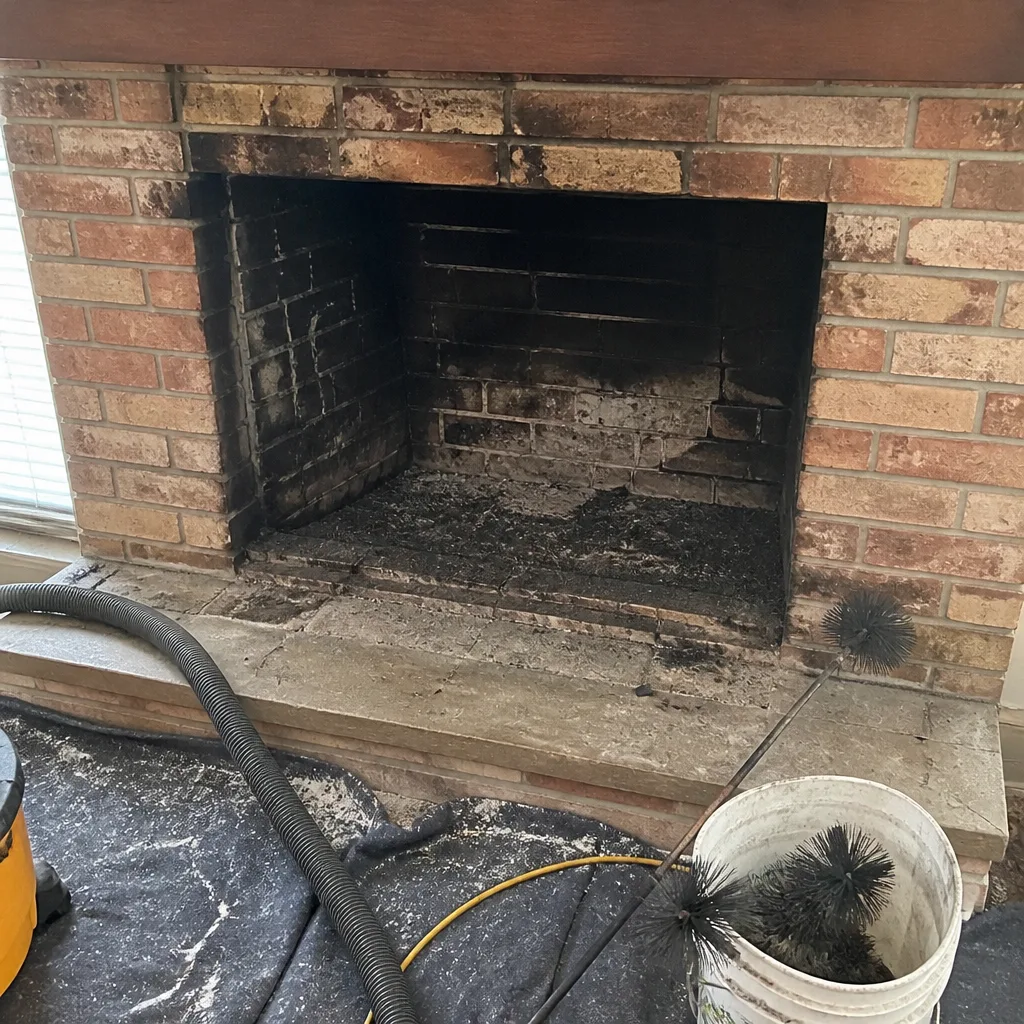
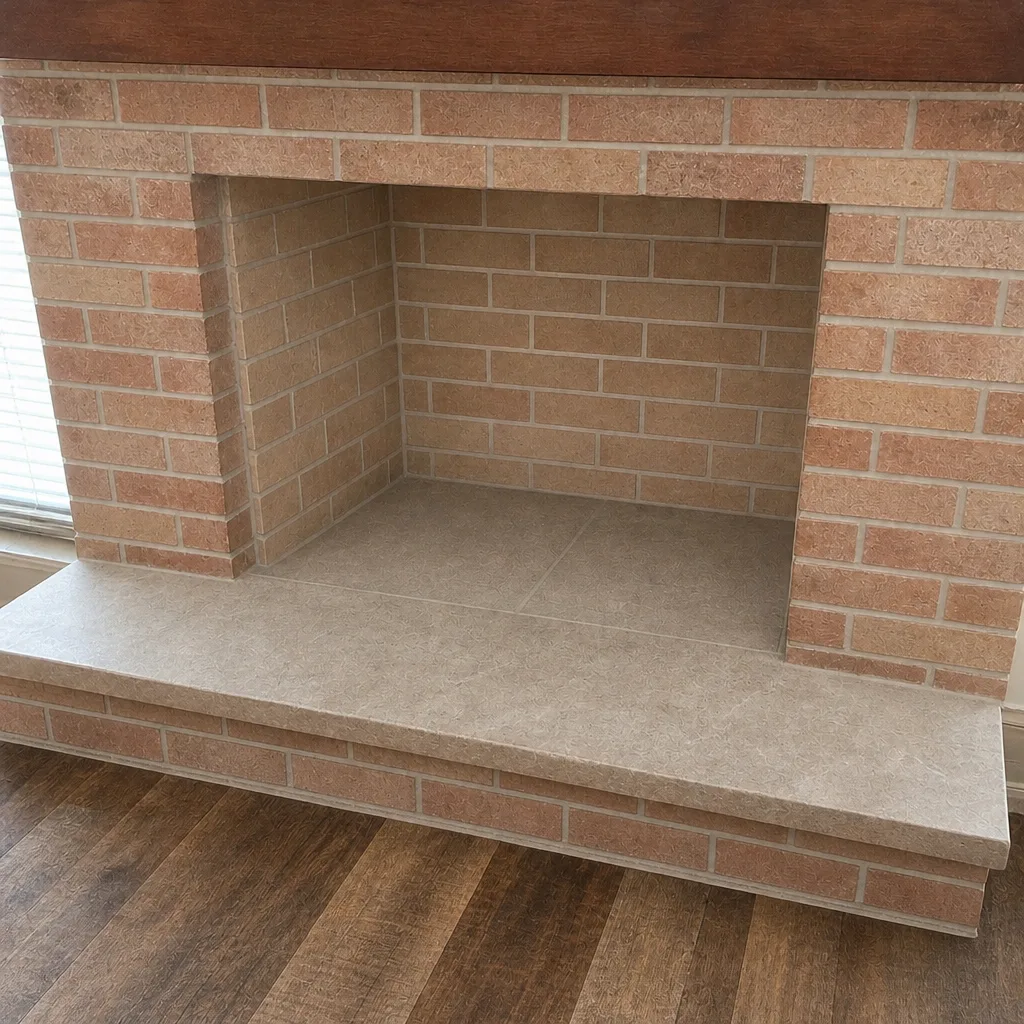
See the difference
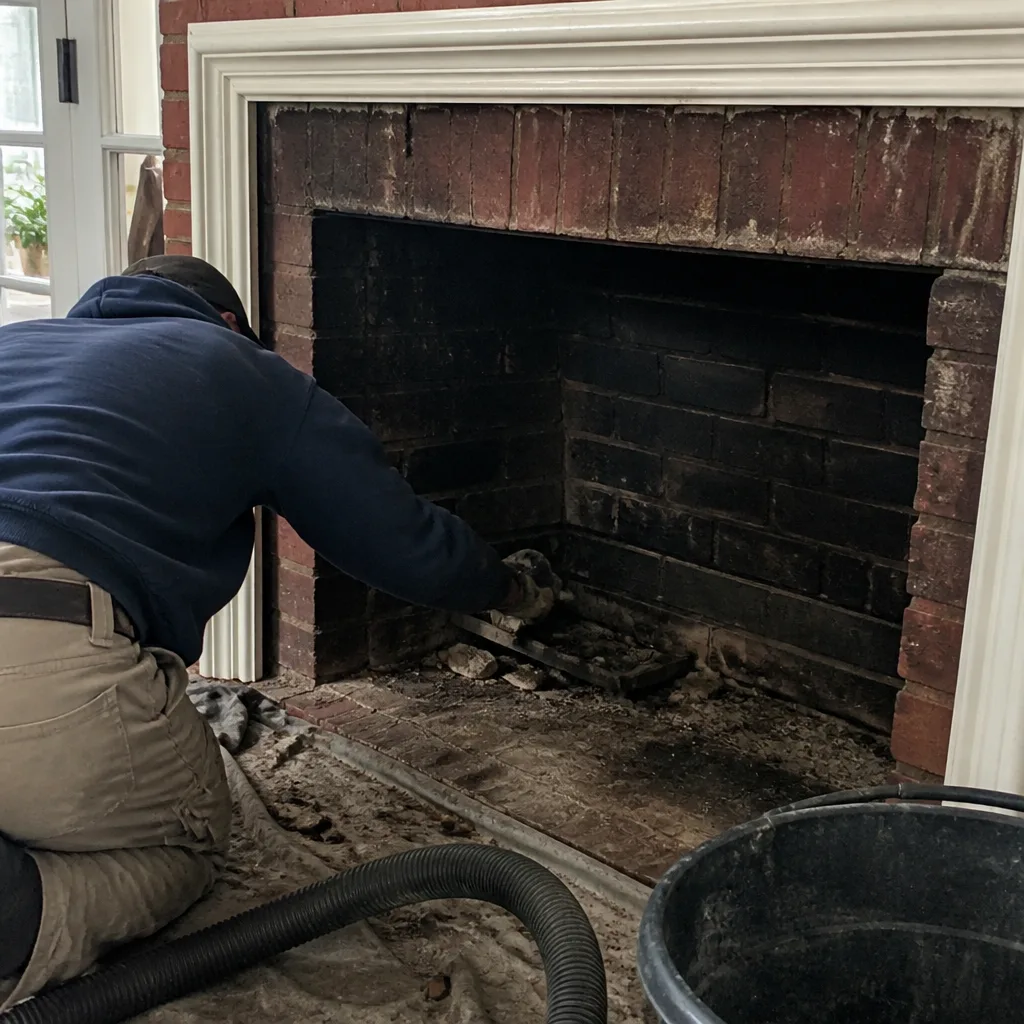 Before
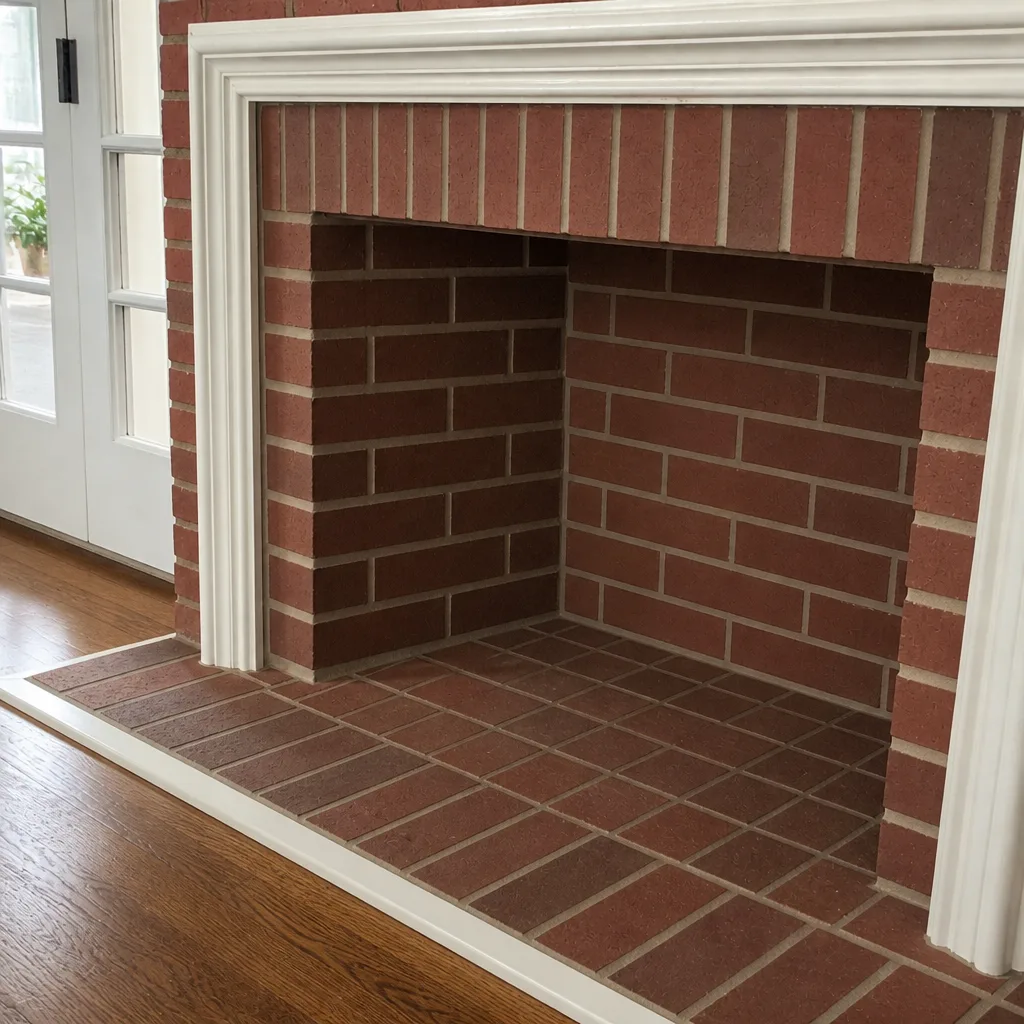 After
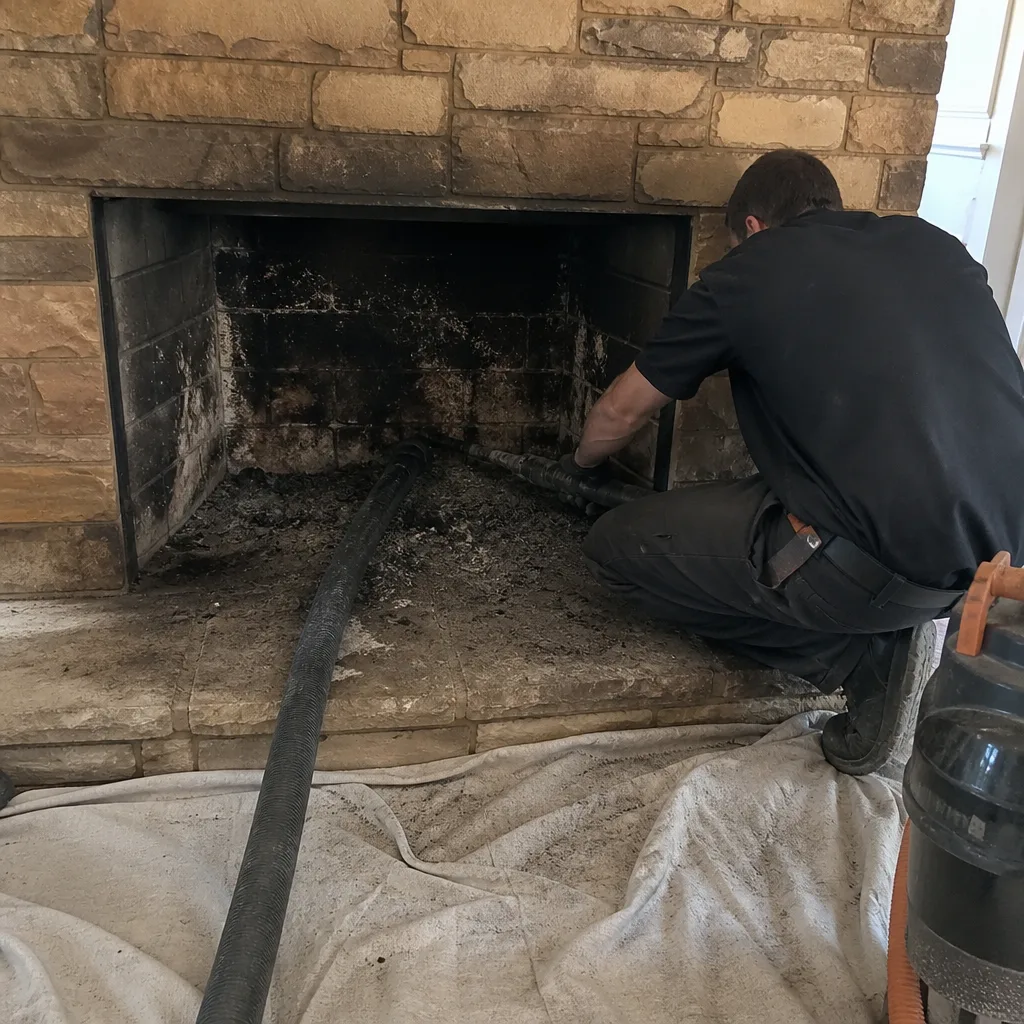 Before
 After
 Before
 After
A Question We Get All the Time: Do I Really Need a New Liner?
Not always. A failed flue liner is one of the more serious chimney problems there is, because the liner is what keeps combustion products inside the flue and away from the wood framing of the house. But a failed liner doesn’t automatically mean a full replacement.
At our end of the trade, we install DuraFlex flexible liner systems, which are the professional-grade answer for a chimney that genuinely needs relining. They’re stainless, they’re built for the heat, and they can be fitted into a flue that would otherwise need to be torn apart. For liners that are intact but have surface deterioration or cracked joints, we use the HeatShield ceramic repair system, which restores the flue liner’s interior surface without a full reline. That’s the diagnosis-first decision: the camera inspection tells you whether the liner is failing structurally (full reline) or deteriorating on the surface (HeatShield is an option). We can show you the photos of either situation, and we can tell you which one your chimney actually warrants.
Either path is a real fix with real materials, not a patch. The point is not to sell you a reline you don’t need, and not to leave you with a liner that’s going to fail this winter because someone said “it looks okay from the top.”
Common Mistakes to Avoid
- Waiting until October to book a sweep. October and November are the busiest months of the year for every chimney company in Hermitage. Booking in September gets you a clean flue, an inspection, and a wide choice of dates. Booking in November gets you a waitlist and a rushed first fire.
- Treating chimney care as a fall-only task. The biggest risk in Hermitage is summer moisture, not winter fire. A homeowner who sweeps in October and leaves the masonry alone all summer is doing about 30 percent of the job the climate actually requires.
- Using a surface sealant on masonry. It looks like it’s working for a season, then the masonry underneath is more waterlogged than before. A penetrating water repellent is what a Hermitage chimney actually needs.
- Assuming a cap is a cap. A generic hardware-store cap with a loose friction fit blows off in the first storm or gets peeled back by a squirrel. A fitted cap with a stainless screen from a maker like Olympia Chimney or Famco is a different product in every way.
- Ignoring a crack in the crown. A crown crack is cheap to fix. The structural chimney repair that follows a few summers of water intrusion is not. The crown is the roof of your chimney, and it gets treated like a roof: promptly.
- Burning wet or unseasoned wood. It’s the single biggest creosote source in the trade. If the wood sizzles when it burns, it’s too wet. Seasoned wood splits, sounds hollow when you knock two pieces together, and burns hot.
- Skipping the camera inspection to save time. A sweep without an inspection is a cleaning without a diagnosis. You don’t know what your liner looks like, and neither does anyone else until a camera goes down the flue.
When to Call a Professional
Some chimney problems can wait for a scheduled sweep. Others can’t. Call right away if you notice smoke spilling into the room, a strong creosote smell after a fire, a carbon monoxide detector going off, visible cracks in the exterior masonry, water stains on the ceiling around the chimney, an animal in the flue, or a chimney cap that’s visibly damaged or missing. Also call if you’ve just moved into a Hermitage home and don’t know when the chimney was last serviced; that’s the most common starting point for new homeowners, and a clean baseline is worth having.
For a routine sweep, inspection, crown or cap check, or fireplace repair, you don’t have to wait for a problem. Booking the work in the off-season gets you a cleaner experience and a better price window on scheduling. Chimney Sweep Hermitage offers free estimates in Hermitage. Call (877) 792-7308. We answer 24/7. Fast dispatch from 7am to 7pm, Sunday through Friday.
Frequently Asked Questions
Once a year for most wood-burning fireplaces, and more often if you burn heavily (a few nights a week, or more, through the winter). Gas fireplaces, which produce different byproducts, still need an annual inspection even if sweeping frequency is lower. The homeowner rule that matters most is: sweep when the flue has about 1/8 inch of soot or creosote accumulated, and inspect once a year regardless. In Hermitage, we recommend the annual sweep land in late summer or early September, before the demand spike. Call (877) 792-7308 for an exact scheduling window.
The two real risks are a chimney fire (from creosote igniting in the flue) and carbon monoxide entering the home (from a blocked or cracked flue). Neither is a scarecrow; both are documented outcomes of skipped maintenance. Creosote builds up faster in a chimney that’s burning cool, damp, or unseasoned wood, which is common in Hermitage’s early-season fires. A sweep clears the buildup and the inspection catches structural issues. When we find a problem, we show you the camera evidence and say plainly whether it can wait for spring or needs attention now. Call (877) 792-7308 to book a sweep.
Not automatically. A camera inspection will tell you whether the liner is failing (typically warranting a DuraFlex flexible liner system) or deteriorating on the interior surface (an option for HeatShield flue restoration without full replacement). Many homeowners are sold a full reline they don’t need, and many are told their liner is fine when it isn’t. The honest answer comes from the camera. Ask for the photos, and if the recommendation doesn’t match what the photos show, ask why. Call (877) 792-7308 for a free estimate.
A standard sweep in the Hermitage area typically runs in the range of a few hundred dollars, with the inspection included or available as a standalone service. Actual pricing depends on the flue configuration, the amount of buildup, and whether repairs are found. We provide a written estimate before any work is booked. Call (877) 792-7308 for an exact quote; estimates are free.
For a masonry chimney, yes, and it’s the most important season of the year. The combination of Middle Tennessee humidity and long hot summers loads masonry with moisture, which causes spalling, mold, and crown failure by the time fall arrives. A summer sweep clears the flue and a summer waterproofing treatment on the exterior masonry is what actually stops the damage. Skipping summer work is what turns a repointing job into a rebuild. Call (877) 792-7308 to book summer maintenance.
Yes, and the most common signs are a weak draft, smoke spilling into the room, a strange smell after a fire, and a fire that’s hard to keep burning hot. Those symptoms point to a partially blocked or creosote-loaded flue, or to a flue that’s undersized for the appliance. In our experience, the smallest issue is a creosote smell and the biggest is a chimney fire. Either way, it’s worth a professional look before the next fire is lit. Call (877) 792-7308 for a free estimate.
The Bottom Line
Chimney care in Hermitage is a four-season job, not a fall ritual. Spring is for nesting and storm damage. Summer is when most of the structural damage actually happens, and it’s the season most homeowners skip. Fall is for a sweep and an inspection in September, before the November rush. Winter is for watching draft and catching freeze-thaw cracks while they’re still small. The chimney problems you discover in October start in July, so the work that saves the most money is the work you do in the middle of the summer. If you want a schedule built around Middle Tennessee’s climate instead of generic advice, that’s what we do.
Contact us at (877) 792-7308 for a free estimate. We answer 24/7. Fast dispatch from 7am to 7pm, Sunday through Friday. We’ll make sure you get the exact year-round care your home needs.
Written by the team at Chimney Sweep Hermitage.