
Last updated November 24, 2026
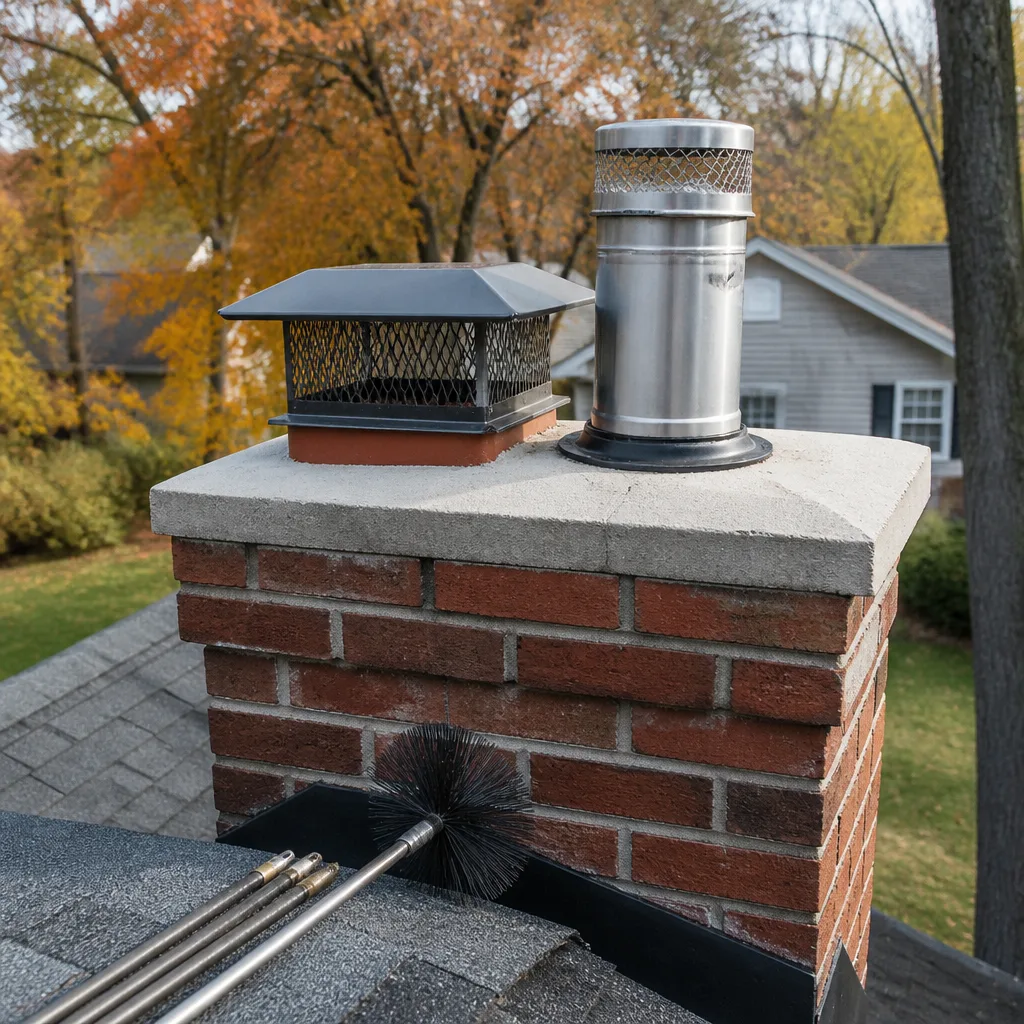 Sweep & inspection
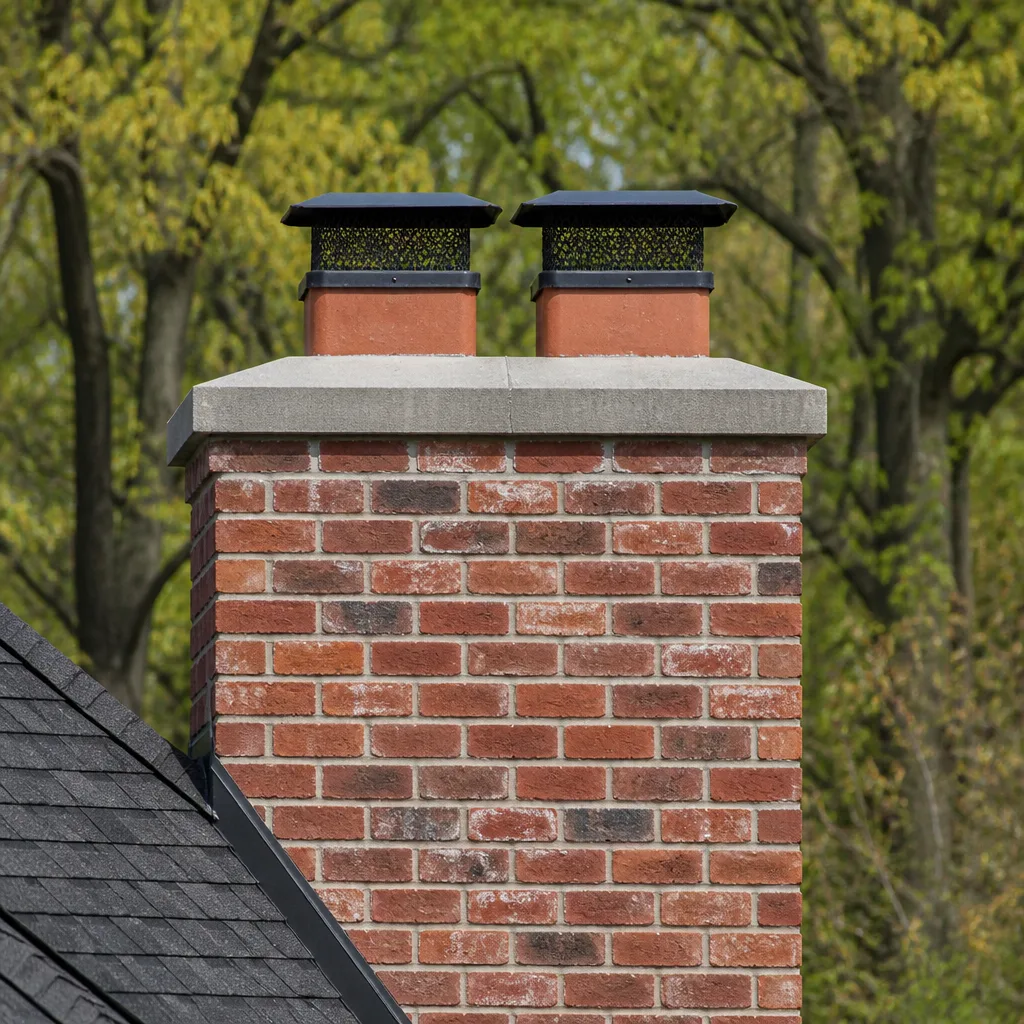 Caps & crowns
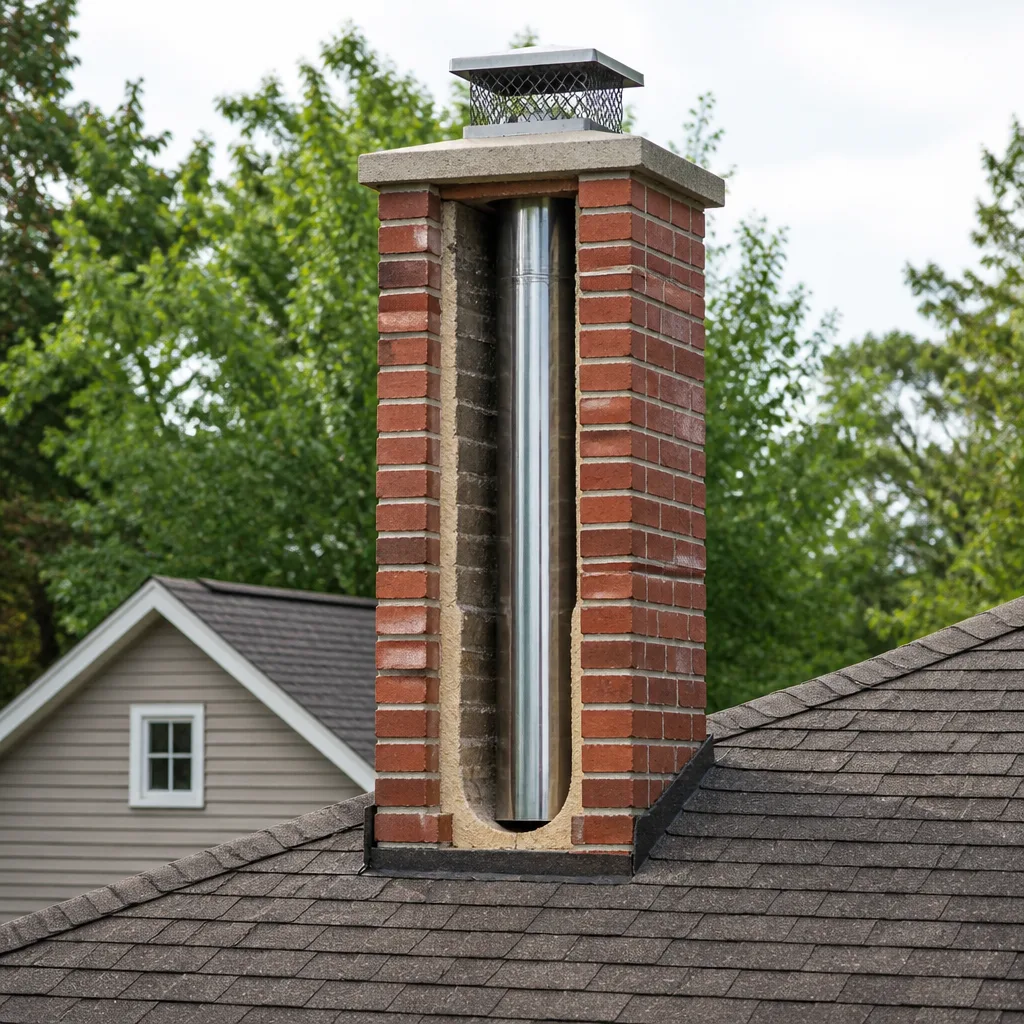 Flue relining
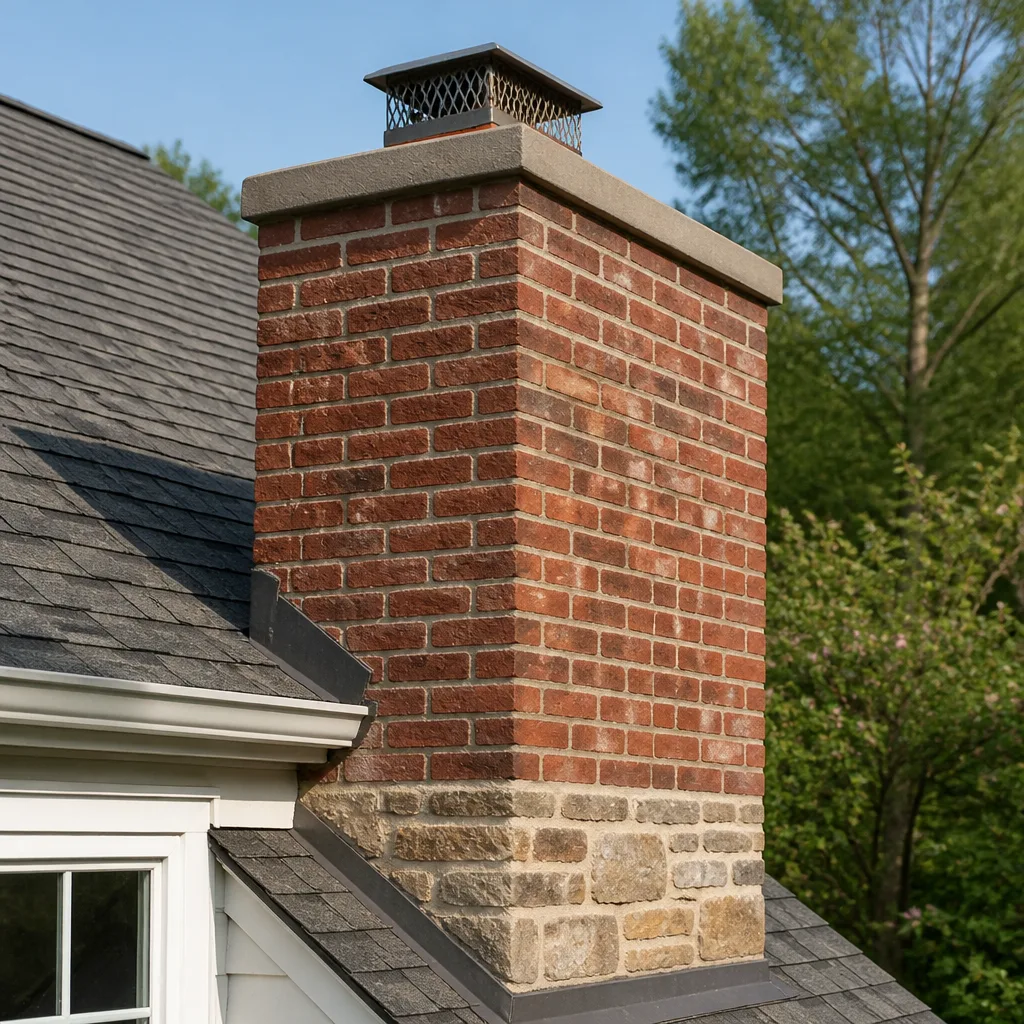 Masonry repair
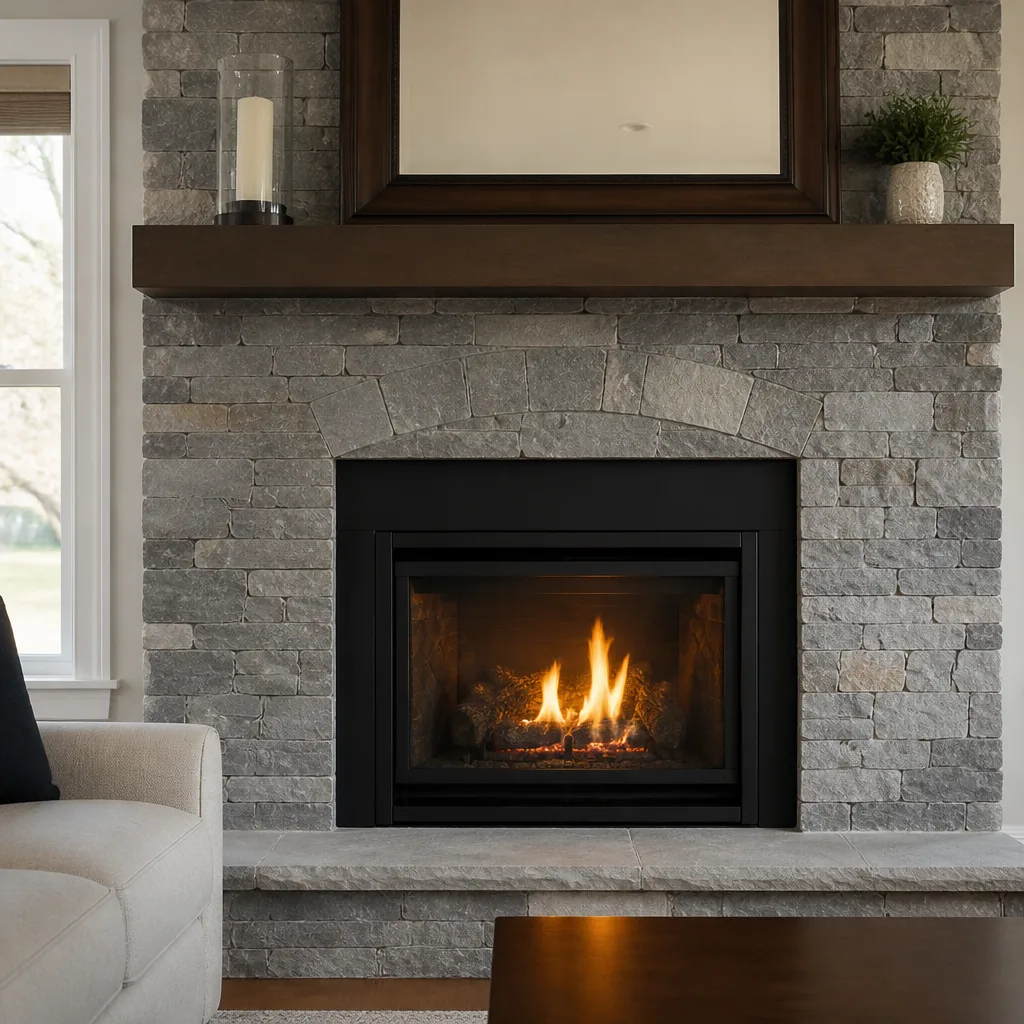 Gas fireplace service
Level 1 sweep and inspection to the NFPA 211 annual standard - flue, crown, cap, and flashing checked and photographed
Chimney sweep logs do not sweep chimneys. They loosen some creosote - which then falls where a brush and vacuum still have to collect it.
Chimney Cleaning Warning Signs: A Hermitage Homeowner’s Reference Guide
Most people wait for smoke in the room before they call anyone. That’s the wrong alarm. Chimneys rarely fail without warning; they give you clues for months, sometimes years, in the form of a smell, a stain, a sound, or a draft that never quite worked. In Hermitage, where the humid summers and wood-burning winters are hard on masonry, those clues show up in predictable places. This guide organizes them by where you’ll find them, ranks each one by urgency, and explains what each symptom usually means and how soon to act. By the end you’ll know which signs mean stop burning now, which can wait for your next service, and which are just cosmetic.
Quick Answer
The most urgent chimney warning signs in Hermitage are: a strong smoke or acrid smell with the damper closed, smoke rolling back into the room while a fire burns, white powdery stains or crumbling brick on the exterior, and a flue liner with visible cracks on camera. Any of those means stop using the fireplace and schedule an inspection. Softer signs like a stained cap, a sticky damper, or a faint barbecue smell indicate creosote or moisture problems that should be addressed within the next 30 days rather than immediately. Everything else can be monitored until your annual service.
Styles & brands we work with
- Sweep & inspection
- Caps & crowns
- Flue relining
- Masonry repair
- Gas fireplace service
Table of Contents
- How to Use This Reference: The Three Urgency Tiers
- Warning Signs in the Firebox
- Warning Signs in the Smoke Chamber
- Warning Signs on the Exterior
- Behavioral Warning Signs: Draft, Smoke Rollout, and Odors
- The Smell Diagnostic: Matching Odor to Problem
- Signs That Mean Repair, Not Just Cleaning
- Cosmetic vs. Hazard: How to Triage Without Panic
How to Use This Reference: The Three Urgency Tiers
Every sign in this guide gets one of three labels. Tiers are the whole point of a reference guide: they let you decide what to do in the next hour versus the next month.
- Tier 1 – Stop burning immediately. Fire risk or carbon monoxide risk is plausible. Do not light another fire until a proper inspection clears the chimney.
- Tier 2 – Schedule an inspection within 30 days. The sign points to moisture, creosote buildup, or a component that’s degrading. It will get worse, but you have weeks, not hours, to act.
- Tier 3 – Monitor and address at next annual service. The sign is either cosmetic or early enough that your scheduled visit will catch it before it escalates.
That structure matters because most homeowners overreact to the wrong things. A cracked crown sounds alarming but is often a slow-progressing masonry issue. A white residue inside the firebox looks harmless and is frequently the first trace of creosote burning off. The tier system reverses those instincts. We’ve watched homeowners in Hermitage spend a season worrying about efflorescence while the real problem, a hairline liner crack, sat unaddressed. Use this guide to sort symptoms by what actually threatens your home.
If at any point the fire itself behaves differently than usual – smoke curling out of the firebox lip, flames climbing too fast, a new draft where there wasn’t one – escalate to Tier 1 for that day. An active anomaly during a fire outranks any static sign.
Warning Signs in the Firebox
The firebox is the ground floor, the most-visible part of the system, and it holds more diagnostic information than any other area. Here is what each sign means.
White or gray powdery residue on firebrick
That pale bloom is called efflorescence, and it forms when moisture migrates through the brick and evaporates on the surface, leaving mineral salts behind. In a firebox it means moisture is moving through the masonry, either from a leak above or from condensation cycle damage. Tier 2. Addressable, but every wet-dry cycle slowly spalls the firebrick further.
Rust on the firebox metal or damper hinges
Rust in an otherwise dry firebox is a moisture clue. Water is getting in somewhere – a failing cap, a cracked crown, or a compromised flashing – and finding its way onto metal surfaces that should stay dry. Tier 2.
Cracked or crumbled firebrick
Hairline cracks in firebrick can be normal thermal wear. Cracks wide enough to hold a nickel, or brick that crumbles when you touch it, indicate the firebox is losing structural integrity. Fire can migrate behind the brick into the surrounding framing. Tier 1.
Heavy soot or glossy black coating
Powdery soot is normal. A glossy, tar-like black coating inside the firebox or against the throat means glazed creosote has formed – a late-stage buildup that a standard brush won’t remove. Tier 1. Glazed creosote ignites at lower temperatures than wood and burns much hotter. Call for a Chimney Sweep Hermitage inspection before another fire.
Warning Signs in the Smoke Chamber
The smoke chamber sits between the firebox and the flue, and its job is to compress smoke into the flue fast enough to draft. Because it’s tucked out of sight, most homeowners never see what’s happening in there. That’s why the warning signs are so specific – and why missing them lets a small problem compound for years.
Visible tar or black streaks on the sloped walls
If you can see heavy black staining on the chamber’s sloping surfaces from the firebox opening, the chamber is coated. Creosote has been accumulating long enough to concentrate in the smoke path. Tier 2, unless the coating looks glossy or bubbly, in which case Tier 1.
Rough or crumbling parging
The smoke chamber is usually parged with a smoothing layer of mortar to keep airflow smooth. When that parging degrades, the chamber gains cracks and ledges that catch creosote and slow draft. It also opens pathways for heat to reach framing. Tier 2. Many smoke-chamber parging failures require specialist work – mechanical smoothing is a service most sweep-only companies don’t offer, though we handle it through the industry’s standard ceramic-resurfacing systems.
Distorted or collapsed baffle or smoke shelf
The smoke shelf is a small ledge at the back of the chamber that helps deflect downdrafts. When it’s burned, bent, or missing, the chimney drafts poorly and tends to smoke into the room when you open the firebox door. Tier 2 to Tier 1 depending on how badly the draft has degraded.
Smoke chamber problems are among the least visible warning signs we encounter on inspections in Hermitage, and also among the most consequential. A camera inspection catches what a flashlight can’t, and it’s the only reliable way to know whether the chamber needs work or just a good cleaning.
Warning Signs on the Exterior
The outside of a chimney in Hermitage takes a beating. Summer humidity is high, winters cycle through freeze-thaw, and a typical chimney has to survive both. Most of the serious exterior warning signs trace back to moisture intrusion – and most are visible with a pair of binoculars from the yard.
White powdery stains on exterior brick (efflorescence)
The same mineral bloom you see inside the firebox, showing up on the outer face of the chimney. This means water is moving through the brick and evaporating out. Tier 2. Wet masonry in Hermitage’s humid climate also encourages spalling and, eventually, deterioration of the mortar joints.
Spalling brick: flaking, peeling, or crumbling faces
Once brick faces start flaking or crumbling, the brick is beyond cosmetic repair. Each freeze-thaw cycle expands trapped moisture and pops off another layer. Tier 2, with repair at the next workable weather window.
Cracked, crumbling, or missing mortar joints
Mortar is the softer, sacrificial part of the wall. Joints that are recessed or missing let water into the wall assembly behind. Tier 2. Repointing is a straightforward masonry repair, not a structural rebuild, if caught before the brick itself degrades.
Rust streaks on the cap or flue top
Most modern chimney caps are stainless or galvanized steel. Rust streaks on a cap mean the coating has failed, and the cap’s job – keeping water and animals out – is compromised. Tier 2. A properly fitted replacement cap from Gelco or Olympia Chimney lines will outlast a hardware-store substitute by a wide margin.
Cracked crown
The crown is the concrete slab at the very top that sheds water away from the flue. Hairline cracks are common; open cracks that let water through are a moisture pathway for the whole chimney. Tier 2. Crown repair and replacement is part of the chimney cap & crown work we handle as a standard service.
Leaning or tilting chimney
A chimney that visibly leans away from vertical is showing a structural issue – failed foundation, footing movement, or advanced masonry decay. Tier 1. This is the one exterior sign that warrants immediate assessment by a structural specialist.
Behavioral Warning Signs: Draft, Smoke Rollout, and Odors
Symptoms here are about how the chimney behaves during and after a fire. They’re the warning signs homeowners most often dismiss, because they don’t involve anything they can see. A chimney that drafts poorly is telling you something specific, and usually something fixable.
Poor draft: fires that struggle to stay lit
If your fires are hard to start, burn low, or smoke steadily toward the room instead of up the flue, the chimney isn’t pulling enough air. Causes include a partially blocked flue, a failed smoke shelf, a smoking neighbor’s chimney (rare), or a mismatched flue size for the firebox opening. Tier 2, unless smoke is entering the room, then Tier 1.
Smoke rolling back into the room
Smoke that spills past the firebox opening when you add wood or open the door is one of the strongest warning signs of a chimney problem. It can come from a flue blockage, a damaged smoke chamber, a stuck-open or blocked damper, or negative pressure in the home. Tier 1. Smoke is not just a nuisance; it’s combustion byproduct that shouldn’t be in the room, and it hints at carbon monoxide exposure risk too.
Fires that burn too fast or too hot
If your fires have started consuming wood faster than they used to, the chimney may be over-drafting. That’s often a sign of a damaged or missing flue liner – the liner helps regulate temperature as well as contain the fire. Tier 2.
Strong smoky odor in the room, with the damper closed
That smell isn’t a draft quirk. It’s often a sign of Stage 2 creosote buildup or a compromised liner, both of which are fire risks that cleaning alone can’t fix. That combination is the reason we treat “strong odor with damper closed” as a Tier 1 warning, not a seasonal annoyance. The damper is supposed to seal off the flue; if the flue is off-gassing chemical tars through a closed damper, the barrier is compromised somewhere. The next section breaks the smell diagnostic down by specific odor.
The Smell Diagnostic: Matching Odor to Problem
Odors are the most-misunderstood diagnostic tool in chimney care. Every smell has a signature, and each one points to a specific class of problem. Get the classification right and you’ll know whether to call today or at next service.
- Musty, earthy, or damp-wood smell – moisture and mold. Water is trapped somewhere in the chimney, probably from a failed crown, a compromised cap, or a flashing leak. Tier 2. The moisture problem needs solving before the resulting mold becomes a bigger issue. In Hermitage’s humid months, a musty chimney smell can intensify quickly.
- Barbecue-smoke smell when no fire is burning – Stage 1 creosote. Fresh, flaky creosote, the earliest stage, gives off a smoky pit-master odor. Tier 3, addressed at your next annual service.
- Sharp, acrid, or tarry smell – Stage 2 creosote. Pungent and unpleasant, this odor points to compacted creosote that just started to glaze. Tier 2. This is the stage where cleaning prevents a fire rather than reacting to one.
- Burning plastic, rubber, or chemical smell – foreign debris or liner damage. Plastics and rubber don’t burn in wood; when you smell them, the source is usually something melted in the firebox – a bit of packaging, a synthetic toy – or offgassing from a degrading liner material. Tier 1. If the smell reappears across multiple fires with no debris present, assume liner damage and stop using the fireplace.
- Sulfur or rotten-egg smell – unusual in a wood-burning chimney. If you have a gas fireplace, a sulfur odor can indicate a gas issue. Treat this as Tier 1 and shut off the gas at the appliance before doing anything else.
Note that “smoky smell in the spring and summer” is usually just cool-season downdraft, not a problem. The trouble starts when the smell is strong, chemical, and persistent year-round. That’s the pattern that points to creosote or liner failure.
Signs That Mean Repair, Not Just Cleaning
Some warning signs get fixed by a good sweep and a brush. Others mark the boundary where cleaning stops and repair begins. This is the most important section in the guide, because it’s where homeowners get talked into the wrong service – either paying for a repair they didn’t need, or getting a clean-and-go visit that should have been a repair job.
Here are the classic “this needs more than cleaning” signs, and what repair each one typically requires:
- Hairline cracks in the liner visible on camera. A crack that shows on a proper camera inspection allows heat and carbon monoxide to escape into the chimney’s framing cavity. Repair options range from a HeatShield ceramic restoration – a proven alternative to full liner replacement for appropriate cases – to a new liner system in DuraFlex flexible stainless.
- Absent or separated liner at the top of the flue. Looking down at the top of the chimney, you should see a continuous liner sleeve inside the flue tile. If you see a gap, a broken tile, or bare brick, the liner has failed. Installation of a DuraFlex flexible liner is the standard fix.
- Spalling firebrick inside the firebox. Firebrick that has crumbled, lost its face, or hollowed out needs to be rebuilt. This is fireplace repair, not sweeping.
- Damper that won’t seal or won’t open fully. A warped, seized, or missing damper is both a heating-efficiency problem and a combustion-gas pathway. Damper repair is part of the fireplace repair work we handle.
- Smoke chamber with no parging or cracked parging. Requires chamber resurfacing – specialized work that many single-service sweeps can’t do. HeatShield is the system we use, and it’s the least-invasive option for a chamber in otherwise good structural condition.
- Crown with structural cracks or separation from the flue. Crown repair or replacement (not caulk-over) is needed before water intrusion takes more of the chimney’s masonry.
- Displaced flue tile. A flue tile out of alignment blocks the flue and can cause smoke rollout. Relining is almost always the fix.
If you’ve been told your chimney needs work, ask for the camera footage and a photo report of the findings. A reputable chimney professional will show you the evidence. Nothing should be recommended without it. That’s a core part of how we operate: inspection first, recommendation second, and no work sold on a verbal claim alone.
Cosmetic vs. Hazard: How to Triage Without Panic
Here’s the mistake we see most: homeowners treat cosmetic flaws as emergencies and treat genuine hazards as cosmetic. The good news is the distinction is usually clear once you know what to ask. Use these three tests in order.
Test 1: Does the sign involve smoke, gas, or heat where it shouldn’t be?
Smoke rolling into the room, an odor with the damper closed, or a fire that behaves oddly = Tier 1. Anything at that intersection is a safety matter, not a cosmetic one. Stop using the fireplace until a proper inspection clears it. Carbon monoxide is invisible and odorless, and a compromised liner is the most common path for it to enter a home.
Test 2: Does the sign involve moisture where it shouldn’t be?
White efflorescence, spalling brick, rust on exterior metal, musty smells, and damp fireboxes are moisture clues. These are Tier 2 – not emergency, but not “wait a year” either. Moisture in masonry always gets worse in Hermitage’s humid climate, and the repair cost grows faster than the calendar does.
Test 3: Does the sign affect how the fire burns, or how the chimney looks?
A stained cap, a slightly worn but functioning damper, some soot on the firebox walls, or a hairline thermal crack in a firebrick that passed inspection all sit in Tier 3. Note them and bring them up at your annual service. Nothing is gained by panicking over them. Nothing is gained by ignoring them either.
Clear safety line
One more thing worth being explicit about: some chimney work is genuinely dangerous. A flue that shows any sign of liner failure should not be used, and no DIY inspection – climbing a ladder, reaching into a hot firebox, attempting to brush a stack with glazed creosote – is ever the answer. Glazed creosote burns extremely hot and can ignite with a single spark from a fire below. That’s a trained professional’s job. What you can safely do is observe from the ground, note the symptoms in this guide, and call for a service visit. Real experts will tell you what to check and what to leave alone.
Common Mistakes to Avoid
- Treating smoke rollout as a draft quirk. If smoke backs into the room every time you open the door, something is wrong with the flue, the smoke chamber, or the damper. It’s not a “house too tight” problem you can fix with a cracked window. Get it inspected.
- Assuming the smell is just the season. Cool weather and low pressure do create downdrafts in Hermitage, but the smell should calm down once the chimney warms up. A strong odor with the fire out and the damper closed is a different problem, and it’s the one that suggests creosote or a compromised liner.
- Painting over efflorescence. A fresh coat of masonry paint hides the visual sign but seals moisture into the brick. The moisture then finds a new exit point – usually the interior – which turns a cosmetic problem into a structural one.
- Using hardware-store caps on a masonry chimney. Universally sized caps that don’t fit the flue properly leak, rattle in wind, or catch creosote at the edges. A deliberately fitted cap from Gelco or Olympia Chimney lines does the job correctly.
- Booking a “sweep-only” company for a repair-worthy chimney. If the diagnosis is a failed liner, a cracked crown, or damaged firebrick, a sweep that only cleans will clean it and leave. That leaves the actual hazard in place and adds a service call to your costs. Ask up front whether the company handles repairs in-house or subcontracts, and whether they install DuraFlex, HeatShield, or other industry brands directly.
- Ignoring the crown until the chimney wall softens. Crown cracks are slow to become dangerous but quick to become expensive. Water tracking behind the crown into the flue wall is the front end of most interior ceiling stains we encounter in Hermitage.
- Skipping a chimney inspection after a chimney fire, even a small one. Creosote fires often aren’t dramatic. They can burn for 20 seconds, produce little visible smoke, and still cause significant hidden damage to the flue tile and chamber. A post-fire inspection is standard practice, not an upsell.
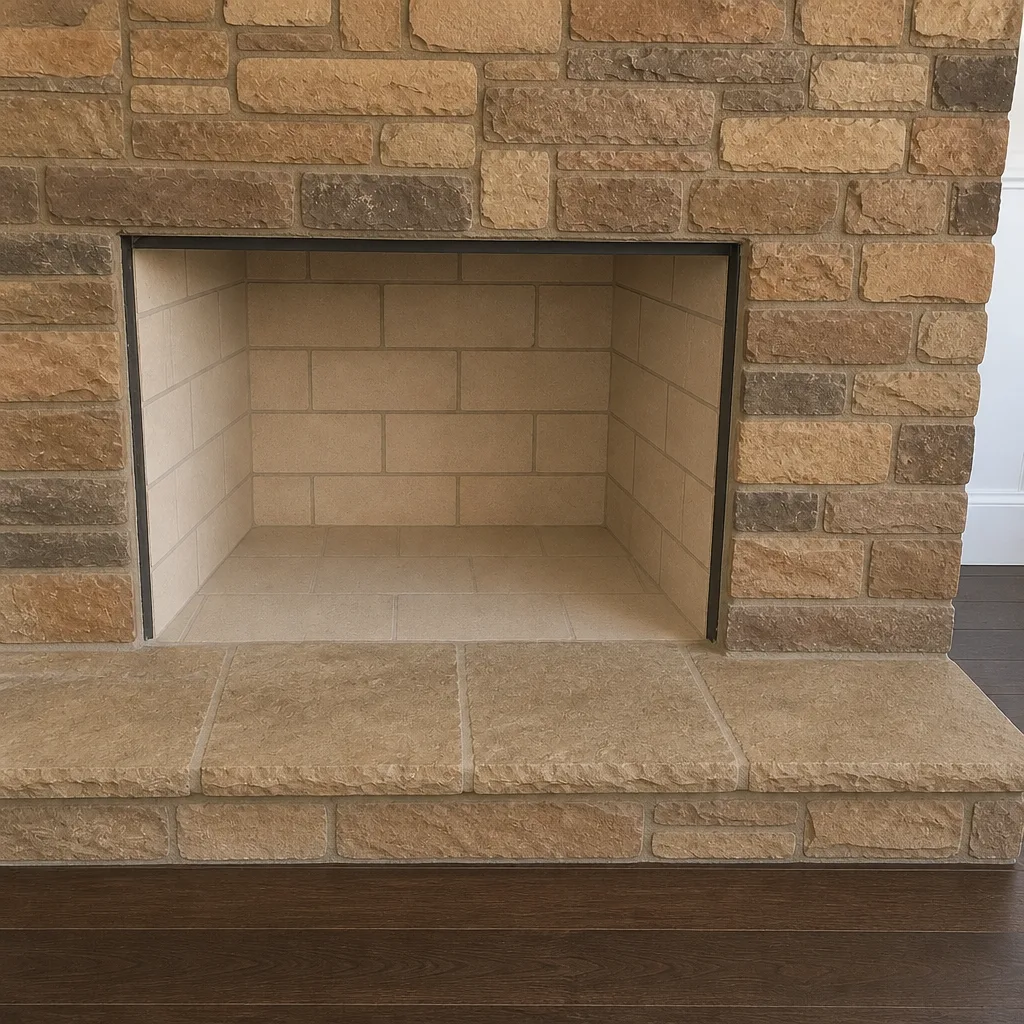
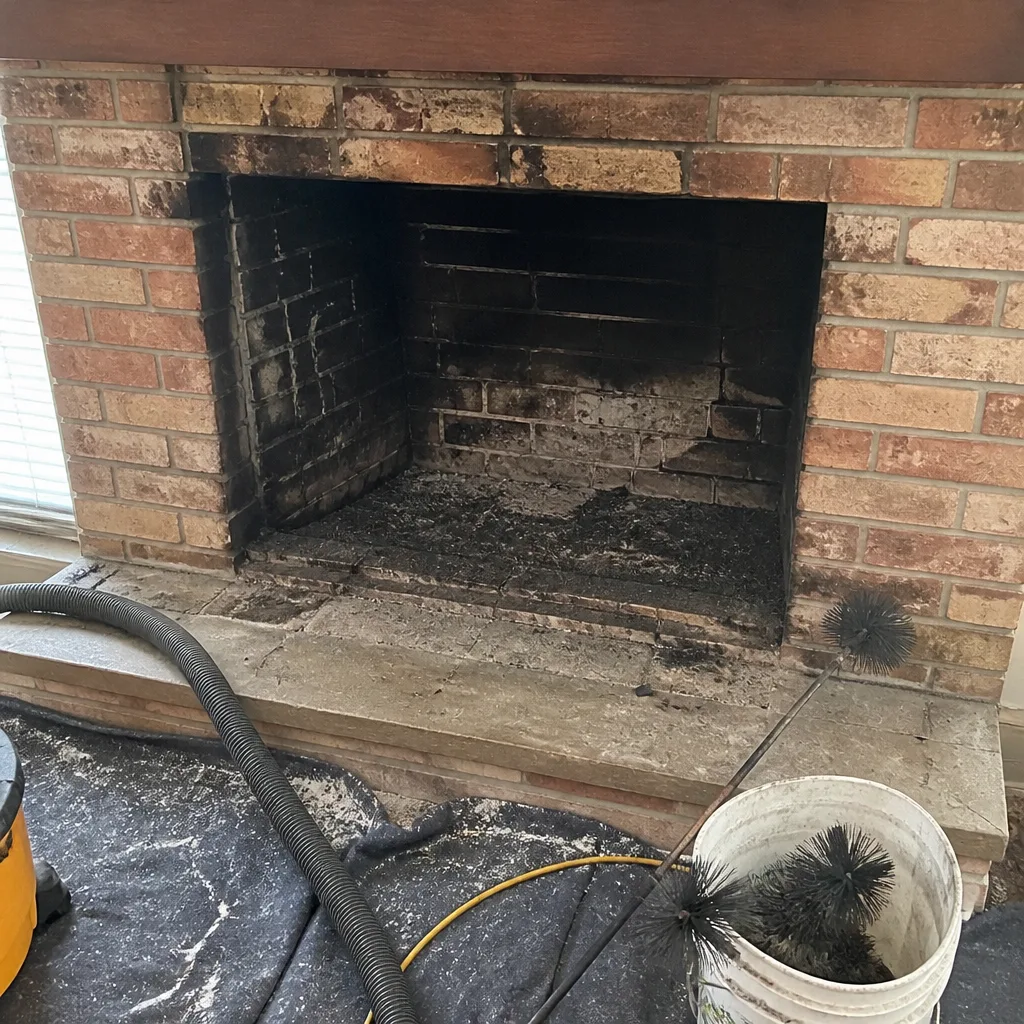
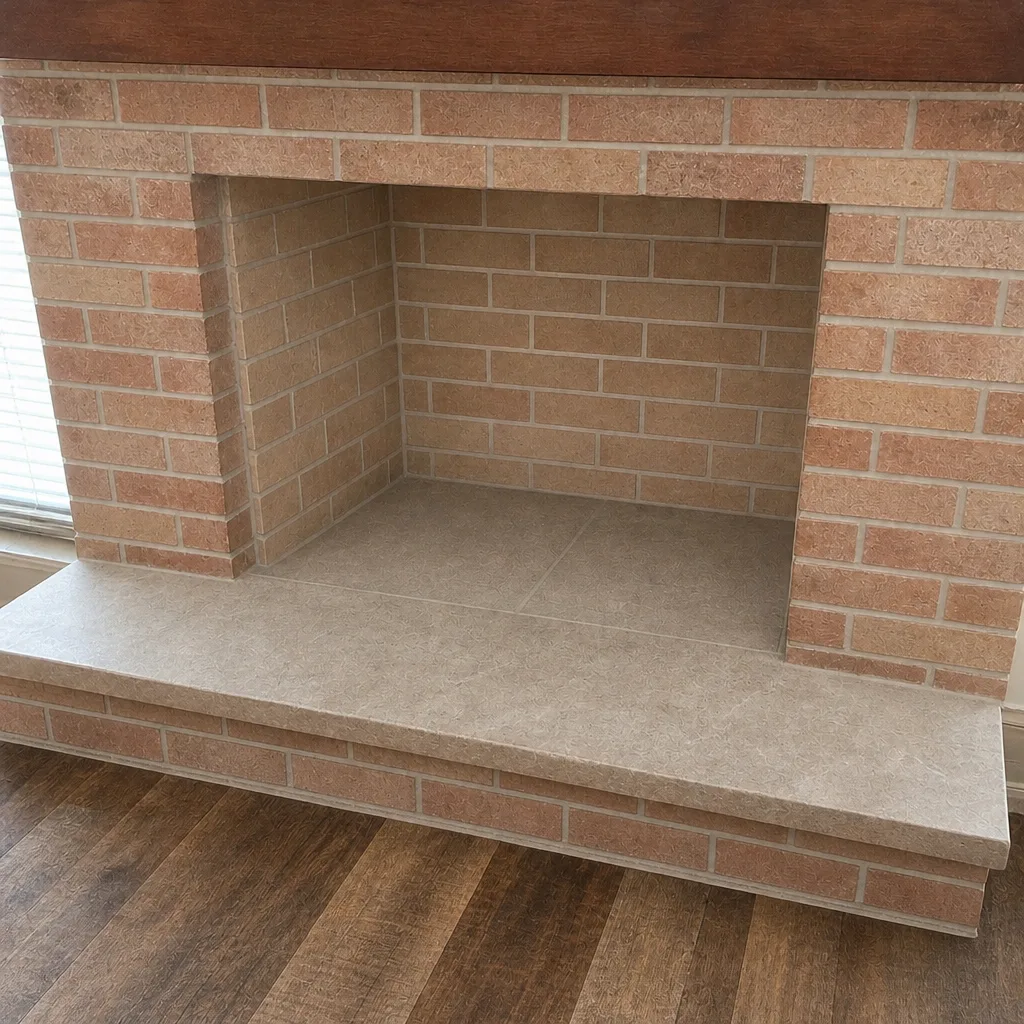
See the difference
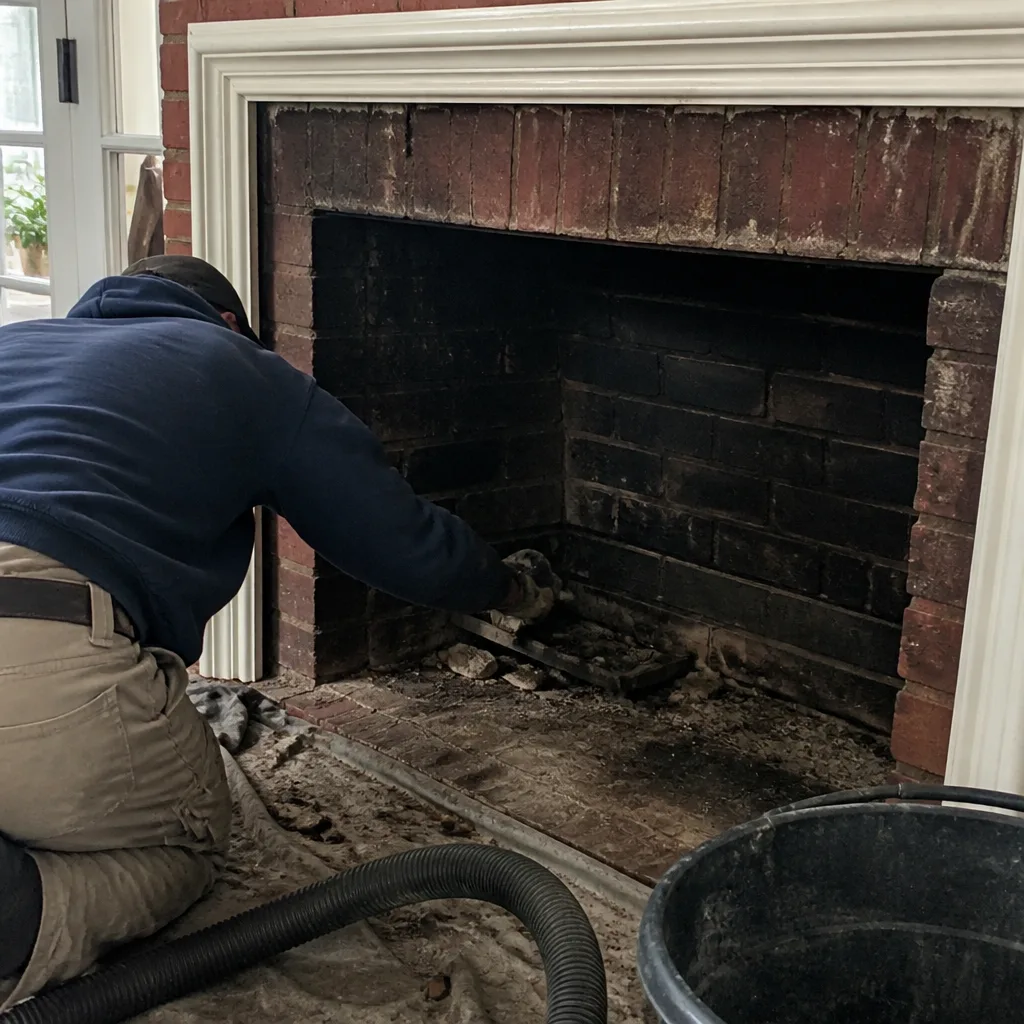 Before
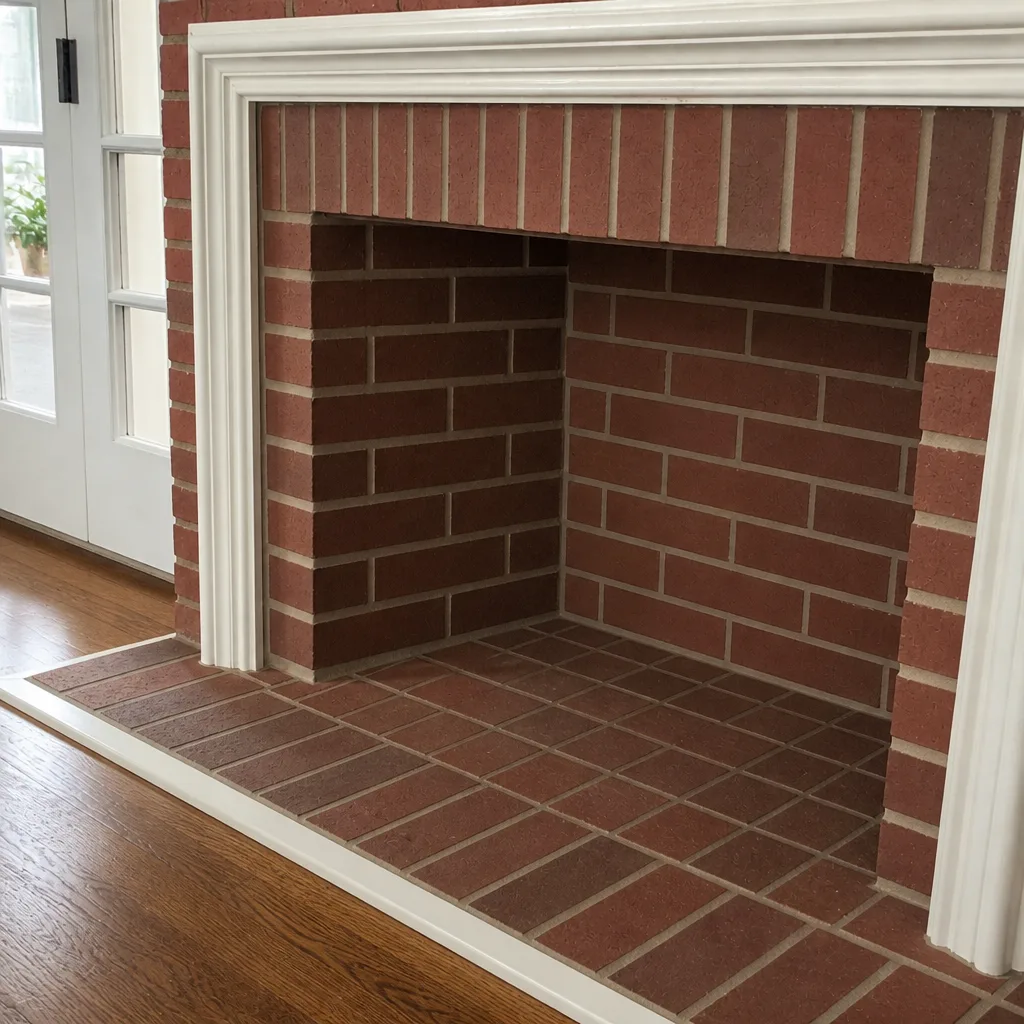 After
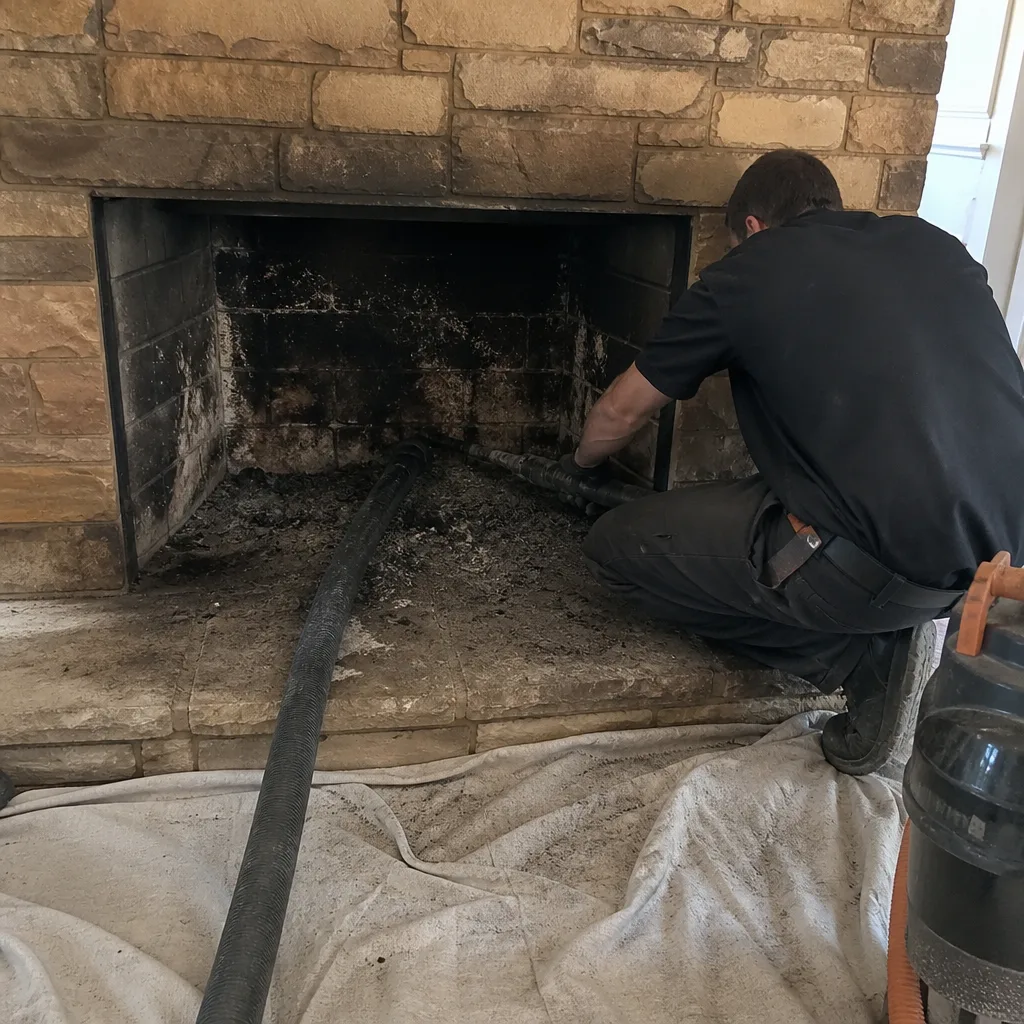 Before
 After
 Before
 After
When to Call a Professional
Call for any sign this guide marks as Tier 1 – smoke in the room, an acrid smell with the damper closed, a leaning chimney, or a fire that has clearly behaved dangerously. Call if you’ve noticed two or more Tier 2 signs in the same chimney; multiple moisture and creosote indicators together usually mean the problem is bigger than any single symptom suggests. Call if your last cleaning was more than a year ago and you heat with wood, or more than two years for gas fireplaces. Call after any chimney fire, regardless of how small it seemed. And call if you’re moving into a new home in Hermitage and don’t have a record of the last inspection; a baseline inspection is cheap compared to inheriting someone else’s deferred maintenance.
Chimney Sweep Hermitage offers free estimates in Hermitage and the surrounding area – call (877) 792-7308. We answer 24/7. Fast dispatch from 7am to 7pm, Sunday through Friday.
Frequently Asked Questions
The most common warning signs we see in Hermitage are white efflorescence on the firebox or exterior brick, rust streaks on the cap, a smoky smell with the damper closed, and a draft that varies by weather. The first two point to moisture; the last two point to creosote or a liner issue. Any of them is worth a proper inspection. Call (877) 792-7308 for an exact estimate – inspections are free.
Yes, treat it as serious. A strong smoke smell with the damper closed usually points to Stage 2 creosote buildup, a compromised liner, or a damper that’s no longer sealing. The damper is supposed to isolate the room from the flue, so odor crossing a closed damper means something is wrong that cleaning alone may not fix. Stop using the fireplace and book an inspection. Call (877) 792-7308 for an exact quote – estimates are free.
The white powdery bloom is efflorescence, a sign of moisture migrating through the masonry. Water travels through the brick, evaporates, and leaves mineral salts behind. It’s usually a Tier 2 warning – a moisture problem that will worsen if left alone. Common sources include a cracked crown, a failed cap, and worn flashing. A camera inspection locates the entry point. Call (877) 792-7308 for an exact quote – estimates are free.
It depends on the extent of the liner damage. Hairline cracks and localized deterioration can often be addressed with the HeatShield ceramic restoration system, which resurfaces the existing flue from the inside. Larger separations, missing liner sections, and displaced flue tiles typically require a new flexible liner installation, which we do with DuraFlex systems. Either way, the camera footage drives the recommendation – nothing is suggested without evidence you can see.
Once a year for homes that burn wood, and once every two years for gas fireplaces. Hermitage’s humid summers are hard on masonry, and its wood-burning winters load creosote quickly, so the annual cadence matters more here than in a dry climate. Add an inspection after any chimney fire and at any change of ownership. Call (877) 792-7308 for an exact quote – estimates are free.
Skipped inspections let small problems compound: a slow moisture leak becomes spalled brick, a first-stage creosote layer becomes a glossy glazed deposit, a hairline liner crack widens into a fire risk. The concrete stakes are chimney fire and carbon monoxide exposure, neither of which announces itself. The practical consequence is cost, but the safety consequence is the real one. Book the inspection. Call (877) 792-7308 – we answer 24/7, fast dispatch from 7am to 7pm, Sunday through Friday.
The Bottom Line
Chimney problems almost always announce themselves before they become emergencies. The trick is knowing what to look at – firebox, smoke chamber, exterior, and behavior – and how to grade what you find. Tier 1 signs (smoke in the room, acrid odor with the damper closed, a leaning chimney, smoke rollout) mean stop burning now. Tier 2 signs (efflorescence, spalling brick, rusted cap, musty smell) mean schedule an inspection within 30 days. Tier 3 signs are calendar items, not crises. A free estimate with a camera inspection tells you exactly which tier each symptom sits in, and repair scope should be driven by evidence, not a verbal recommendation. If you’re not sure where you stand, get the camera on it first.
When you’re ready, we inspect for free and show you what’s happening inside the flue. We install DuraFlex liners, HeatShield restoration systems, Gelco and Olympia Chimney caps, and we handle firebox repair, crown repair, and damper work under one roof. Call (877) 792-7308 today. We answer 24/7. Fast dispatch from 7am to 7pm, Sunday through Friday.
If you’d like first-hand context on how a professional chimney sweep handles the signs described here – including camera inspection, flue cleaning, and the documented repair recommendations that follow – our team walks through the process in plain language.
Written by the team at Chimney Sweep Hermitage.