
Last updated November 24, 2026
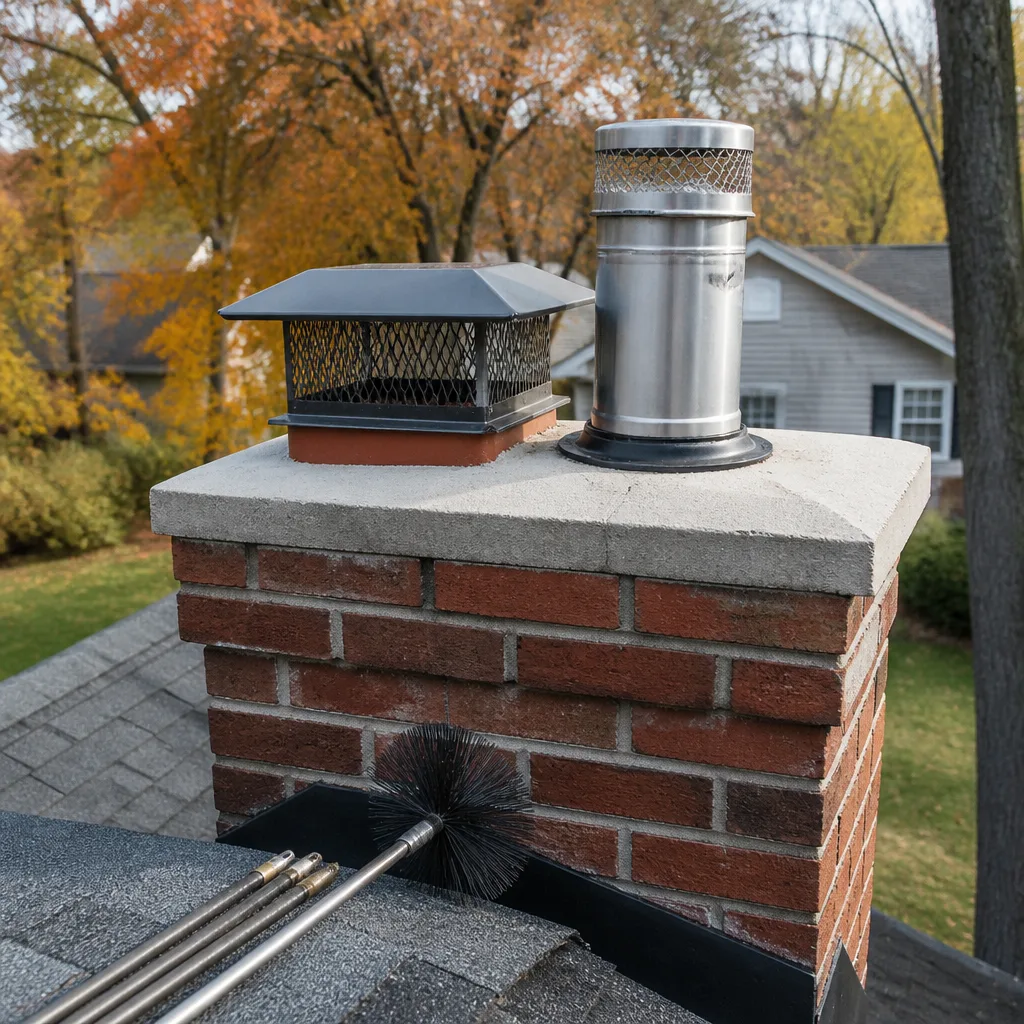 Sweep & inspection
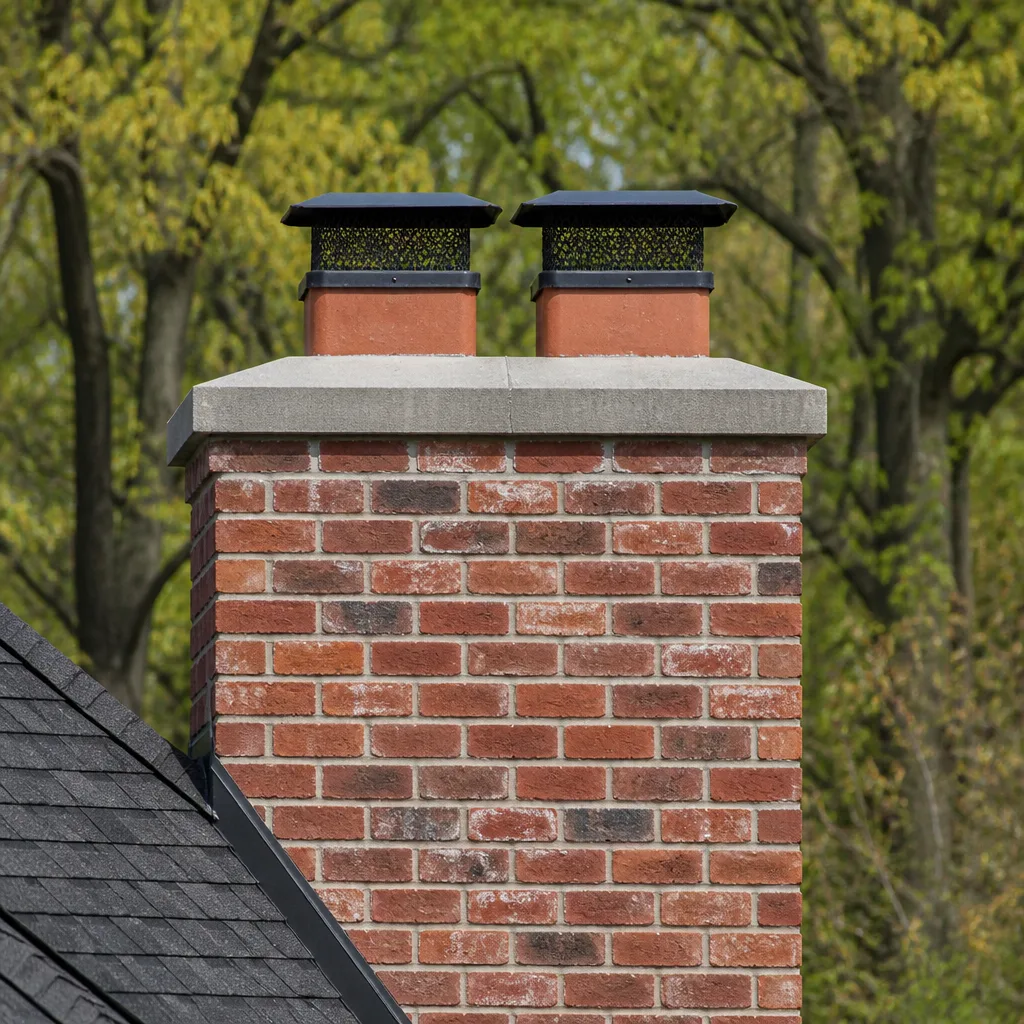 Caps & crowns
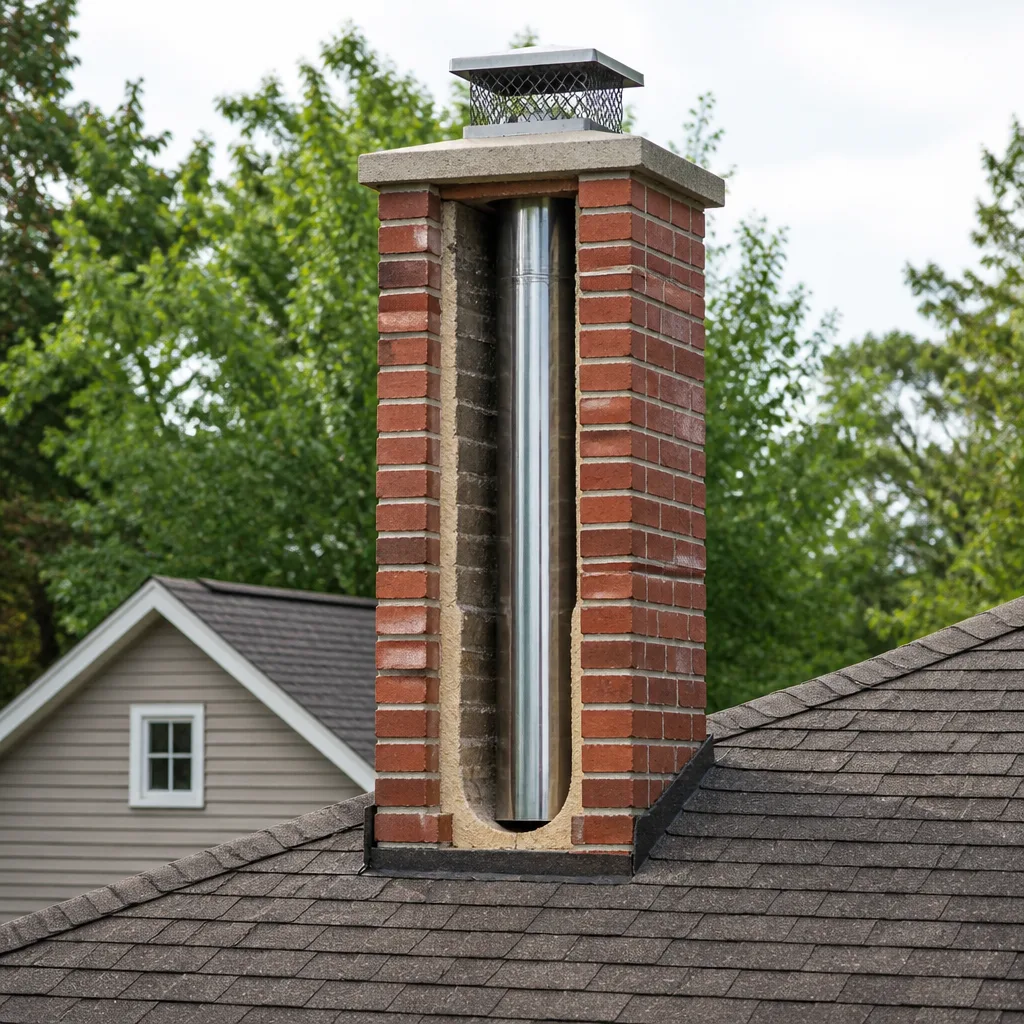 Flue relining
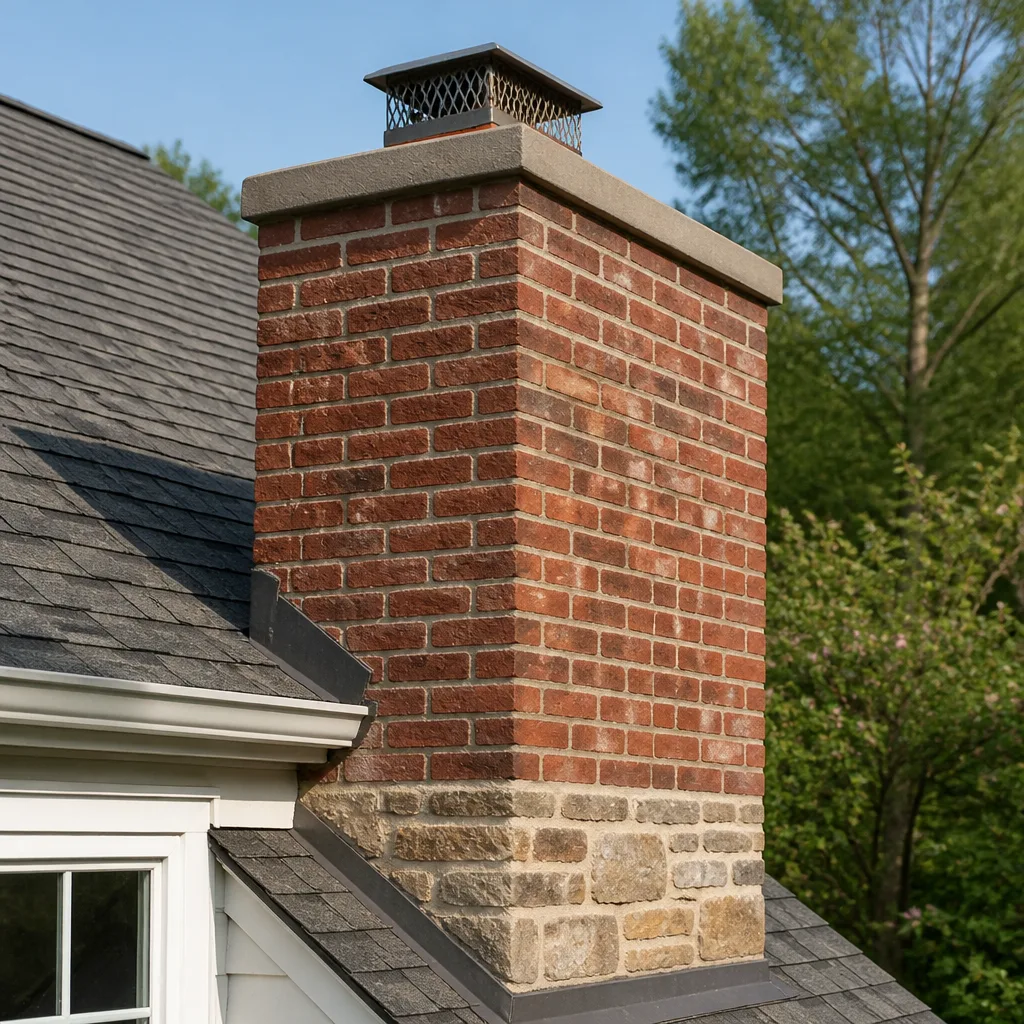 Masonry repair
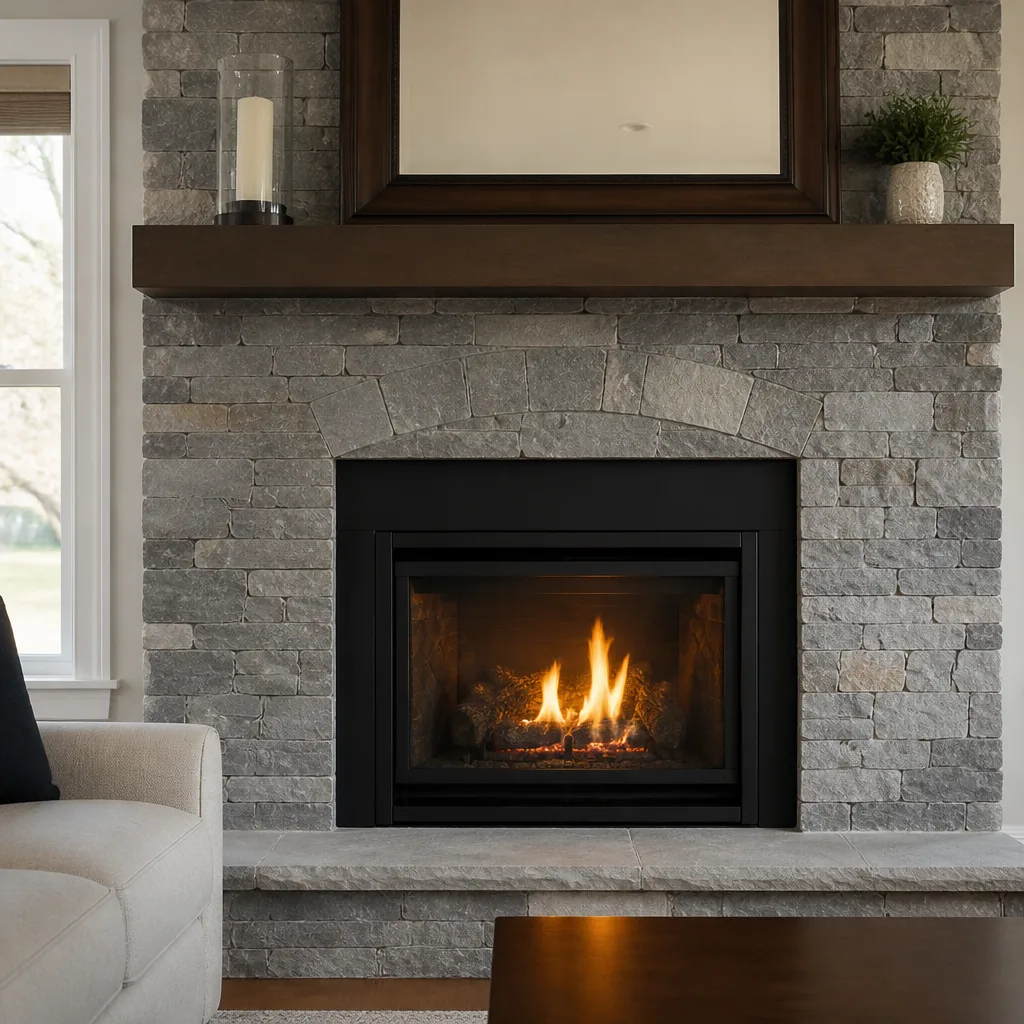 Gas fireplace service
Level 1 sweep and inspection to the NFPA 211 annual standard - flue, crown, cap, and flashing checked and photographed
Chimney sweep logs do not sweep chimneys. They loosen some creosote - which then falls where a brush and vacuum still have to collect it.
Chimney Sweep Maintenance Checklist for Hermitage Homeowners
The most dangerous items on a chimney maintenance checklist are the ones you can’t see from inside the house. A firebox that looks clean tells you nothing about a cracked flue liner three feet up, and a brick face that looks solid tells you nothing about what’s happening under the crown. Most checklists stop at “schedule a sweep” and leave the real failure points unexamined. This guide splits the work into two lanes: what you can check yourself with a flashlight, and what genuinely needs a trained eye and a camera. We’ll cover the specific problems Hermitage’s humid summers and hardwood canopy create, the right timing for each task, and the three steps homeowners skip that lead to the biggest repair bills.
Quick Answer
A proper chimney maintenance checklist for a Hermitage home has two parts. Homeowners should visually check the firebox, damper, exterior crown, and cap before the first fire of the season and after any storm with sustained winds over 40 mph. A professional should inspect liner integrity, the smoke chamber, and the flashing seal at least once a year. Skipping the pro side of that list is how a modest cleaning turns into a liner or masonry repair.
Styles & brands we work with
- Sweep & inspection
- Caps & crowns
- Flue relining
- Masonry repair
- Gas fireplace service
Table of Contents
- Why Hermitage Chimneys Fail Differently
- What Homeowners Can Check Themselves
- What Requires a Professional Inspection
- The Right Timing for Every Task
- The Three Items Homeowners Skip Most
- The Products Behind a Proper Repair
- Common Mistakes to Avoid
- When to Call a Professional
Why Hermitage Chimneys Fail Differently
Hermitage sits in a climate that works against masonry in slow, quiet ways. Summers here run humid for long stretches, and that moisture doesn’t just sit in the air. It moves into brick and mortar through tiny cracks and pores, then expands and contracts as temperatures swing between seasons. Over time that cycle shows up as white staining on the brick. Those chalky deposits are called efflorescence, and they’re a signal that water is migrating through the masonry and pushing mineral salts to the surface as it dries. Seeing them isn’t a reason to panic, but it is a reason to find out where the water is getting in.
The tree canopy matters too. Hermitage’s older neighborhoods have mature hardwoods that drop leaves, twigs, and seed pods straight onto roofs and into chimneys. A cap with a proper mesh screen keeps most of that out. An uncapped flue collects it, and a flue packed with debris doesn’t draft correctly. That means smoke that rolls back into the room instead of going up, and creosote that accumulates faster because combustion is poor.
Then there’s the damper plate. Cast iron and steel dampers rust when they sit in humid air through the off-season, especially in homes where the fireplace goes unused from spring to fall. A damper that sticks or no longer seals lets conditioned air escape up the flue year-round and lets cold air down in winter. It’s a small part with a real effect on how the whole system behaves.
Homes here also tend to sit on lots with clay soil that shifts with moisture. That movement can stress the chimney’s exterior where it meets the roofline, which is one reason flashing seals deserve a close look on a schedule rather than a glance. None of this is unique to any single house in Hermitage. It’s the pattern that shows up across the area, and it’s why a generic national checklist doesn’t quite fit a Hermitage chimney. For a full rundown of how a proper cleaning fits into all of this, see our chimney sweep page.
What Homeowners Can Check Themselves
You don’t need tools beyond a flashlight, a mirror on a stick, and a pair of binoculars. What you’re doing is looking for changes, not diagnosing them. If something looks different than it did last year, that’s your cue to book an inspection. Here are the visual checks worth doing before the first fire of the season.
- Firebox interior. Shine the light on the brick and the mortar joints behind and beside the fire. Look for cracked bricks, crumbling mortar, or gaps where the firebox meets the surround. Dark staining that goes beyond normal soot can mean smoke is escaping somewhere it shouldn’t.
- Damper operation. Open and close the damper by hand. It should move without grinding or sticking, and it should seat flat when closed. Rust on the plate is common after a humid summer. Heavy rust or a damper that won’t seal is worth flagging.
- Exterior crown. From the ground with binoculars, look at the concrete or masonry cap on top of the chimney. Any crack wider than a hairline, any piece that looks loose, or any gap where the crown meets the flue is letting water in.
- Chimney cap and screen. Check that the cap is still attached and the mesh is intact. A cap that’s bent, missing, or rusted through isn’t doing its job. This is also where you’ll see whether birds or squirrels have found a way in.
- Exterior brick and flashing. Look for the white staining mentioned above, and check the metal flashing where the chimney meets the roof. Lifted edges, missing sealant, or rust streaks below the flashing are all signs water is finding a path.
- Interior signs. Look at the ceiling and walls near the chimney for water stains, and check that the chimney’s exterior face isn’t pulling away from the house.
None of this replaces an inspection. What it does is give you a specific thing to point to when you call. “The crown has a crack on the north side” is more useful than “something might be wrong.”
What Requires a Professional Inspection
The items below can’t be judged from inside the house, and they’re where the real failures hide. A technician uses a camera to see up the flue and reads the condition of parts you can’t reach. A camera inspection and photo report should be part of any inspection you book, so you can see what the technician sees rather than taking it on faith.
- Flue liner integrity. The liner is what keeps combustion gases inside the chimney and away from the wood framing of the house. Cracks, gaps at the joints, and missing sections are serious. This is the single most important thing an inspection checks.
- Smoke chamber. The sloped area just above the damper is where smoke turns from vertical to diagonal. Its shape and smoothness determine how well the chimney drafts. Rough or heavily glazed smoke chamber walls slow smoke down and cause it to back up into the room.
- Flashing seal. The technician checks the metal flashing and its sealant from the roof, where you can’t safely go. A failed seal is one of the most common sources of hidden water damage.
- Creosote level and type. Creosote builds in stages. A light, flaky layer is normal between cleanings. Glazed, hardened creosote is a fire hazard and needs professional removal. Only an inspection tells you which you have.
- Crown and cap condition up close. What looks like a hairline crack from the ground can be a real opening when viewed from a ladder.
- Draft performance. The technician checks that the chimney pulls correctly, which ties back to flue size, cap condition, and how much debris has accumulated.
We offer chimney inspections as a standalone service, not just as an upsell attached to a cleaning. That means you can get an honest baseline on your chimney before anyone recommends a single repair. Inspection first, recommendation second. It’s a simple principle, and it’s the one we build the whole checklist around. If the inspection turns up fireplace issues, our fireplace repair service handles the firebox and damper side of the work.
The Right Timing for Every Task
“Do it in the fall” is too vague to act on. Chimney maintenance has specific trigger points, and hitting them makes the difference between a routine cleaning and an emergency repair. Here’s how we’d schedule the work on a Hermitage chimney.
Before the first fire of the season
This is the anchor point for everything. Book the professional sweep and inspection before you light the first fire in the fall. That gives the technician a chance to find and fix problems before they’re tested under heat. It also means any creosote from the previous season is removed before you add a new layer on top of it. Do the homeowner visual checks in the same window, so the whole picture comes together at once.
After any storm with sustained winds over 40 mph
High winds are the main cause of dislodged caps, loosened flashing, and cracked crowns. You don’t need a full inspection after every gust, but a storm with sustained winds over 40 mph is a real reason to walk outside with binoculars and check the cap, crown, and flashing. If anything looks off, book an inspection. It’s much cheaper to reseal flashing than to repair water damage months later.
After a long humid stretch in summer
Hermitage’s summer humidity is the season when dampers rust and moisture works its way into masonry. Late summer is a good time for the homeowner checks, so you walk into fall knowing the damper still works and the exterior hasn’t changed.
Whenever you change how you use the fireplace
Switching from occasional fires to regular burning, or burning a different type of wood, changes how fast creosote accumulates. If your habits change, the cleaning schedule should too. There’s no fixed rule that fits every household; a professional sweep can tell you how quickly your chimney is building up and adjust the interval accordingly.
Every year, no matter what
Annual inspection and cleaning is the baseline. Some homes can stretch it a little, especially with light use and well-seasoned wood. But a chimney that goes two or three years untended is a chimney where a small problem has time to become an expensive one.
The Three Items Homeowners Skip Most
Across the inspections we do in Hermitage, a handful of items are skipped far more often than the rest. They’re also the ones tied to the biggest repair bills, not because the items themselves are expensive, but because the damage they prevent is. If you remember nothing else from this guide, remember these three.
1. Cap inspection
The cap sits at the top of the chimney, out of sight, and it’s the easiest thing to ignore until something goes wrong. A missing or damaged cap lets rain, debris, and animals straight into the flue. Water in the flue accelerates rust and liner damage, and debris blocks the draft. Caps come in a range of materials and fits, and a properly sized cap from a maker like Gelco, Famco, or Olympia Chimney does far more than a generic hardware-store cover. Check the cap every year, and replace it when the mesh is compromised or the top is rusted.
2. Smoke shelf cleaning
The smoke shelf is the horizontal ledge just behind the damper. It’s where soot, ash, and debris collect, and where creosote can build up out of easy reach. A sweep that only clears the firebox and the lower flue leaves the smoke shelf dirty. Over time that buildup narrows the smoke path and hurts draft. A proper cleaning reaches the smoke shelf every time. If a sweep finishes in a few minutes and never goes near the damper, that’s a sign the job wasn’t complete.
3. Firebox joint repointing
The mortar joints between firebox bricks take the most heat in the whole system. When those joints crumble, hot gases can reach the brick behind them, and eventually the framing around the firebox. Repointing the joints is a small, contained repair when it’s caught early. Left alone, the damage spreads into the firebox structure. This is where our fireplace repair work picks up; it’s also why a visual check of the firebox belongs on your list even if you never touch anything else.
The Products Behind a Proper Repair
When the inspection turns up a problem, the fix is only as good as the materials behind it. This is where a lot of chimney work goes sideways: a sweep cleans the flue, spots a failing liner, and either walks away or patches it with something that won’t last. We take a different approach. We use professional-grade materials from the brands trade contractors rely on, and we name them so you know what’s going into your chimney.
- DuraFlex flexible liners. When a liner is failed or absent, a stainless steel flexible liner is often the right fix. DuraFlex systems address one of the most serious chimney safety issues with a proven product.
- HeatShield flue restoration. Not every failing liner needs full replacement. HeatShield is a ceramic repair system designed to restore a deteriorating liner in place, which can be a cost-saving option that a sweep-only company can’t offer. It’s a documented alternative with its own product warranty, and it’s worth asking about before you assume a liner replacement is the only path.
- Crown coatings and sealants. Crown repairs need a coating that bonds to masonry and holds up to weather. We work with established masonry products rather than a generic caulk that fails within a season.
- Stainless steel chase covers and caps. Stainless resists the rust that causes ugly streaks down a chimney’s face and keeps caps and chase covers functional for far longer than painted steel.
- Caps from Gelco, Famco, and Olympia Chimney. A properly fitted cap from a maker that builds chimney components is a different product from a one-size cover. The fit matters as much as the material.
We don’t list these names to impress you. We list them so you can compare what we install against what another company quotes. If a quote doesn’t name the product, ask what it is. “A cap” and “a DuraFlex liner” are answers to very different questions. Our chimney cap & crown service covers the cap and exterior work in detail.
Common Mistakes to Avoid
- Treating a sweep and an inspection as the same thing. A sweep removes creosote. An inspection reads the condition of the liner, smoke chamber, and flashing. A company that only sweeps and leaves hasn’t told you whether your chimney is safe to use. Book the inspection.
- Putting a cap on without checking the flue first. A cap traps moisture if the flue is already wet inside. Check the interior condition before you seal the top, or the cap becomes part of the problem.
- Ignoring white staining on the brick. Efflorescence is easy to write off as cosmetic. It’s usually a sign water is moving through the masonry, and it gets worse until the source is found.
- Burning unseasoned or green wood. Wet wood burns cooler and produces far more creosote. In Hermitage’s humid climate, wood that’s been stacked uncovered absorbs moisture quickly. Season it covered, and burn it dry.
- Skipping the after-storm exterior check. Sustained winds over 40 mph are a real reason to look at the cap, crown, and flashing. Most storm damage is minor when caught early and expensive when it’s discovered after a wet season.
- Letting a stuck damper go. A damper that won’t seal wastes energy year-round and is a sign of rust or a bent frame. It’s a small fix that’s easy to put off indefinitely.
- Hiring a company that won’t show you what it found. If nobody shows you a camera image or a photo of the problem, you have no way to judge whether the recommended work is needed. A camera inspection and photo report should come with the visit.
When to Call a Professional
Some chimney jobs are routines you can schedule. Others aren’t. Call us when you smell smoke in the room while a fire is burning, when the draft is weak or the fire struggles to catch, or when smoke rolls back into the room when you open the damper. Call when you see white staining spreading on the exterior brick, when a damper sticks or won’t seal, or when the firebox has cracks or crumbling joints. Any chimney that hasn’t been inspected in a year deserves a check regardless of how it looks on the surface. And if a storm with sustained winds over 40 mph moved through your neighborhood, a look at the cap, crown, and flashing is worth the call. We’ve seen plenty of Hermitage chimneys where a small, caught-early issue would have stayed small. The inspection is where that happens. A call to Chimney Sweep Hermitage gets you an honest look at what’s actually going on, with a camera inspection and photo report so you can see it yourself. Call (877) 792-7308 for a free estimate in Hermitage. We answer 24/7. Fast dispatch from 7am to 7pm, Sunday through Friday.
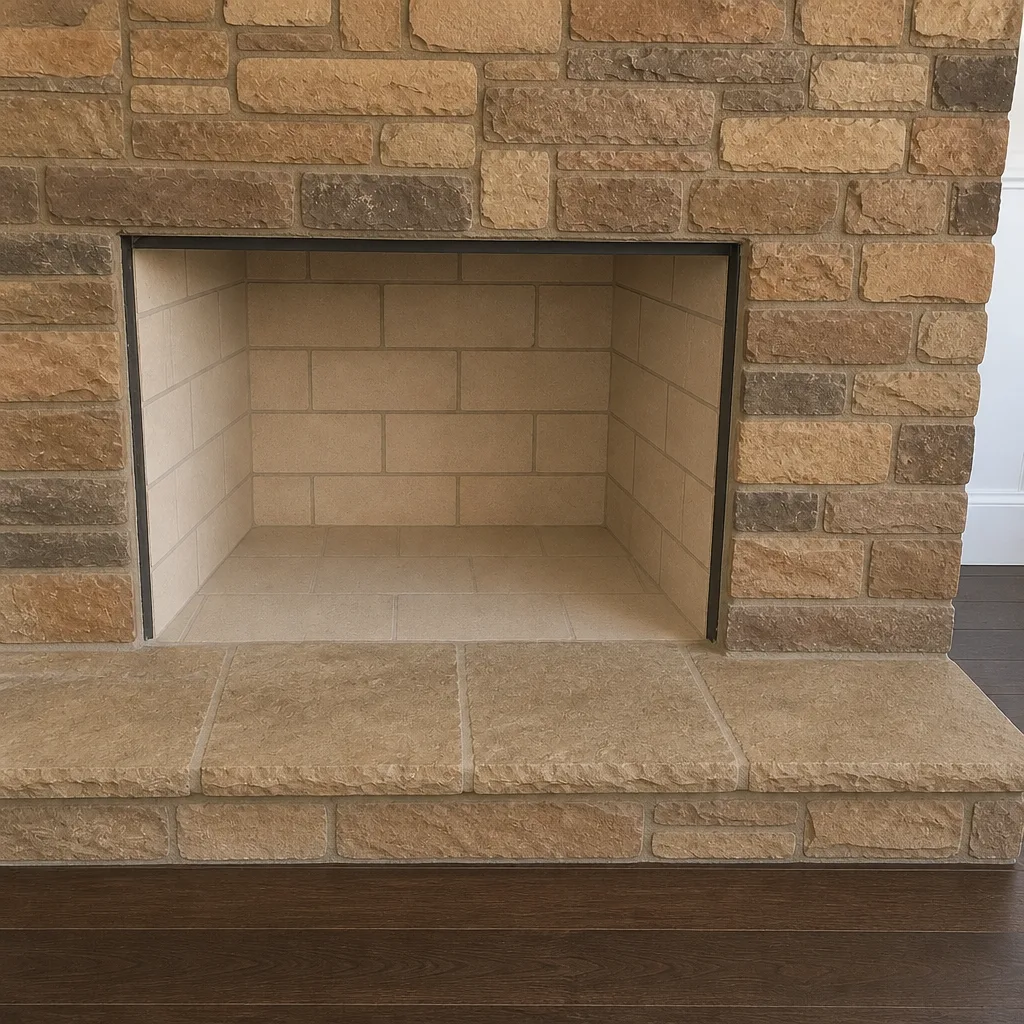
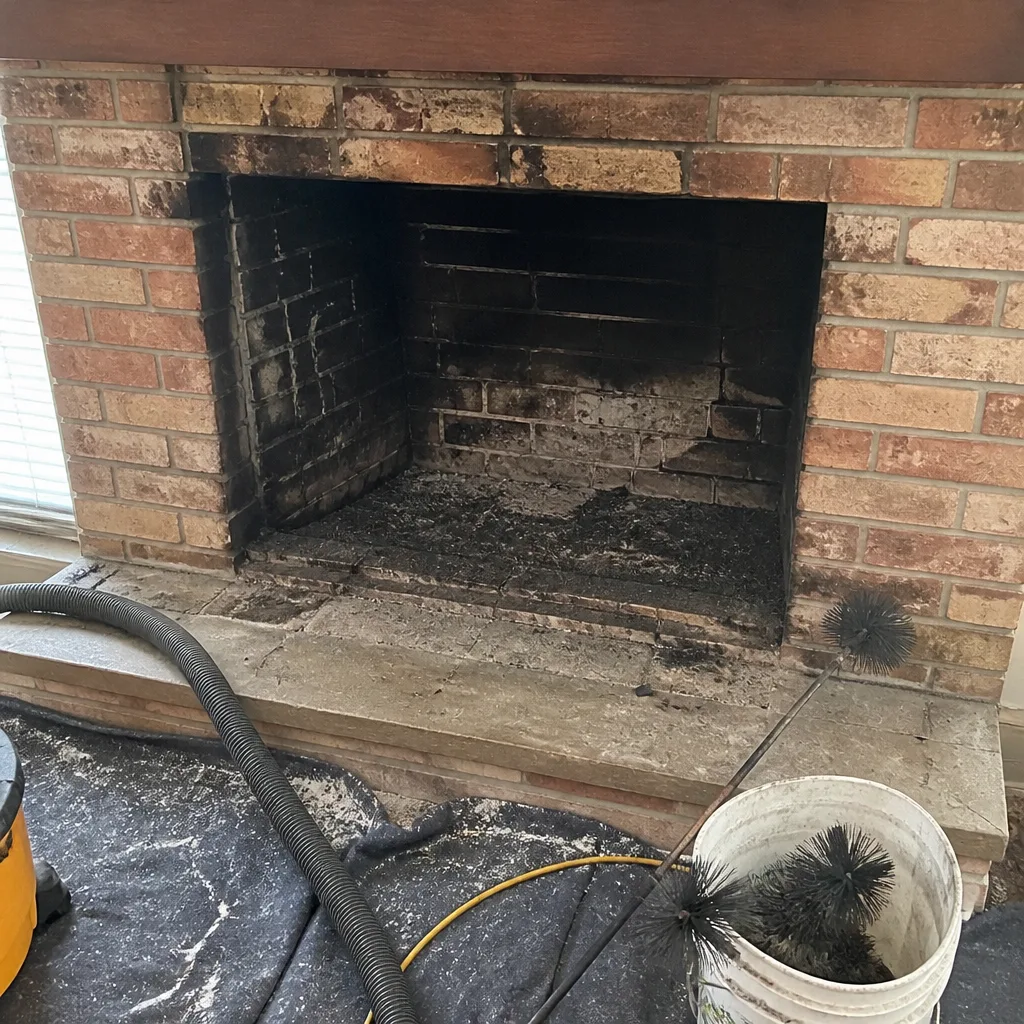
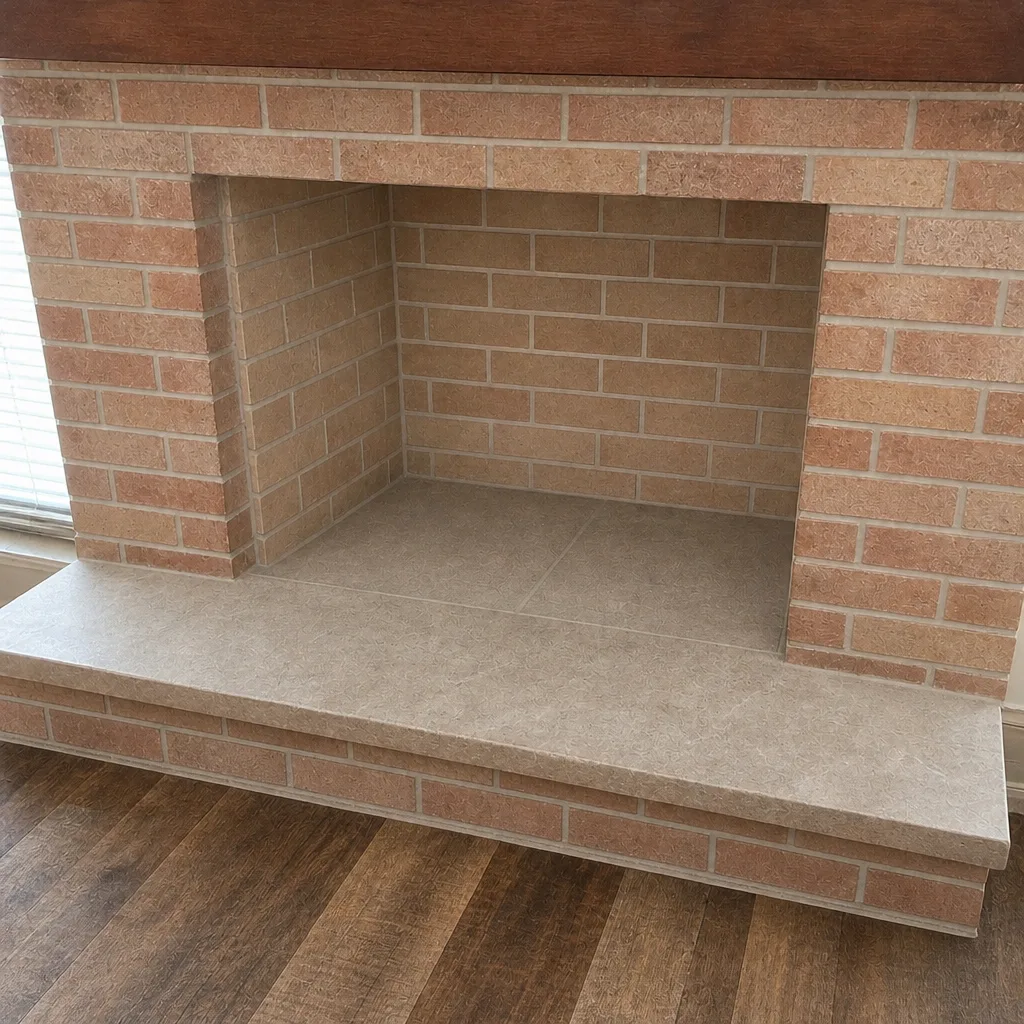
See the difference
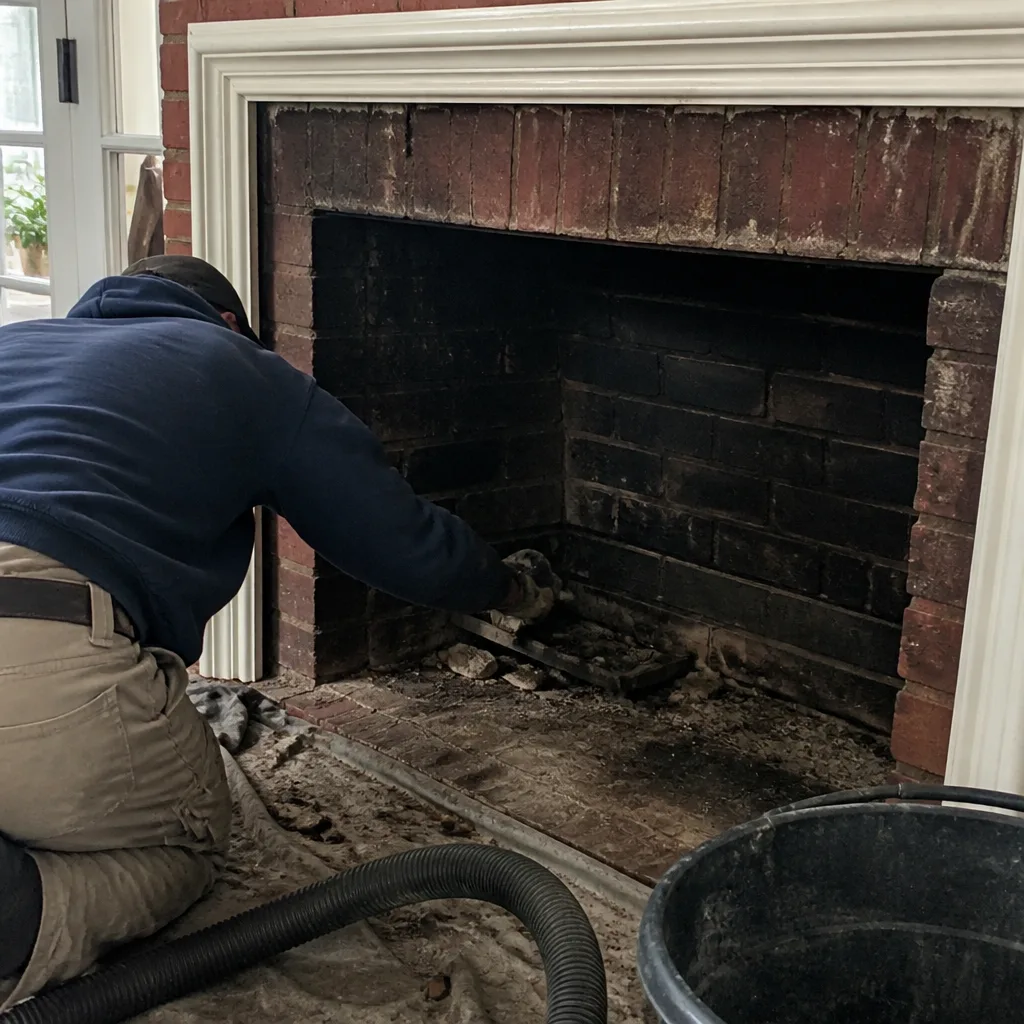 Before
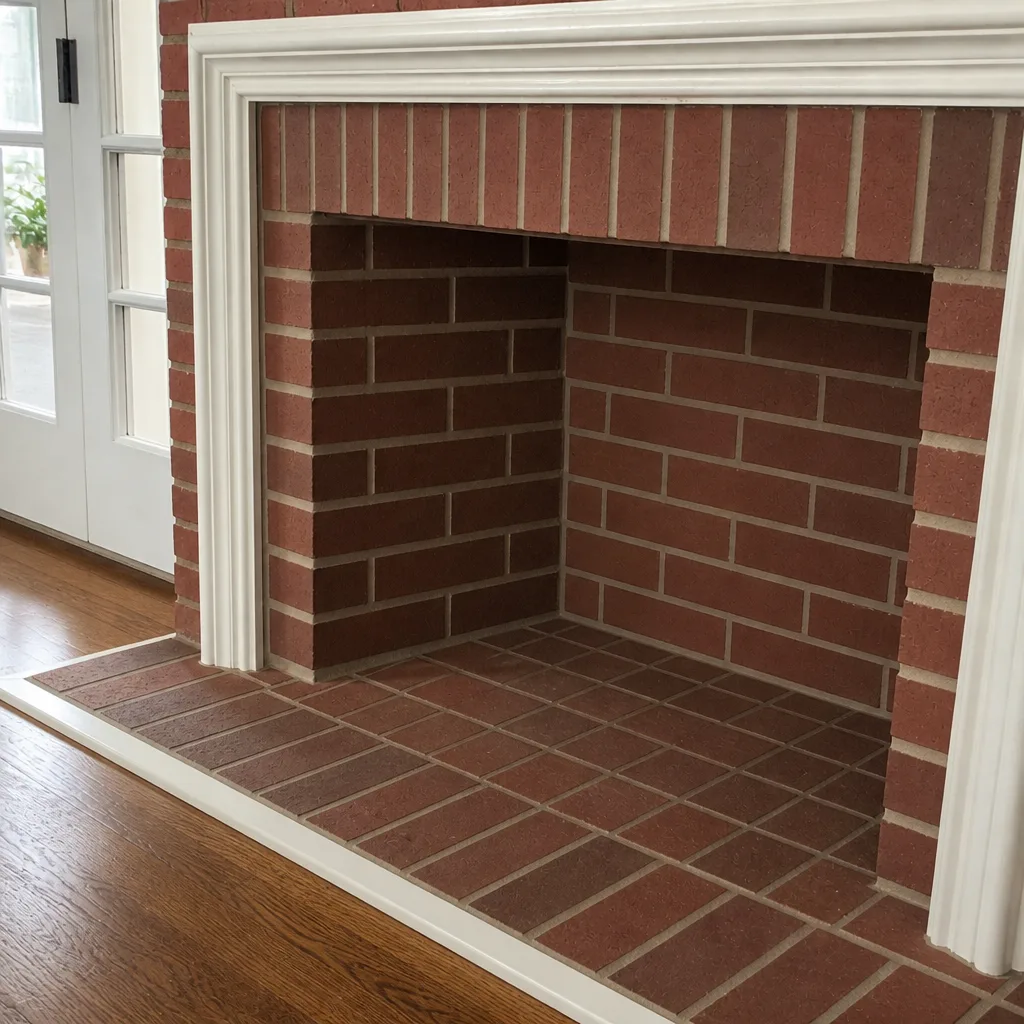 After
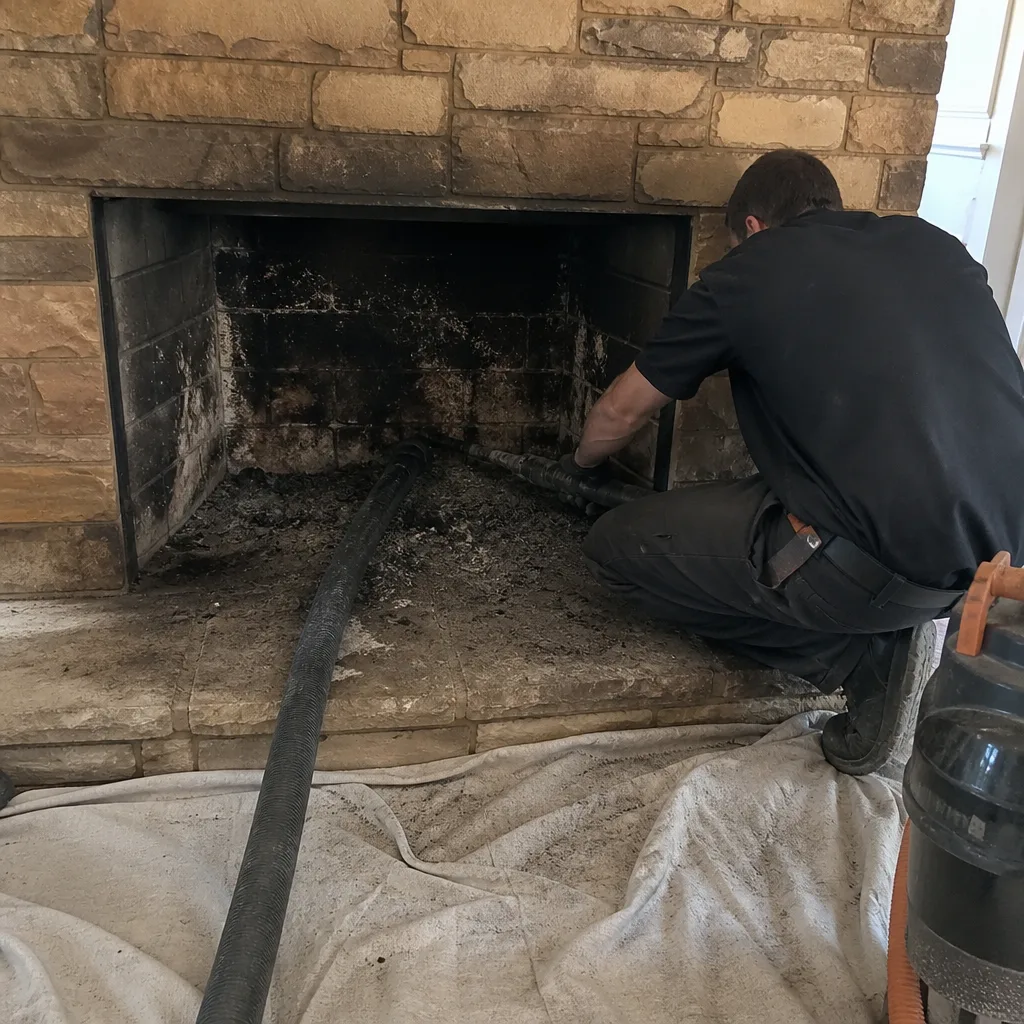 Before
 After
 Before
 After
Frequently Asked Questions
Most homes should be swept and inspected once a year. A household that burns regularly through the winter may need a cleaning mid-season as well, depending on how much creosote builds up. Light users with well-seasoned wood can sometimes go a bit longer, but the annual inspection should still happen. Call (877) 792-7308 for a free estimate and we’ll tell you what interval fits your fireplace.
Routine sweeping and inspection are typically priced per job, and the written estimate you receive before any work begins sets the final price. We don’t quote a flat number over the phone because the condition of the chimney matters, and so does whether you need just a sweep or a sweep plus inspection. Nothing is added after the fact. Call (877) 792-7308 for a free estimate.
Not always. A cracked or deteriorating liner sometimes needs full replacement with a flexible stainless system like DuraFlex, but not every liner problem calls for that. HeatShield is a ceramic repair system designed to restore a failing liner in place, and it can be the right answer when the damage is within its range. The decision should follow a camera inspection, not a guess. Ask to see the images before you agree to anything. Call (877) 792-7308 to book an inspection.
Usually nothing dramatic happens in a single skipped year, and sometimes that’s the honest answer. The risk is that small issues – a hairline crown crack, a loosened flashing seal, a bit of creosote buildup on the smoke shelf – have a full year to grow. Most of the serious chimney problems we see started as small ones that went unaddressed for a couple of seasons. Skipping one item isn’t a crisis. Skipping the whole checklist year after year is where the big repair bills come from. Call (877) 792-7308 to get back on track.
Sweeping a chimney yourself is possible, but it’s also where people get hurt and where liners get damaged by improper brushes. The bigger issue is that a homeowner sweep can’t tell you whether the liner is intact or whether the smoke chamber has glazed creosote. That’s the part that matters for safety. A proper cleaning is anchored by an inspection, and the inspection is what you can’t do yourself. Call (877) 792-7308 for a cleaning and inspection done together.
That white powder is efflorescence, and it means water is moving through the brick and leaving mineral deposits behind as it dries. It shows up on a lot of Hermitage chimneys after humid summers. The powder itself is harmless, but it’s telling you there’s a moisture path into the masonry, and that path usually traces back to the crown, flashing, or a crack in the brick. Finding and sealing the source is the fix. Call (877) 792-7308 for an inspection to locate the moisture.
The Bottom Line
A chimney maintenance checklist only works if it covers both lanes. The homeowner checks – firebox, damper, crown, cap, exterior brick, flashing – give you the early warning signals and tell you when to book an inspection. The professional side – liner, smoke chamber, flashing seal, creosote – is what tells you whether the chimney is actually safe to burn. The three items homeowners skip most, cap inspection, smoke shelf cleaning, and firebox joint repointing, are the ones tied to the most expensive repairs when they’re left alone. Hit the annual inspection before the first fire, check the exterior after any sustained-wind storm, and address what you find rather than putting it off. If you want the whole checklist handled in one visit by people who name the products they install, call us.
Call (877) 792-7308 for a free estimate. We answer 24/7. Fast dispatch from 7am to 7pm, Sunday through Friday. Our technicians have up to 9 years of experience, and Chimney Sweep Hermitage covers the full chimney lifecycle: from the routine Chimney Sweep Hermitage visit you book this fall through any repair the inspection turns up. If you’re near Hermitage and want the checklist done right the first time, we’re a phone call away.
Written by the team at Chimney Sweep Hermitage.