
Last updated November 24, 2026
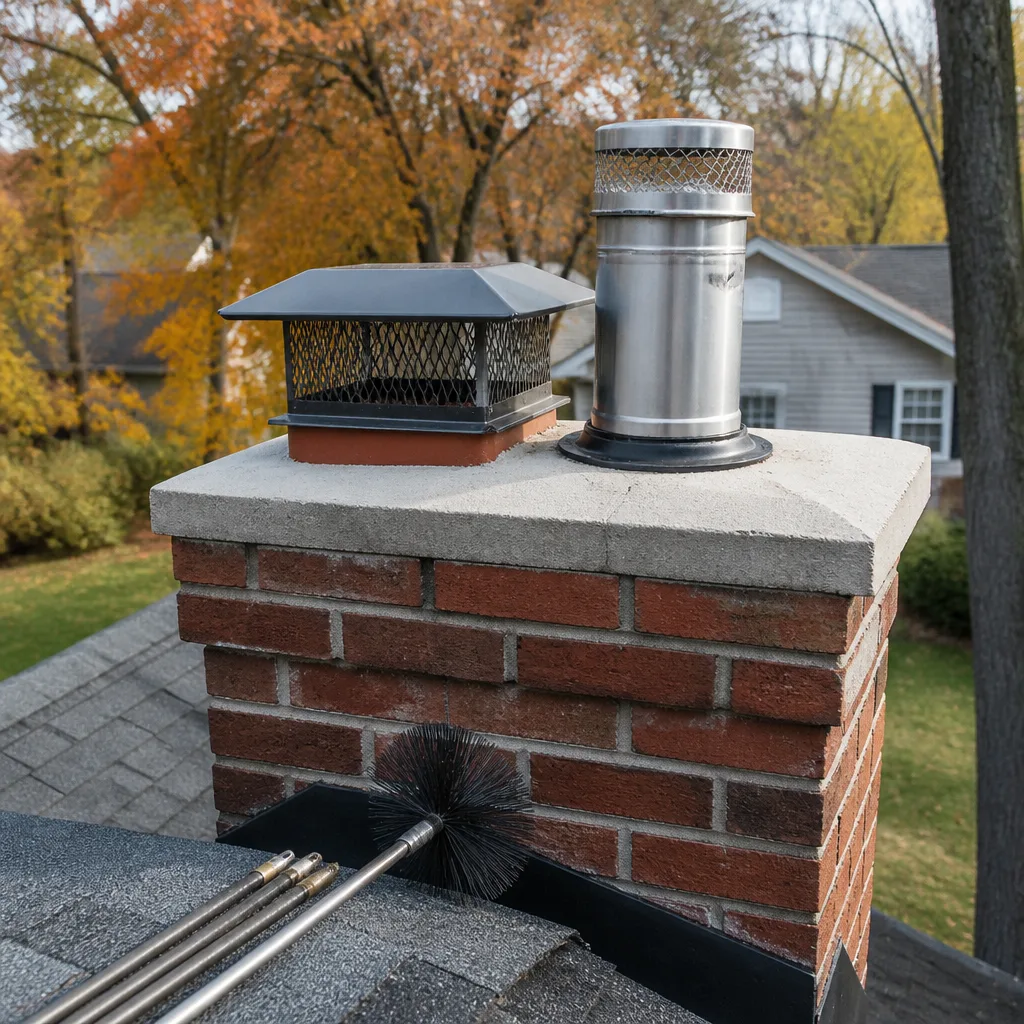 Sweep & inspection
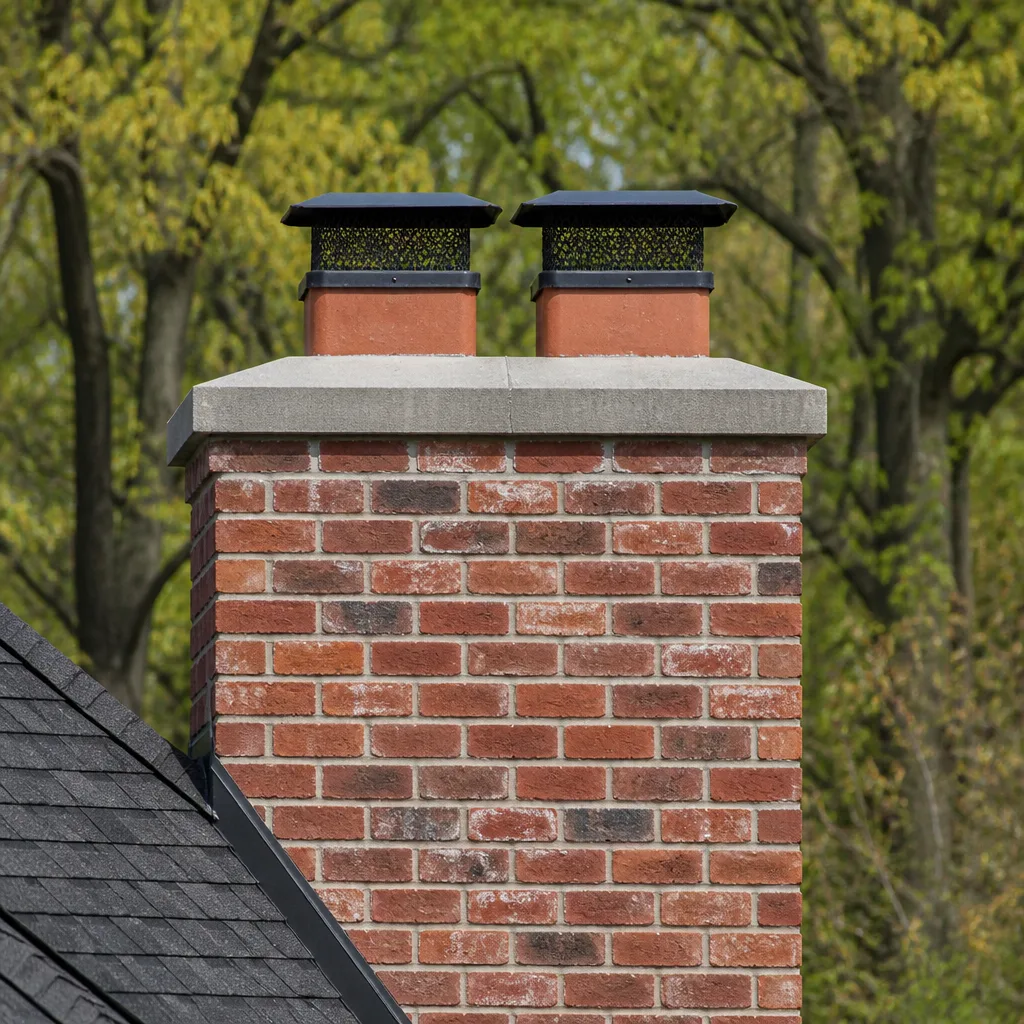 Caps & crowns
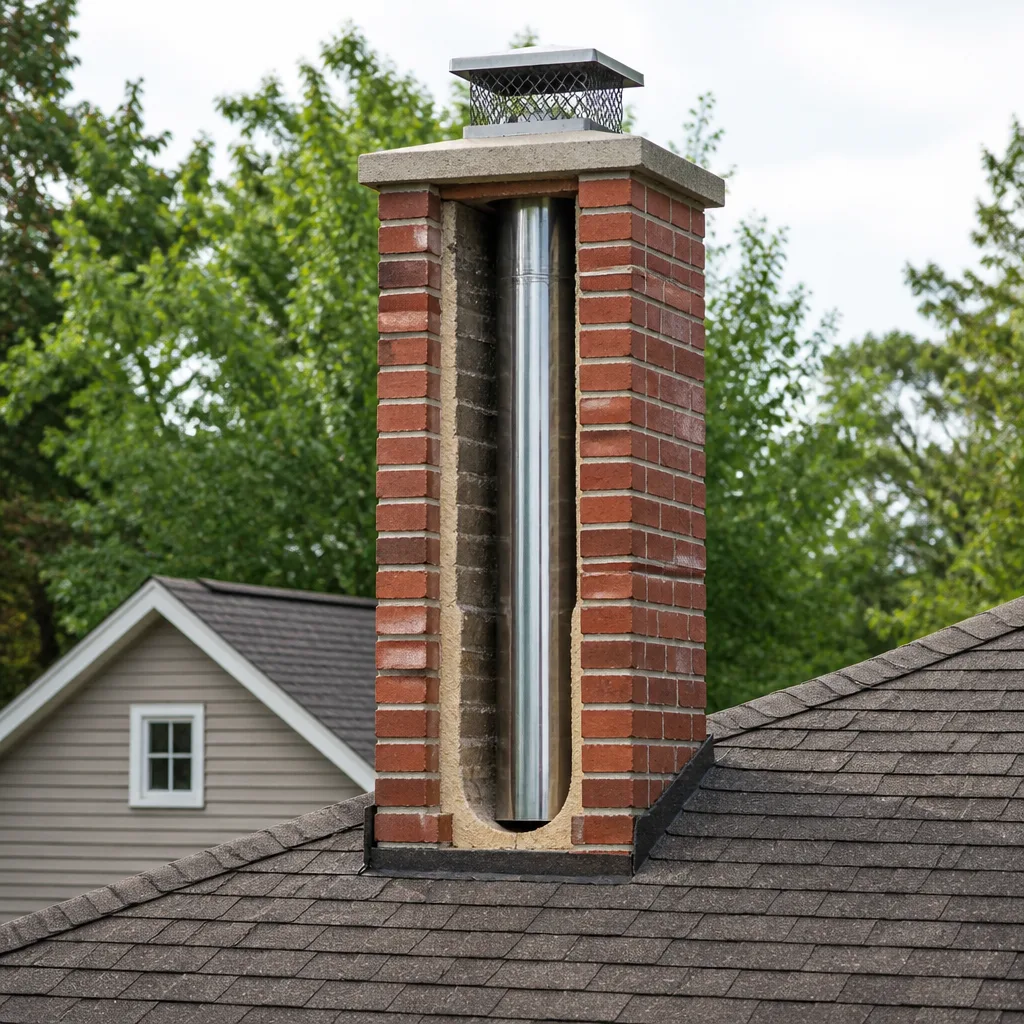 Flue relining
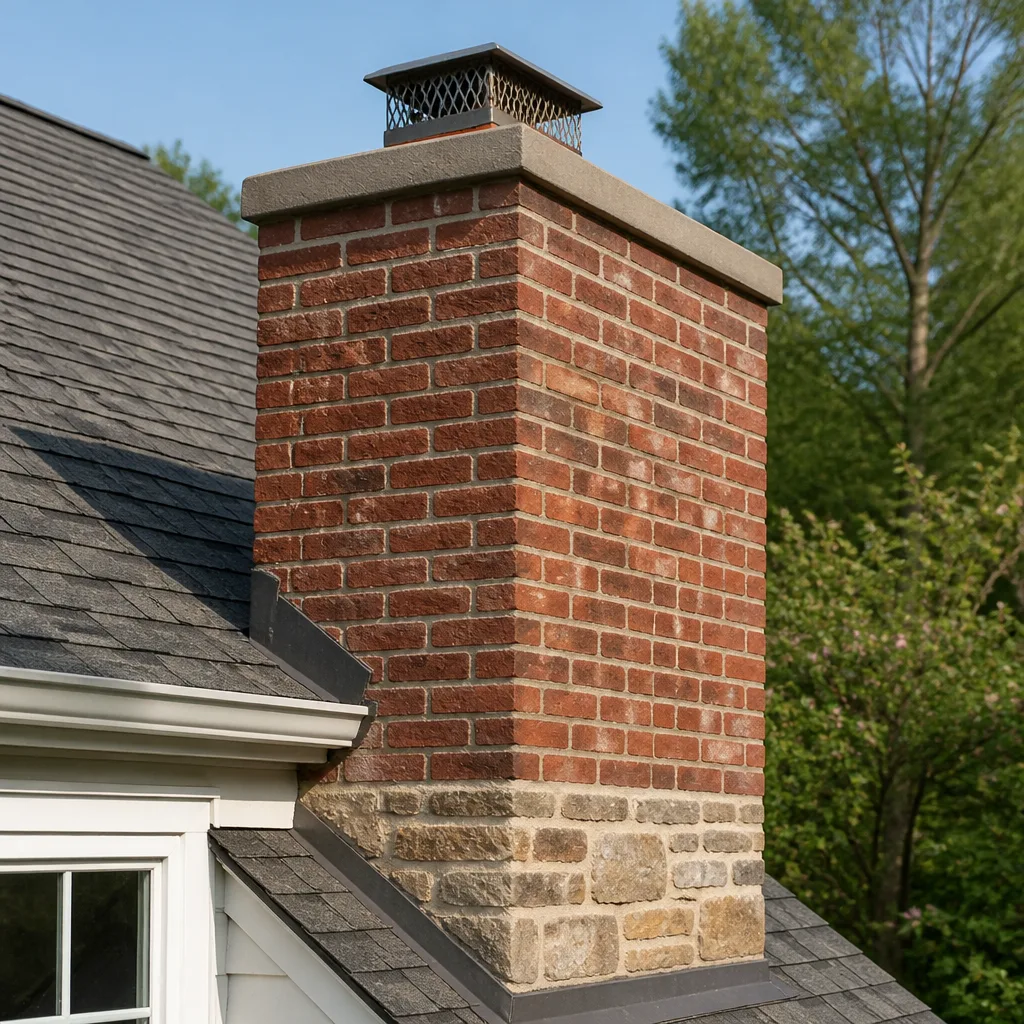 Masonry repair
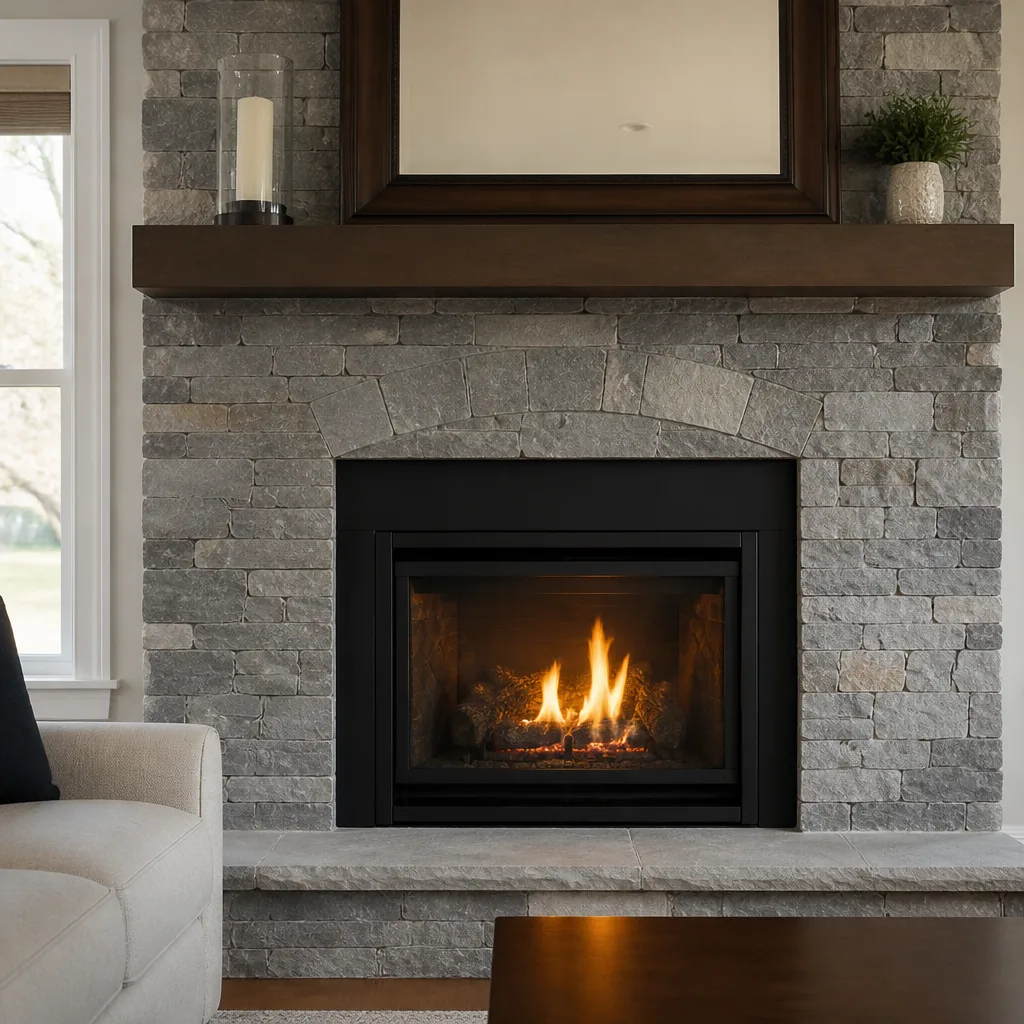 Gas fireplace service
Level 1 sweep and inspection to the NFPA 211 annual standard - flue, crown, cap, and flashing checked and photographed
Chimney sweep logs do not sweep chimneys. They loosen some creosote - which then falls where a brush and vacuum still have to collect it.
The Complete Guide to Chimney Cleaning in Hermitage
A chimney can pass a look-over from the ground, show no smoke on the wall, and still be a fire hazard. That’s because the creosote responsible for most chimney fires doesn’t always sit where you can see it from the firebox opening. It hides in the smoke chamber, coats the flue above the damper, and glazes onto the liner in layers a flashlight never reveals. In Hermitage, where humid summers and sudden cold snaps work on a chimney year-round, understanding what actually gets cleaned and why the order matters is the difference between a safe system and a hidden risk. This guide maps the whole system.
Quick Answer
Chimney cleaning in Hermitage means removing creosote, soot, and blockages from the firebox, smoke chamber, smoke shelf, and flue, then inspecting the liner and chimney structure with a camera before anything is recommended. A proper cleaning is a diagnostic service, not just a brushing, and it should include a Level 1 inspection with photo evidence of what we find. How often you need it depends on how much you burn, but annual inspection is the baseline most chimney professionals recommend.
Styles & brands we work with
- Sweep & inspection
- Caps & crowns
- Flue relining
- Masonry repair
- Gas fireplace service
Table of Contents
- Why Chimney Maintenance in Hermitage Is a System, Not an Event
- The Three Stages of Creosote and What Each One Requires
- What a Full Chimney Cleaning Actually Includes
- The Tools That Separate a Real Cleaning From a Brush-and-Go
- Hermitage-Specific Chimney Problems: Humidity, Spalling, and Wildlife
- CSIA-Certified Sweeps vs. Handymen Who Add Chimney Cleaning
- How Often Should You Schedule Chimney Cleaning in Hermitage?
- Inspection First, Recommendation Second: How the Sequence Protects You
Why Chimney Maintenance in Hermitage Is a System, Not an Event
Most homeowners think of chimney cleaning as a chore you knock out once and forget. That framing misses how a chimney actually ages. A chimney is a stack of connected parts: the firebox, the damper, the smoke shelf, the smoke chamber, the flue liner, the crown, and the cap. Each one affects the others. When the crown cracks, water gets into the masonry, and that water finds its way to the liner. When the cap is missing or damaged, wildlife moves in and blocks the flue. When the liner spalls, the flue no longer contains heat the way it should.
Hermitage sits in a climate that pushes on all of these at once. Summers here are humid enough that masonry holds moisture for weeks. Then a cold front arrives fast, the temperature drops, and that trapped moisture freezes and expands inside the brick and mortar. Over a few seasons, that freeze-thaw cycle loosens mortar joints and causes the white, chalky staining called efflorescence on the chimney’s exterior. A cleaning that ignores these signals is only doing half the job.
This is why we treat cleaning and inspection as one visit. The brush clears the flue; the camera and the eyes tell us what the brush can’t. Full-service chimney care means the sweep, chimney cap & crown condition, liner integrity, and fireplace components get looked at together, because a problem in one nearly always shows up as a symptom in another. A homeowner who understands that system makes better decisions about what to fix now and what can wait.
The practical takeaway: schedule chimney cleaning in Hermitage with the expectation that it includes a real inspection, not just a brushing. If a sweep finishes in fifteen minutes and hands you a bill without a report, you haven’t had the service the chimney needed.
The Three Stages of Creosote and What Each One Requires
Creosote is the residue left behind when wood smoke cools on its way up the flue. It doesn’t form all at once and it doesn’t form the same way twice. Chimney professionals recognize three distinct stages, and each one calls for a different level of intervention. Understanding the difference explains why some cleanings are straightforward and others turn into a restoration job.
Stage 1: Sooty, Flaky Creosote
This is the fresh stuff. It looks like black soot or thin flakes and brushes off easily with a standard chimney brush. Stage 1 builds up when a fire burns hot and the flue stays warm enough to carry smoke out before it condenses. It’s the most common stage found in well-used fireplaces and the one most cleanings address.
Stage 2: Crusty, Brittle Creosote
When a fire burns cooler or the wood is wet, smoke lingers and condenses into a thicker, tar-like layer. Stage 2 creosote dries into a crust that clings to the liner. A standard brush skips over it. Removing it takes rotary cleaning equipment with the right cutting heads, and sometimes chemical treatment to soften the crust first.
Stage 3: Glazed Creosote
The most serious stage looks like a hard, shiny, glassy coating fused to the flue wall. Glazed creosote forms when repeated cool, smoldering fires bake the tar layer by layer. It’s dense, it’s highly combustible, and no standard brush will touch it. Stage 3 requires professional rotary systems or chemical agents designed to break it down, and in some cases the liner itself has been compromised and needs assessment for replacement.
Why does this matter in Hermitage? The humid summers mean firewood stored outdoors can hold moisture longer than homeowners expect. Wet wood burns cool, produces more smoke, and speeds creosote formation. If your firewood has been sitting out through a wet season, the creosote inside your flue may be further along than you think. That’s why an inspection with a camera should come before any recommendation about liner work: what stage the creosote is in determines the plan.
What a Full Chimney Cleaning Actually Includes
A full cleaning is more than the flue. Smoke, soot, and creosote deposit across several parts of the chimney, and a thorough job addresses each one. Here’s what a complete service should cover.
- Firebox: The firebox floor, walls, and damper area are cleared of ash, soot, and leftover debris. This is where a lot of the visible mess lives.
- Damper: The damper is checked for smooth operation and cleared of soot that can jam it open or closed.
- Smoke shelf: That ledge just above the damper catches soot, ash, and sometimes debris dropped by nesting animals. It’s one of the most overlooked spots in a quick cleaning.
- Smoke chamber: The sloping area above the shelf where smoke gathers before entering the flue. It’s large, it’s hard to reach, and it’s where a lot of creosote hides. A camera view here is essential.
- Flue: The full length of the flue is brushed from the top or bottom depending on the setup, removing creosote and soot from the liner walls.
- Flue liner inspection: After brushing, a camera is run through the flue to inspect the liner for cracks, gaps, spalling, and creosote that the brush couldn’t remove.
- Chimney cap and crown check: The cap and crown are examined for damage that lets water or wildlife in.
Notice that a full service ends with an inspection, not just a cleaning. If the chimney hasn’t been looked at in years, we may recommend a chimney inspection as a standalone step before any repair work is quoted. That’s a deliberate choice: inspection first, recommendation second. Nothing gets recommended without camera evidence you can see for yourself.
If the liner shows damage, the repair options depend on severity. Minor surface deterioration can sometimes be addressed with a ceramic restorative system like HeatShield, which repairs and smooths the liner from the inside. More serious damage or a missing liner usually means a new flexible liner system, such as a DuraFlex installation. The point is that the cleaning and the inspection together decide the path, not a sales sheet.
The Tools That Separate a Real Cleaning From a Brush-and-Go
The tools a technician carries tell you what kind of service you’re getting. A standard wire brush and a shop vacuum will remove Stage 1 creosote from an accessible flue. That’s the toolset of a handyman offering chimney cleaning as an add-on. A professional chimney service needs more, and here’s what that looks like.
- Rotary cleaning systems: Flexible rods with interchangeable heads that spin against the flue wall. Rotary systems reach the corners and bends a straight brush misses, and the correct heads break up Stage 2 crust. A common choice is the SootEater rotary cleaning system, which spins a whip head through the flue without the heavy impact of rigid rods. It’s what lets a technician clear glazed creosote without damaging the liner.
- Hepa-filtered vacuums: Chimney cleaning produces fine soot that a shop vac pushes back into the room. A HEPA-filtered vacuum pulls it out of the air and keeps your living space clean while the work happens.
- Flue cameras: A camera on a flexible rod shows the technician and the homeowner the inside of the flue. It’s the difference between “I think the liner looks fine” and a photo report you can review.
- Chemical treatments: For stubborn Stage 2 and Stage 3 creosote, chemical agents soften and break down the coating before rotary cleaning. This is where a lot of sweep-only companies stop and hand you a liner replacement quote instead.
- Proper drop cloths and containment: The physical protection matters. A technician who doesn’t seal the firebox opening and lay proper floor protection is going to leave a mess.
Consumer-grade brushes and the drill-attached bits sold at hardware stores can’t handle glazed creosote, and using them wrong can gouge a clay liner. That damage is expensive to fix, and it’s often invisible until the next inspection. This is one of the reasons we’re a full-service chimney specialist and not a generalist: the materials and tools have to be right for the job, and the products we install come from the brands chimney professionals actually use, like Copperfield and Olympia Chimney for caps, and DuraFlex and HeatShield for liner work.
Hermitage-Specific Chimney Problems: Humidity, Spalling, and Wildlife
Some chimney problems are universal. Others are shaped by where you live. In Hermitage, three issues come up again and again, and they all interact with the chimney cleaning and inspection process.
Humidity-Driven Liner Spalling
Hermitage summers are humid. Masonry absorbs moisture from the air and from rain that finds its way into cracks and around the crown. When that moisture is trapped inside a clay flue liner, it can cause the liner to spall, meaning flakes and chunks separate from the surface. Spalling liners are a fire risk: the flue no longer presents a smooth, intact surface to contain heat and gases. A camera inspection during cleaning is how we catch spalling before it becomes a full liner replacement. When it’s caught early and the damage is limited, HeatShield restoration can sometimes repair the liner surface without a full replacement.
Efflorescence From Seasonal Temperature Swings
If you’ve noticed a white, powdery staining on the outside of your chimney, that’s efflorescence. It’s the visible trace of moisture moving through the masonry and evaporating on the surface, leaving mineral salts behind. In Hermitage, the fast shift from warm, humid days to cold nights drives this cycle hard. Efflorescence itself isn’t structural damage, but it’s a signal that water is getting into the chimney, usually through a failing crown, cracked mortar joints, or a missing cap. A chimney cap & crown that’s properly fitted and intact is the first line of defense against water intrusion.
Wildlife Nesting
Hermitage’s tree cover and proximity to open land make chimneys attractive to birds, squirrels, and other wildlife looking for a safe place to nest. An uncapped chimney is an open invitation. Nests block the flue, and a blocked flue can force smoke and carbon monoxide back into the house. If you haven’t had a cap and you hear scratching or chirping from the chimney, have it inspected before lighting a fire. A properly fitted cap from a manufacturer line like Gelco or Famco keeps wildlife out without blocking proper ventilation.
These three problems share a theme: they’re all easier and less expensive to address when the chimney is cleaned and inspected regularly. A homeowner who waits for a visible problem to call usually ends up with a bigger job than one who books the annual sweep.
CSIA-Certified Sweeps vs. Handymen Who Add Chimney Cleaning
Not everyone offering chimney cleaning is a chimney specialist. General handymen often add “chimney sweep” to their service list because it sounds simple, but the work involves a specific skill set and knowledge of chimney construction and safety standards. Here’s how to tell the difference.
- Certification: A CSIA-certified chimney sweep has passed a credentialing exam administered by the Chimney Safety Institute of America and stays current on industry standards. A handyman offering chimney cleaning typically has no chimney-specific certification. Ask for the certification and don’t be shy about it.
- Scope: A specialist handles the full lifecycle of the chimney: cleaning, inspection, cap and crown, liner work, and structural repair. A handyman usually cleans and leaves, or refers you further when a repair is needed. That means multiple contractors and no one accountable for the whole job.
- Reporting: A certified sweep provides a written inspection report with photos. A handyman may give you a verbal “looks fine” and a bill.
- Equipment: The certified sweep brings rotary systems, cameras, and HEPA vacuums. The handyman brings a brush.
- Insurance: Chimney work carries risk, and the professional should be able to show their coverage. Ask before work begins.
In our experience, the homeowner who gets in trouble is the one who hired the cheapest sweep, got a flue brushed, and skipped the inspection. Months later, a liner problem shows up that a proper inspection would have flagged. The right materials for a lasting fix and the right inspection to catch the problem early are both part of the same decision. When you hire a generalist, you often get neither.
A chimney sweep in Hermitage who’s doing the job right will inspect before recommending, explain what they found, and show you the evidence. That’s the standard to hold everyone to.
How Often Should You Schedule Chimney Cleaning in Hermitage?
The general rule chimney professionals use is annual inspection and cleaning as needed, based on how much you burn. A fireplace used most evenings through the winter can need cleaning every year. A gas fireplace used occasionally may go longer between cleanings, though the inspection should still happen annually. Here’s how to think about the schedule.
- Wood-burning, used regularly: Clean and inspect once a year. Creosote builds in layers with each fire, and regular use compounds it.
- Wood-burning, used a few times a season: Annual inspection is still the baseline, but cleaning may only be needed every couple of years. The inspection tells you which.
- Gas fireplace: These still need annual inspection. They don’t produce creosote the way wood does, but the venting and components need checking.
- Any chimney after a storm or heavy season: Debris, animal nests, and water intrusion can happen between scheduled cleanings. If you’ve had storm damage, get an inspection.
If you’ve just moved into a home in Hermitage and don’t know when the chimney was last serviced, book an inspection before the first fire. You have no way of knowing what the previous owner left behind, and the inspection gives you a baseline. From there, you can schedule cleaning based on what’s actually there rather than guessing.
One more consideration: never skip a cleaning because the firebox looks clean. The view from the firebox tells you almost nothing about the flue above the damper. The camera is the only way to know.
Inspection First, Recommendation Second: How the Sequence Protects You
The most common worry homeowners bring to us is simple: they’ve been told they need thousands of dollars in liner or masonry work and they have no way to verify it. That’s a fair concern, and it’s why the inspection has to come before the recommendation.
Here’s how the sequence works. First, we clean the flue and the accessible parts of the firebox, smoke chamber, and smoke shelf. Then we run a camera through the flue and inspect the liner, the crown, the cap, and the visible masonry. Then we show you what the camera saw and explain what it means. Nothing gets recommended without camera evidence you can review. If the liner is in good shape, we say so. If the creosote is Stage 1 and just needs brushing, we say so. And if there’s a real issue, we explain the severity and give you options, including the option to wait when the problem isn’t urgent.
That last part matters. Some findings can safely wait until the next season. A slightly worn crown that’s been the same for years may be a schedule-and-plan item. A cracked liner that’s allowing heat through to the surrounding framing is not. Inspection first, recommendation second means you get an honest baseline before any repair work is suggested, and you decide based on evidence rather than a pitch.
If a repair is needed, we cover the full range in-house so you’re not coordinating separate contractors. That includes fireplace repair for the firebox, damper, and surround, as well as structural chimney repair. One crew, start to finish.
Common Mistakes to Avoid
- Assuming a clean firebox means a clean flue. Soot on the firebox floor tells you the fire burned. It says nothing about the creosote coating the flue above the damper, which is where the fire risk actually lives. Only a camera inspection answers that question.
- Skipping the cap because the chimney looks fine from the roof. An uncapped chimney in Hermitage is an opening for wildlife and rain. Caps from brands like Gelco and Famco are fitted to the flue size, not pulled off a hardware-store shelf, and they keep both out.
- Hiring a sweep who cleans and leaves without a report. A cleaning without an inspection is half the service. If you don’t get photos and a written summary, you can’t know what shape your liner is in.
- Burning wet or unseasoned wood because it’s what’s available. Wet wood burns cooler and smokes more, which is exactly the combination that builds Stage 2 and Stage 3 creosote. In Hermitage’s humid climate, firewood stored uncovered can stay damp longer than you’d expect.
- Assuming a small chimney repair can wait through the season. A cracked crown lets water into the masonry every time it rains. By spring, a small crack can become a repair involving the liner and the surrounding structure. Address water intrusion before winter, not after.
- Letting a generalist handle chimney cleaning as an add-on. The tools and knowledge involved are specific. A handyman with a brush can do more harm to a clay liner than a proper cleaning does good.
- Ignoring efflorescence on the chimney’s exterior. That white staining is a sign that water is moving through the masonry. It’s not cosmetic; it’s a symptom pointing to a crown, cap, or mortar issue that needs attention.
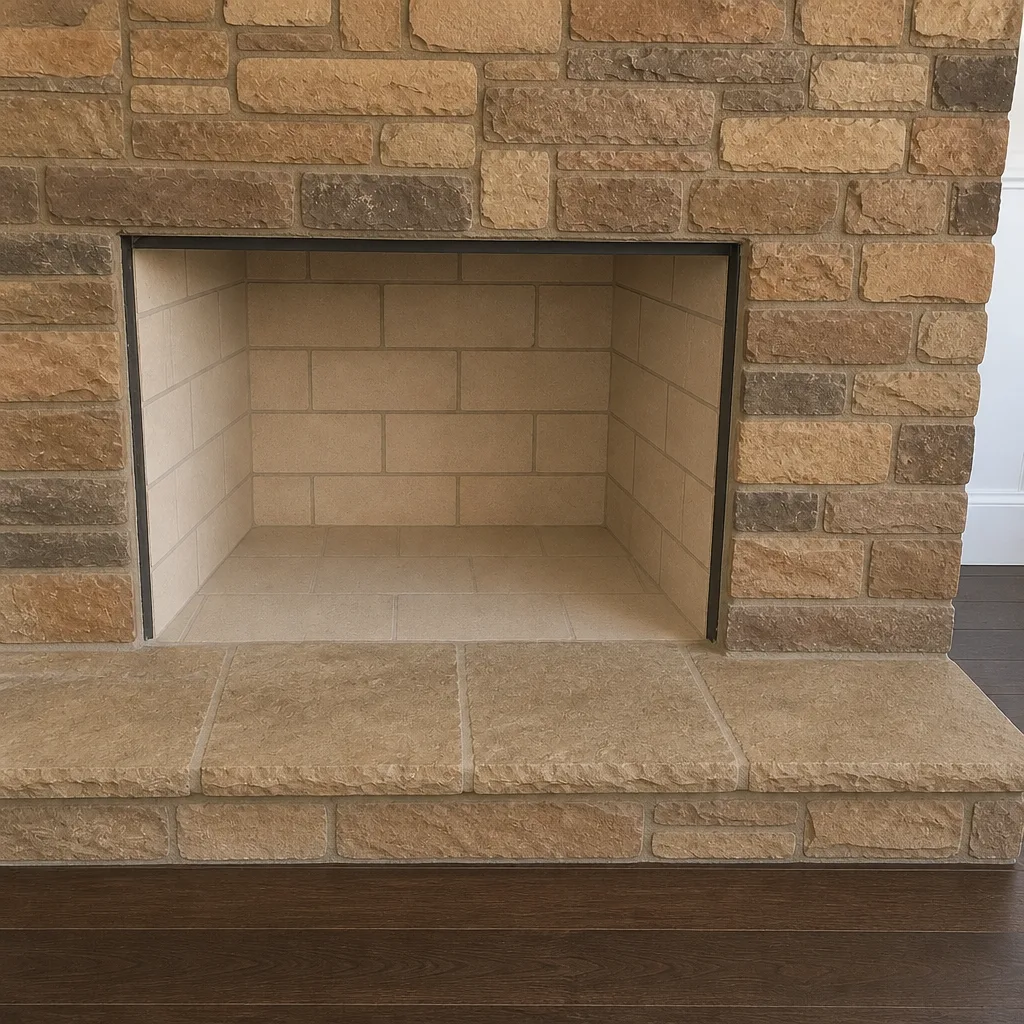
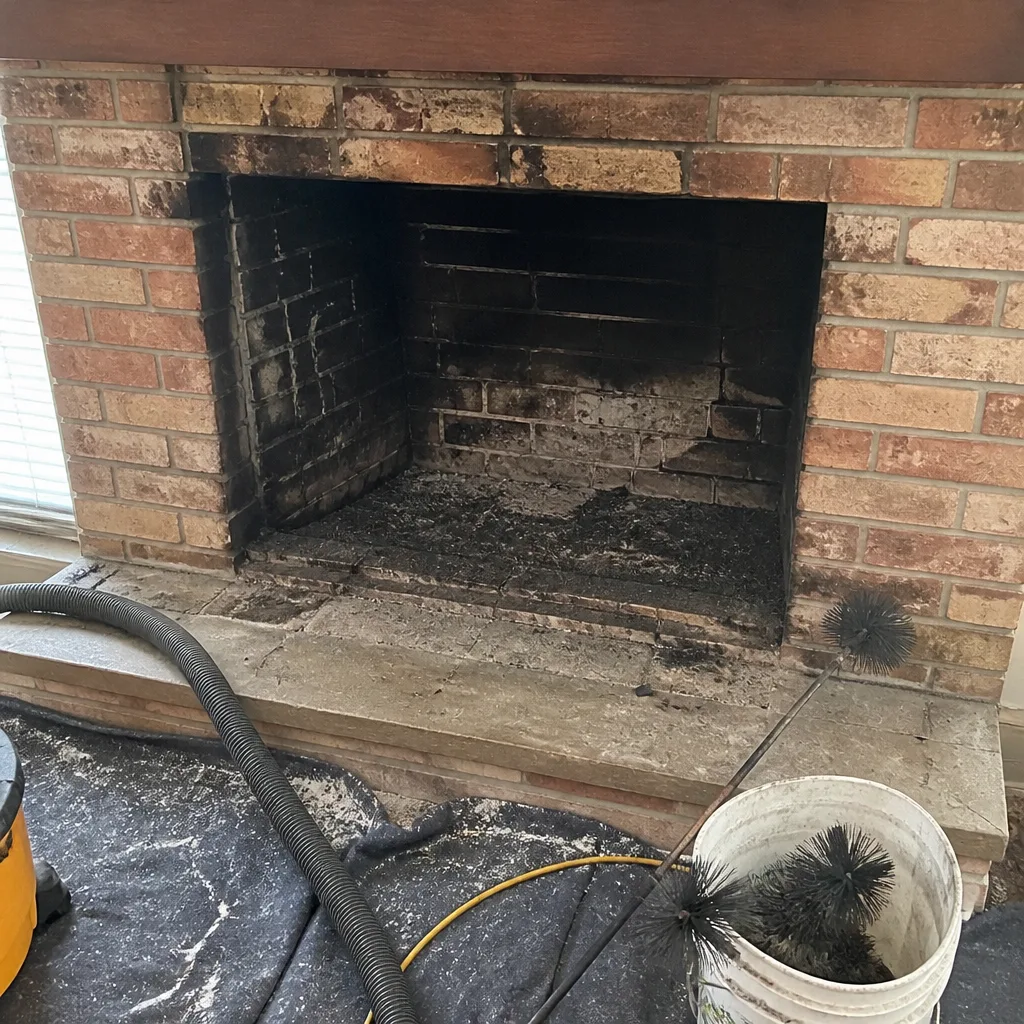
See the difference
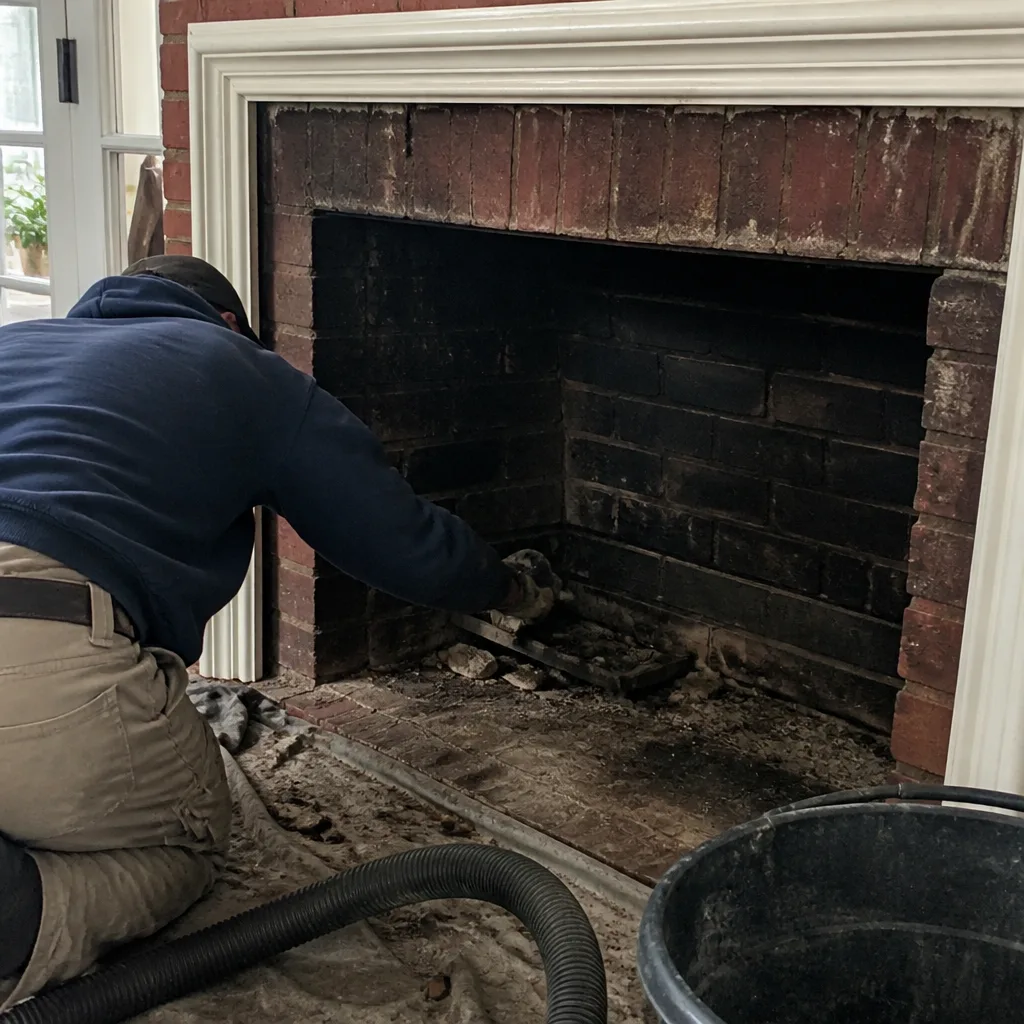 Before
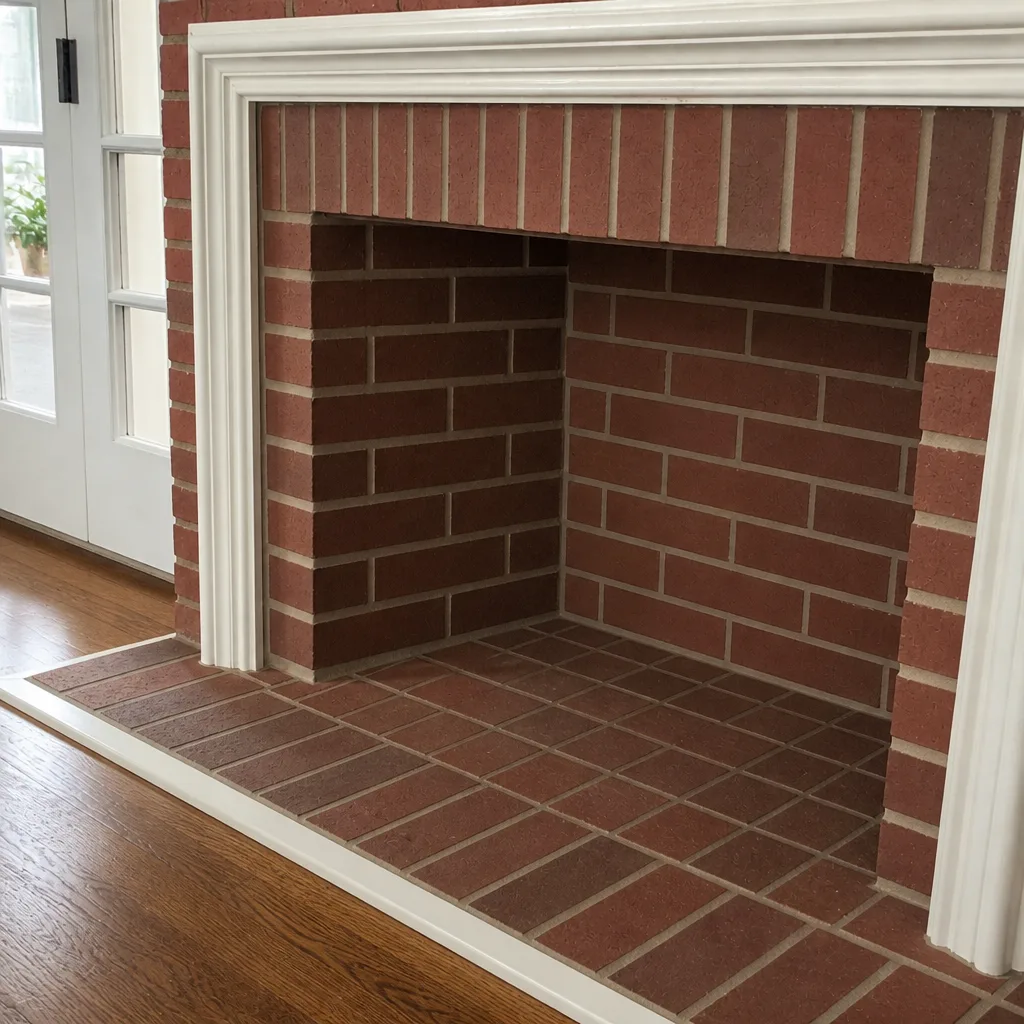 After
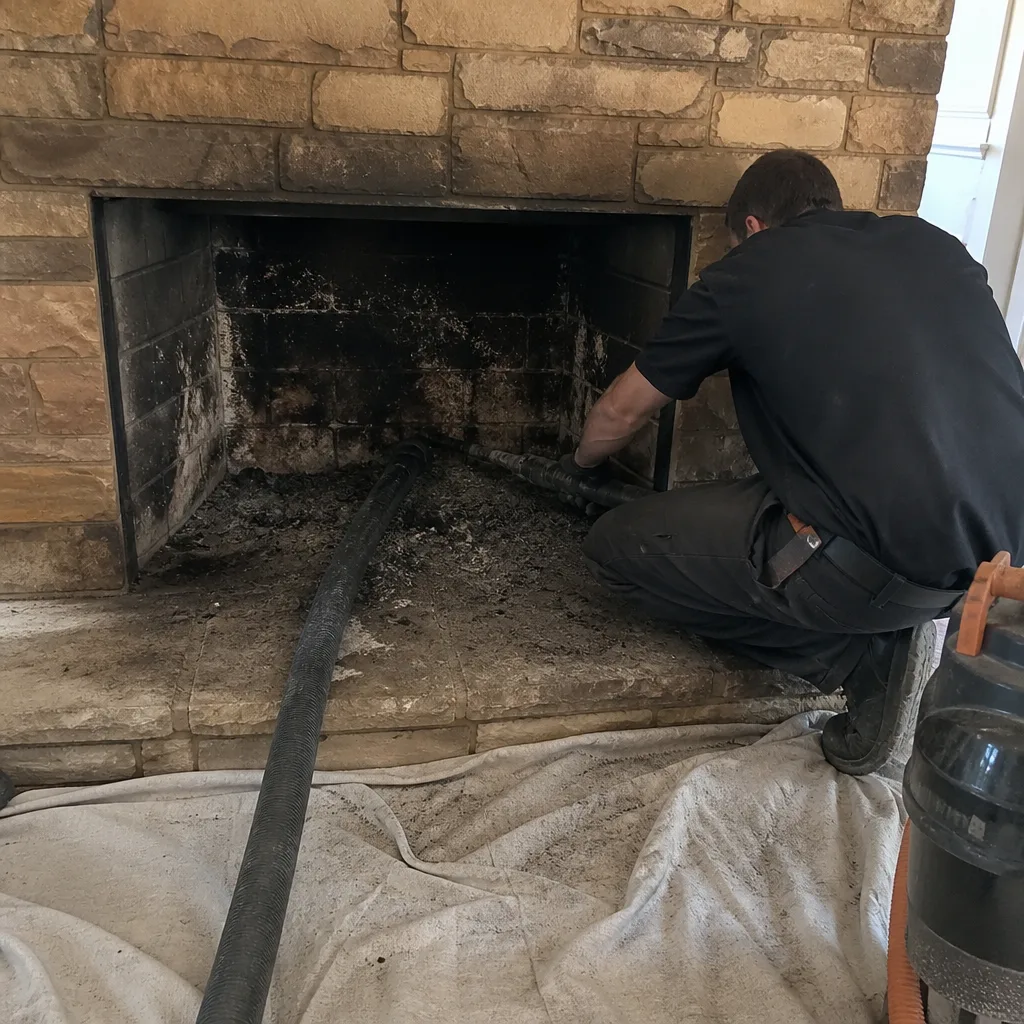 Before
 After
 Before
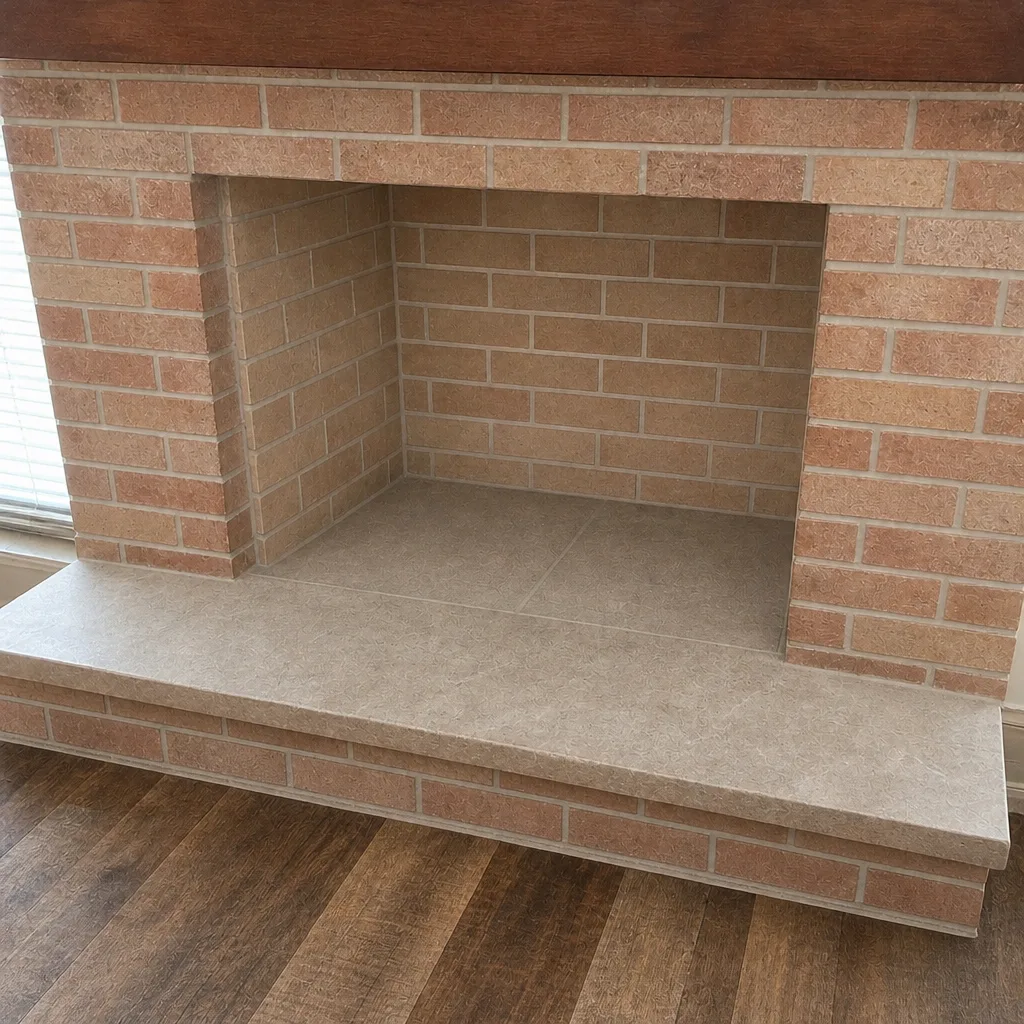 After
When to Call a Professional
Some chimney work is routine and some can’t wait. Call a professional if you’ve never had the chimney inspected and you’re not sure of its history, if you’ve had a chimney fire even a small one, or if you notice smoke backing into the room when you light a fire. Call if you see efflorescence, crumbling mortar, or a damaged crown, or if you hear animals in the flue. Call if you’ve moved into a new home in Hermitage and don’t know when the chimney was last swept. And call before burning season if your firewood has been stored outdoors through a wet stretch. Chimney Sweep Hermitage offers free estimates in Hermitage. Call (877) 792-7308. We answer 24/7. Fast dispatch from 7am to 7pm, Sunday through Friday.
If you already know you need a service, you can start with a chimney sweep and let the inspection guide the rest.
Frequently Asked Questions
Chimney cleaning is priced per job based on what the inspection finds, and the written estimate sets the final price before any work begins. There’s no flat number that fits every chimney, because a Stage 1 flue that needs brushing is a different job from a Stage 3 flue that needs chemical treatment and rotary cleaning. The estimate is free. Call (877) 792-7308 for an exact quote, and we’ll walk you through what the inspection showed.
Most chimney professionals recommend annual inspection and cleaning as needed for wood-burning fireplaces, with the frequency depending on how much you burn. Regular evening use usually means a cleaning every year. Occasional use may mean every couple of years. The inspection tells you which. In Hermitage’s humid climate, don’t stretch it past a year if you’re burning regularly, because wet-season firewood speeds creosote buildup.
Sometimes yes, and often no. A liner needs replacement when it’s severely damaged, missing, or so spalled that it can’t contain heat safely. When the damage is surface-level and caught early, a restoration system like HeatShield can sometimes repair the liner without full replacement, which costs less and avoids the disruption of a new install. A new flexible liner from DuraFlex is the right call when the existing liner is beyond repair. You’ll see the camera evidence before anyone recommends either, so you can judge for yourself. Call (877) 792-7308 to book an inspection.
Creosote builds up in layers, and the more it accumulates, the more combustible the flue becomes. Beyond the fire risk, a blocked or narrowed flue can force smoke and carbon monoxide back into the home instead of venting it, which is a serious safety concern. Skipping cleaning doesn’t cause a problem overnight, but it does remove the inspection that would catch a cracked liner or a failing crown early, when it’s cheapest to fix. Call (877) 792-7308 and we’ll book you a cleaning and inspection.
A handyman can brush a flue, but that’s not the same as a chimney cleaning. A proper service includes camera inspection of the liner, checking the smoke chamber and smoke shelf, and evaluating the crown and cap. A CSIA-certified sweep has the certification, equipment, and scope to do all of it, and can handle repairs in the same visit if they’re needed. Ask any provider for their certification before they start.
The white powder is efflorescence, which is mineral residue left when moisture moves through the masonry and evaporates on the surface. It isn’t structural damage on its own, but it signals that water is getting into the chimney, usually through a failing crown, cracked mortar, or a missing cap. In Hermitage, the humid-then-cold cycle drives this hard. It’s worth an inspection to find the source. Call (877) 792-7308 for a free estimate on the repair.
The Bottom Line
Chimney cleaning in Hermitage isn’t a single chore; it’s the entry point to a system of checks that keeps the whole chimney working. The brush clears the flue, the camera finds what the brush can’t, and the inspection decides whether a repair is needed now or can wait. Humid summers and fast cold snaps make the timing matter here, because water intrusion and creosote both get worse with time. Get the inspection before the first fire, ask for the evidence, and insist on a specialist rather than a generalist. Call (877) 792-7308. We answer 24/7. Fast dispatch from 7am to 7pm, Sunday through Friday.
Written by the team at Chimney Sweep Hermitage.