
Last updated November 24, 2026
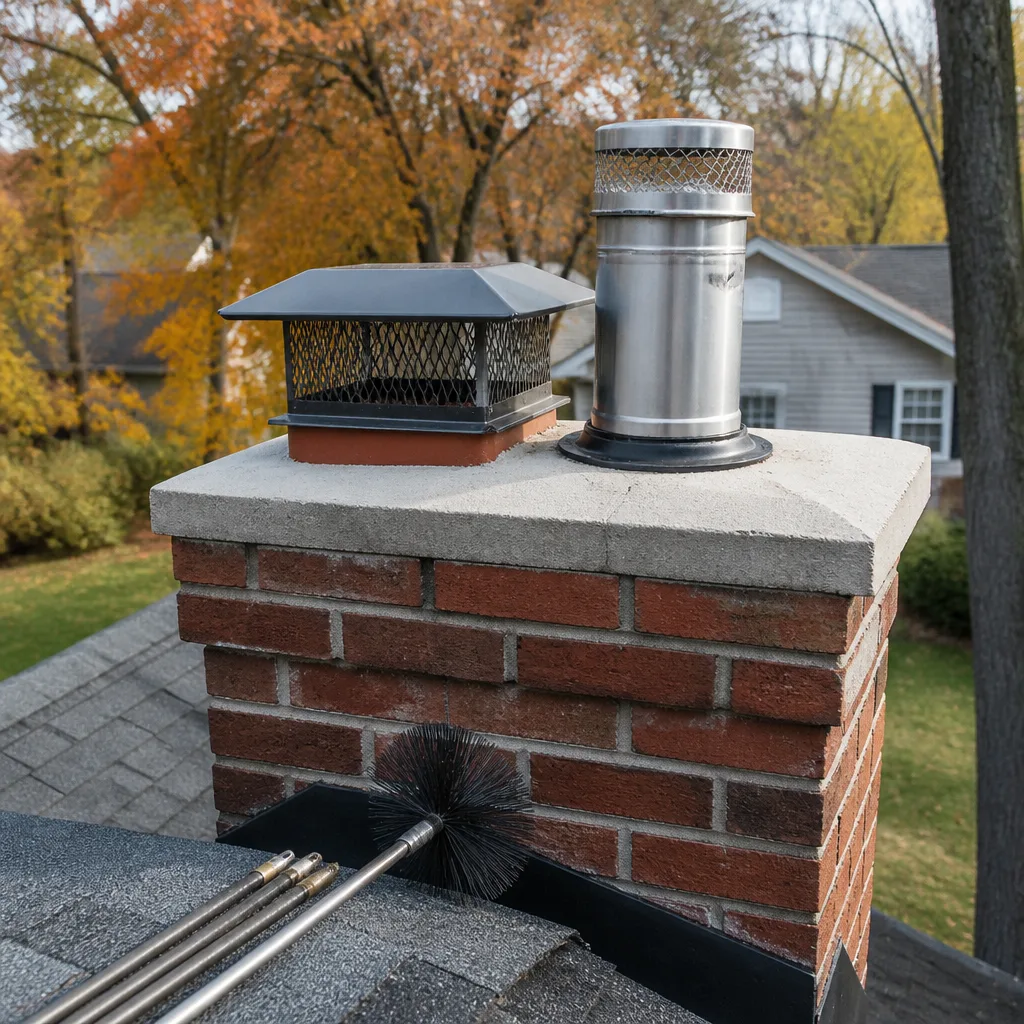 Sweep & inspection
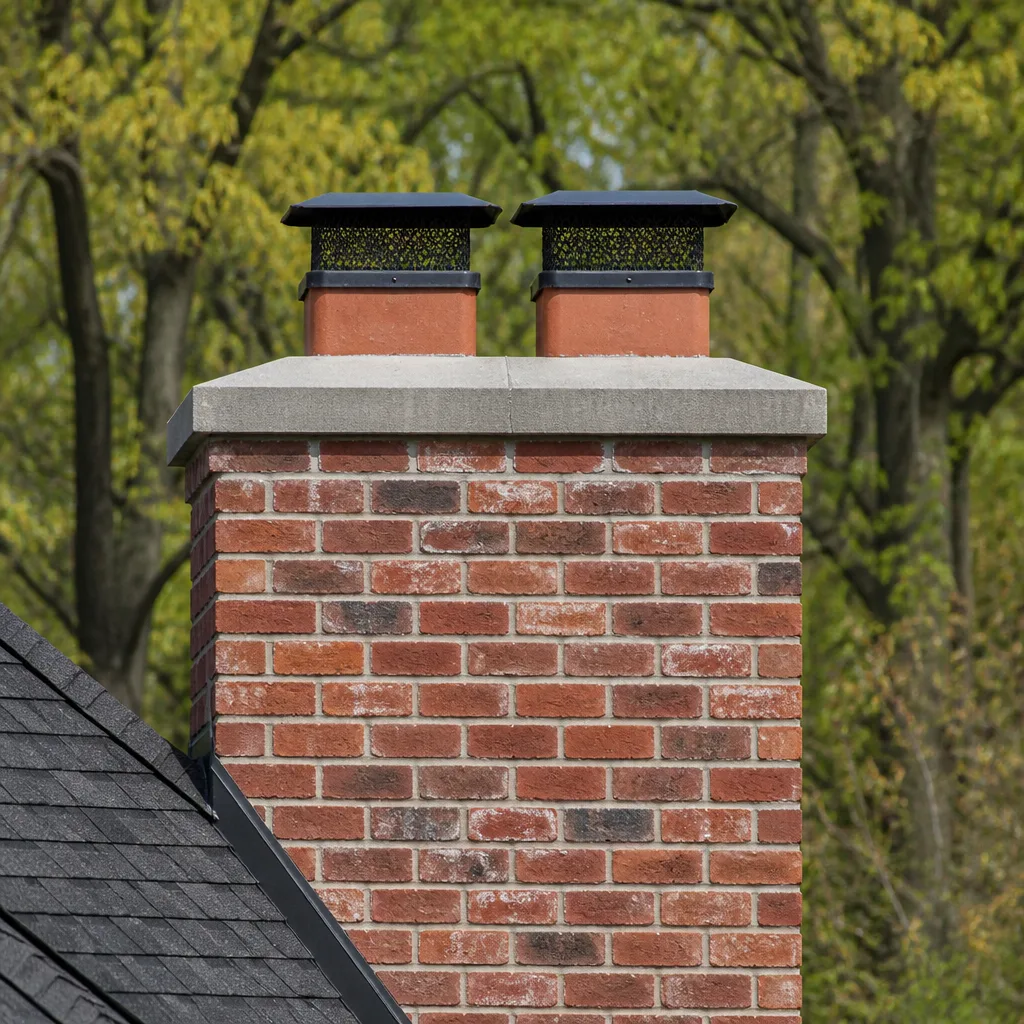 Caps & crowns
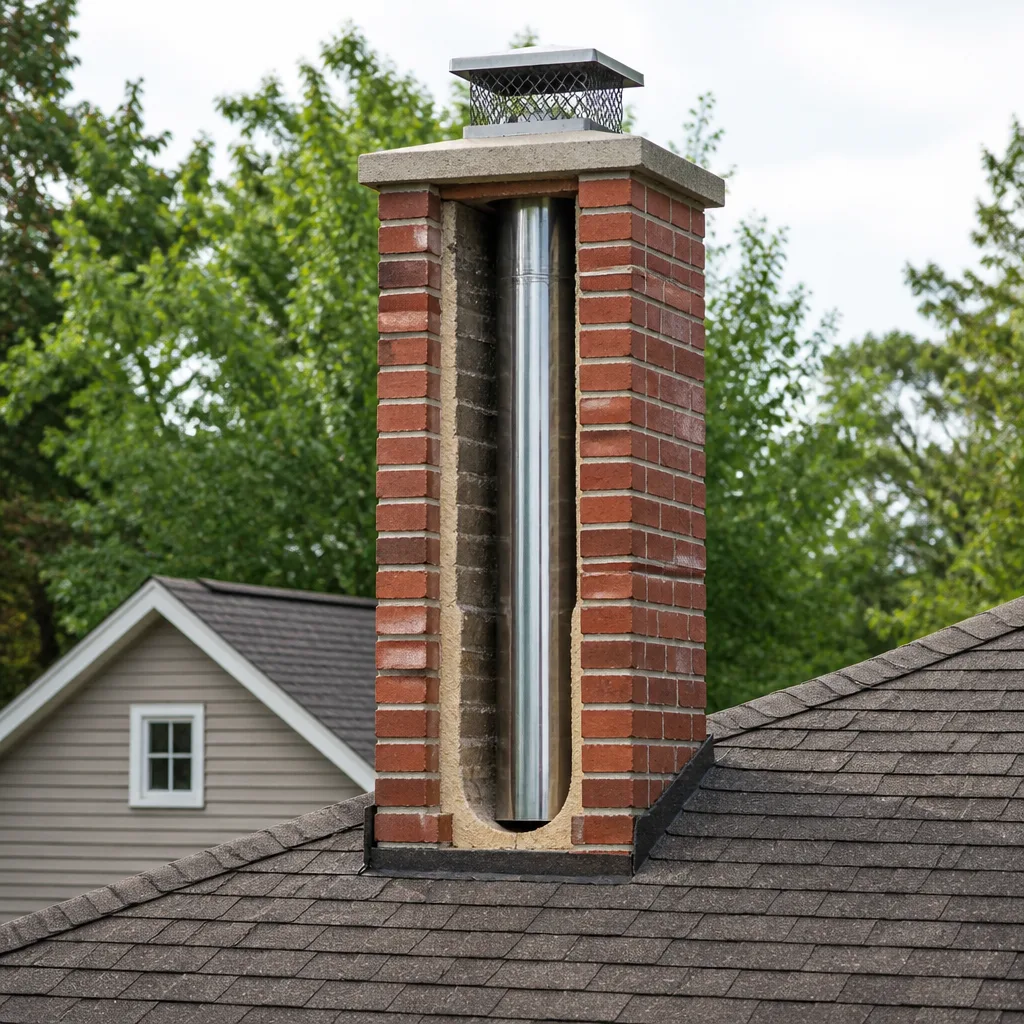 Flue relining
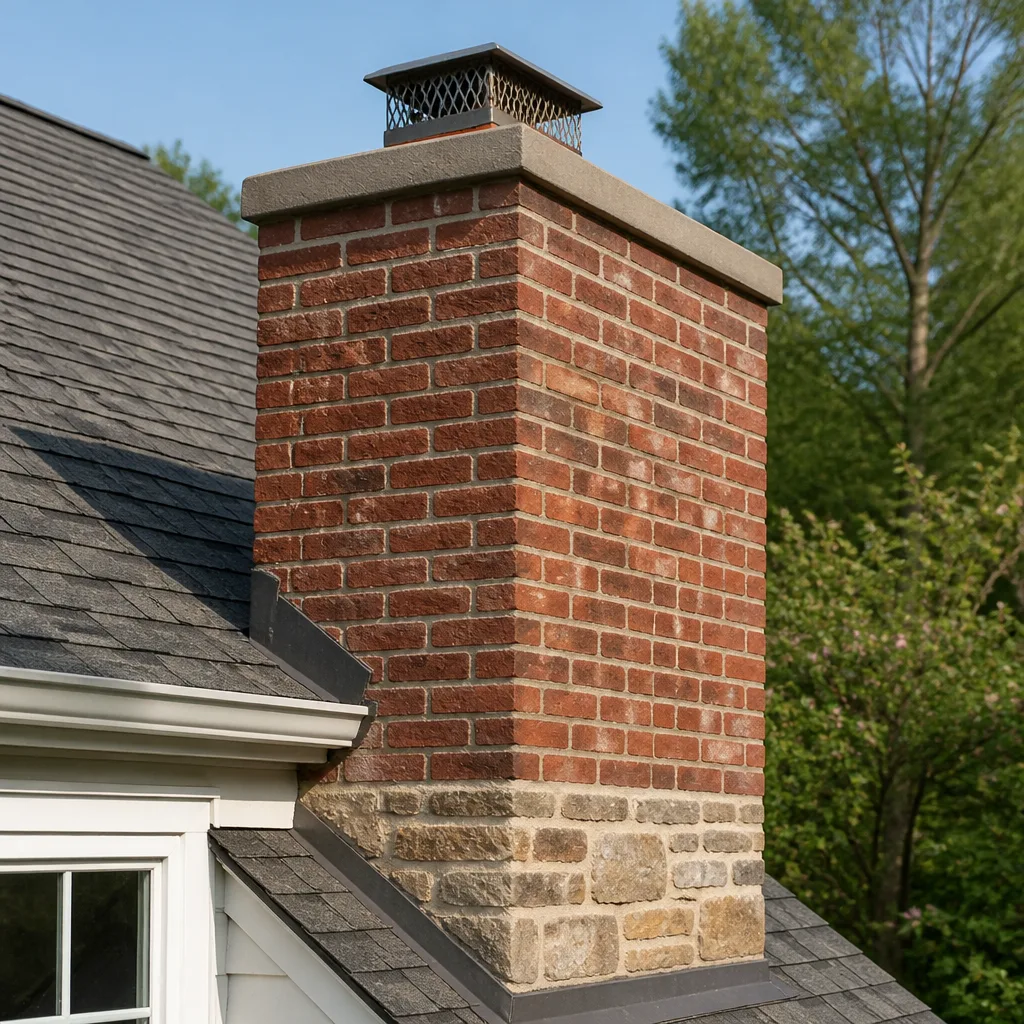 Masonry repair
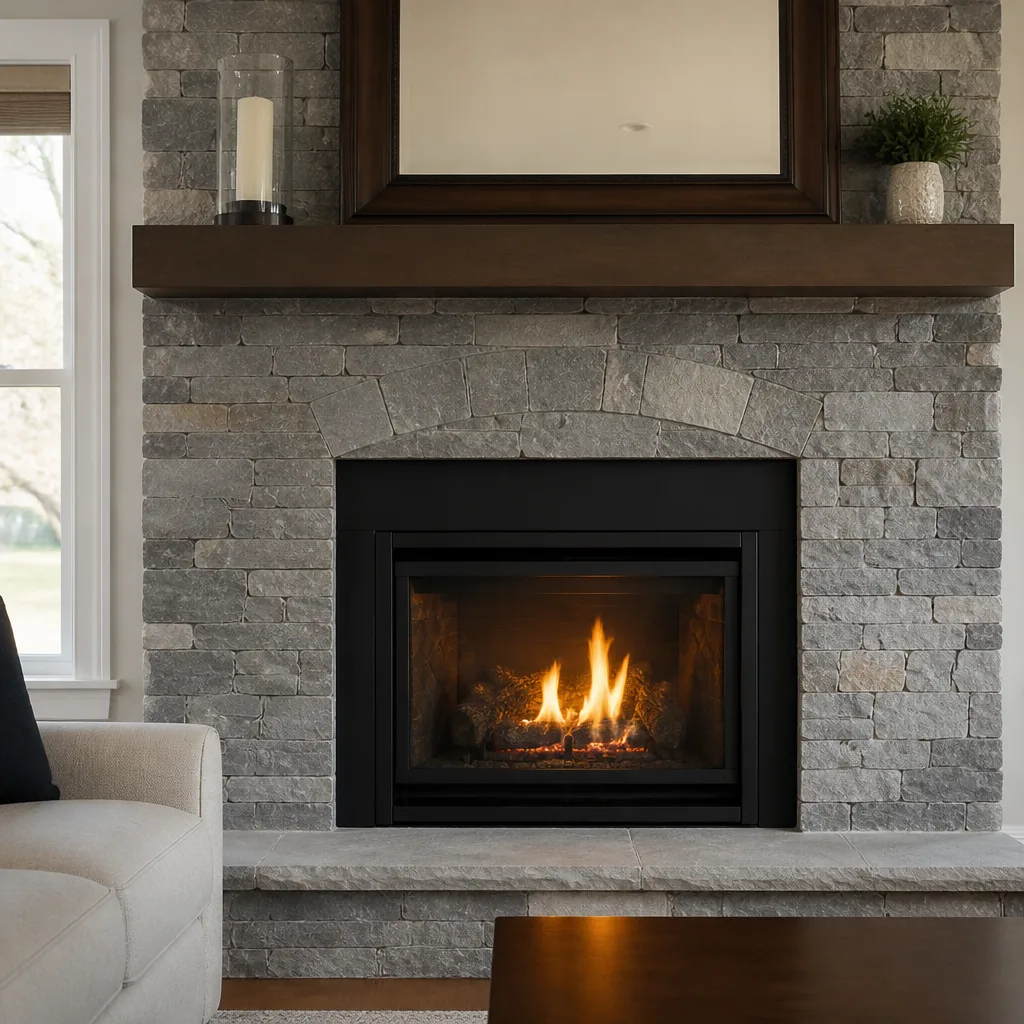 Gas fireplace service
Level 1 sweep and inspection to the NFPA 211 annual standard - flue, crown, cap, and flashing checked and photographed
Chimney sweep logs do not sweep chimneys. They loosen some creosote - which then falls where a brush and vacuum still have to collect it.
DIY vs Professional Chimney Cleaning: The Hermitage Homeowner’s Decision Guide
Most advice on this topic starts in the wrong place. It frames the choice as money versus safety, as if the only question is whether you’d rather save a few dollars or avoid a chimney fire. That’s not the real question. The real question is capability versus consequence: what can you actually accomplish with the tools available to a homeowner, and what gets left behind when you finish? A consumer brush kit is built for one job: knocking Stage 1 creosote off a straight, round clay tile flue. The moment your Hermitage home has a prefab metal firebox, an offset liner, or any glazed buildup, that same kit stops being useful and starts being a false sense of security. This guide draws the line honestly – what you can do, what you can’t, and when it’s time to call.
Quick Answer
DIY chimney cleaning is only appropriate when you have a single-story home, a straight flue you can access from both the firebox and the roof, and confirmed light Stage 1 creosote with no glazing. In every other case – prefab fireplaces, offset clay tile runs, two-story roofs with steep pitches, or any Stage 2 or Stage 3 buildup – professional cleaning is the safer choice because consumer tools can’t reach the smoke chamber, smoke shelf, or offset sections where the dangerous deposits actually collect. A professional sweep also includes a camera inspection, which is the only way to know whether your liner is intact.
Styles & brands we work with
- Sweep & inspection
- Caps & crowns
- Flue relining
- Masonry repair
- Gas fireplace service
Table of Contents
- What a homeowner can realistically clean with consumer tools
- What gets missed: the smoke chamber, smoke shelf, and offsets
- The equipment gap: rotary systems, HEPA vacuums, and flue cameras
- Hermitage housing factors that make DIY harder
- The real risk of an incomplete DIY cleaning
- Honest verdict by scenario
- Common mistakes to avoid
- When to call a professional
What a homeowner can realistically clean with consumer tools
A homeowner with the right brush kit, a ladder they trust, and a straight flue can clean the parts of the chimney they can physically reach. That’s a real, useful thing. It’s just a much smaller set of parts than most people assume.
Consumer chimney brushes are sized and shaped for one geometry: a round flue of a single diameter running vertically from the firebox up through the roofline. When that geometry exists – and it does exist in plenty of older Hermitage homes with a single-story footprint and a straight-shooting flue – a brush on a flexible rod can knock loose powdery creosote off the walls and pull it down for collection. You’re not cleaning the chimney in the sense a professional means; you’re cleaning the flue pipe, and only the accessible length of it.
What a homeowner can clean:
- Stage 1 creosote – the light, flaky, soot-like deposit that brushes off easily – on the straight vertical run of a round tile flue.
- The firebox floor and lower firebox walls, by hand, with a stiff brush and a vacuum.
- The damper plate area, from below, when the damper is open and reachable.
- The top few feet of flue from the roof, if you can safely get to the crown and access the flue from above.
What a homeowner cannot clean with a consumer kit, no matter how careful they are:
- Stage 2 creosote – the dense, shiny, tar-like deposit that forms when flue temperatures stay low and unburned gases condense. Brushes skip off it or smear it.
- Stage 3 creosote – the hardened, glazed coating that has essentially baked onto the flue wall. This requires rotary cleaning systems with specialized cutting heads.
- The smoke chamber and smoke shelf, which sit above the damper and are shaped to slow and redirect smoke. Consumer brushes can’t be angled into them.
- Offset sections, where the flue jogs sideways to clear a framing member or transition from a firebox to a chimney stack.
- Any part of a prefab metal fireplace’s flue beyond what you can reach straight up from the firebox.
The distinction matters because the smoke chamber and smoke shelf are exactly where glazed creosote concentrates. A chimney can look clean from the firebox and still have a dangerous load of fuel sitting a foot above the damper, out of sight and out of reach.
What gets missed: the smoke chamber, smoke shelf, and offsets
Here’s what most DIY guides skip. The firebox and the flue pipe are the visible parts of a chimney system, and they’re the parts the homeowner thinks about. The smoke chamber and smoke shelf are the parts that determine whether the chimney is safe, and they’re invisible from the firebox.
The smoke chamber is the tapered space between the top of the firebox and the bottom of the flue. It’s shaped like an upside-down funnel, designed to compress smoke and push it up the flue. The smoke shelf is a ledge at the back of the firebox, just behind the damper, that catches downdrafts and redirects them up the flue. Together they do real work in a wood-burning fireplace – and together they’re where creosote collects fastest, because smoke lingers in that tapered chamber longer than anywhere else in the system.
In our experience, a chimney that gets swept from the roof with a straight brush and never has the smoke chamber worked on will accumulate a hard glaze of creosote on the chamber walls over time. That glaze is what catches fire during a chimney fire. It burns hot enough to crack clay tile liners and warp metal prefab liners. And here’s the part that matters for a DIY decision: you cannot see this from below, and you cannot reach it from above with a straight brush.
Offset flues add a second problem. When a flue runs at an angle instead of straight, creosote collects on the outer wall of the bend. A straight brush travels the centerline of the flue and skips the deposit. Professional rotary cleaning systems track the flue wall, flex through the offset, and scrape the deposit at the bend. This isn’t a matter of using more effort – it’s a matter of the tool matching the geometry.
Then there’s the liner itself. Clay tile liners crack. Prefab metal liners warp, corrode, and can separate at the joints. A cracked liner lets combustion gases – including carbon monoxide – escape into the wall cavity or attic instead of up the flue. A homeowner sweeping from below won’t see a hairline crack in a tile joint eight feet up the flue. A professional sweep with a flue camera will. That’s the single biggest reason we say inspection is not optional and not an upsell – it’s the only way to know whether the cleaning you just did was safe.
The equipment gap: rotary systems, HEPA vacuums, and flue cameras
The honest way to frame the DIY versus professional question is as an equipment gap, not a skill gap. Most homeowners are perfectly capable of handling a chimney brush. What they don’t have is the equipment that makes a professional cleaning safe and complete – and the gap between a brush kit and a professional setup isn’t incremental. It’s a different category of work.
What professional chimney sweeps bring to the job that consumer kits cannot replicate:
- Rotary cleaning systems. A professional rotary system uses a spinning head driven by a drill or dedicated motor, with interchangeable whip heads, chains, and cutting tools sized to the flue. It tracks the flue wall, gets through offsets, and removes Stage 2 and Stage 3 creosote that a hand brush cannot touch. This is the only category of tool that reliably cleans glazed deposits.
- HEPA-sealed vacuum systems. A shop vac is not HEPA-sealed. When you sweep a chimney with a shop vac running nearby, fine creosote dust and soot escape into the living space through the exhaust and through gaps at the hose connections. Professional setups run a sealed HEPA system in line with the brush rod, capturing dust at the firebox before it can escape. The health difference is real, and so is the cleanup difference.
- Flue cameras. A camera on a flexible rod fed up the flue shows the condition of the liner, joints, and the smoke chamber walls. Without it, “the chimney is clean” means “the parts I could see look fine.” With it, it means the liner is intact, the joints are sound, and no deposit remains in the chamber.
- Chamber and shelf tooling. Long-handled angled brushes and scrapers designed specifically for working the smoke chamber and smoke shelf from below the damper. These are not consumer products – they’re trade tools.
- Respirators, ladders, and fall protection. Roof work on a two-story home with a steep pitch requires a proper roof ladder, a harness, and the practice of working safely on a slope. This is where the DIY equation changes from “can I do this” to “should I do this on a ladder.”
We work with the brands that chimney professionals actually reach for – DuraFlex flexible liners for relining, HeatShield for flue restoration and ceramic repair, and caps from Gelco, Olympia Chimney, and Famco. If a DIY cleaning reveals a crack or a failed liner joint (which it often does, once you’re looking), a professional can address it with the right system rather than improvising a fix.
Hermitage housing factors that make DIY harder
Chimney cleaning advice written for a generic US audience misses the specifics of Hermitage housing stock. Our town has its own patterns, and they push the DIY decision in a specific direction.
Older brick homes with clay tile liners and offset runs. A good share of Hermitage’s established neighborhoods have wood-burning fireplaces with brick chimneys and clay tile liners installed in runs that offset around framing. Offset clay tile is one of the harder flue geometries to sweep – not because the tile is unusual, but because the offsets trap creosote at the bends and require a rotary tool to clear. A homeowner brushing from above can’t follow the bend. The deposits at the offset stay put, and they’re a common ignition point for chimney fires.
Prefab fireplaces from the 1970s and 1980s with restricted access. Many homes built during Hermitage’s heavier growth decades have factory-built fireplaces with metal flues. These systems have tighter clearances and more restricted access than you’d expect. The flue isn’t always accessible from the top with a standard brush, and the firebox dimensions limit what you can reach from below. If your prefab fireplace isn’t maintained the way the manufacturer intended, hidden liner problems become the story – and the only way to catch them is from the inside, with a camera.
Two-story homes with steep roof pitches. Climbing a two-story roof to sweep from the top requires a proper roof ladder and real familiarity with the pitch. If you’re not comfortable up there, cleaning from below alone leaves the top of the flue uncleaned. And the risk of falling is not a trade-off most homeowners should accept for a job a professional can do on a scheduled visit.
Hermitage’s burn season and climate. The bulk of the local burn season runs through the cooler months, and that’s when the creosote load builds. Late summer and early fall – before the first burn – is when a cleaning and inspection matters most. The question isn’t whether the chimney can be cleaned, it’s whether it will be cleaned completely before the weather turns and you start running the fireplace again. That deadline is different in a Northern climate than it is here, but the principle’s the same: get the chimney evaluated before you’ve committed to a season’s worth of fires.
None of these factors are in your favor if you’re planning a DIY job. Each one is a reason a professional visit does more than a brush kit can. Our chimney sweep visit includes the inspection, the cleaning, and a photo report of what we found so you can see it yourself. That last part – seeing what’s actually happening inside the flue – is the part a DIY setup can’t replicate.
The real risk of an incomplete DIY cleaning
The biggest risk of DIY chimney cleaning isn’t a botched job. It’s a job that looks fine and isn’t. That distinction is worth spelling out because it changes how you should think about the trade-off.
A homeowner sweeping a straight flue with a brush kit, doing it carefully, will remove the powdery Stage 1 creosote they can reach. The firebox will look clean. The flue from below will look clean. The problem is what the cleaning didn’t touch: the smoke chamber above the damper, the smoke shelf behind it, and any offset bends in the flue. Those are the spots where the deposit sits, and those are the spots most likely to be involved in a chimney fire.
There’s a second risk that’s harder to spot: liner damage. A chimney sweep is supposed to check the liner as part of the cleaning. If a homeowner sweeps from below, the liner isn’t checked. A cracked clay tile joint, a warped prefab liner panel, or a separated flue connection is invisible from the firebox. When gases leak through a damaged liner, they can vent into the wall cavity, attic, or living space. Carbon monoxide is the risk most people name, and it’s real – but it’s not the only one. Smoke migration, moisture damage, and accelerated structural deterioration all follow a failed liner.
The third risk is the one homeowners talk about least. A DIY cleaning that went “fine” creates a false sense of safety. If the fire burns well and the smoke draws like it should, it’s easy to skip a professional inspection for another year or two – and another. That’s how a line of small problems becomes one big one. This is where our position is simple: an inspection is the honest baseline before any repair decision, and we’d rather tell you the chimney’s fine than sell you a liner you don’t need.
When the inspection does turn up a real problem – say, a liner that’s failed but the chimney structure is otherwise sound – we can use HeatShield, the ceramic repair system designed to restore deteriorating flue liners without a full reline. That’s a cost-saving option most sweep-only companies don’t have access to. When a full liner replacement is the right call, we install DuraFlex flexible liners, a proven solution for the failed or missing liners we find most often in older Hermitage homes.
Honest verdict by scenario
Here’s where we land, scenario by scenario. This is meant to be a straight read on when DIY makes sense and when it doesn’t – not a pitch.
Single-story home, straight flue, confirmed Stage 1 creosote. DIY is defensible. If you have a straight round flue accessible from both the firebox and the roof, you’re comfortable on a ladder, and a professional inspection last year confirmed the liner is intact and the creosote is light, a homeowner can clean the accessible parts and stay on top of it between professional inspections. Not every year requires a professional sweep; not every homeowner should be on the roof.
Single-story home, straight flue, but no recent inspection. Get inspected first. Cleaning without knowing the liner condition tells you nothing about whether the chimney is safe. An inspection is the baseline, and it’s the only way to know if the creosote is actually Stage 1 or if there’s Stage 2 hiding in the chamber.
Prefab metal fireplace, any age. Professional cleaning. The access is too restricted, the liner is too easy to damage with the wrong tool, and the firebox dimensions don’t let you reach much from below. This is where the DIY equation tips clearly. Prefab fireplaces need a sweep who knows the specific system in your home.
Offset clay tile flue, any age. Professional cleaning. The offset section is the whole problem. A straight brush will not clear it, and the deposit at the bend is the deposit most likely to burn.
Two-story home with a steep roof pitch. Professional cleaning, or at minimum have a professional sweep the flue and inspect the crown and cap on the roof. Getting on a steep two-story roof with a brush rod is not how a homeowner should spend an afternoon. The risk of a fall is worse than the cost of the visit.
Any visible glazing, any apparent Stage 2 or Stage 3 buildup. Professional cleaning with rotary tools. Nothing else will touch it, and brushing it can smear it further up the flue wall. This is a call-a-professional situation without a workaround.
Gas fireplace. Professional cleaning and inspection, generally. Gas fireplaces, when maintained, burn clean – but some decorative logs on gas units have been found to produce creosote in the flue exactly like wood does. The flue needs to be inspected to see what’s happening inside, and the unit needs to be checked for the things a homeowner can’t see – cracks, joint failures, draft problems.
If you’re not sure which category your Hermitage home falls into, an inspection is the honest way to find out. It’s a standalone service, not a sales call – and it gives you the information to make the decision yourself.
Common Mistakes to Avoid
- Cleaning a flue you haven’t inspected. A brush down a flue with a cracked tile liner can catch a joint, widen the crack, and turn a repairable problem into a liner replacement. Inspect before you clean; if you’ve never had the flue looked at, get a professional inspection first.
- Using a shop vac as a chimney vacuum. Shop vacs leak fine soot into the room. It gets into your HVAC, your furniture, and your lungs. If you’re going to clean from below, use a sealed HEPA system – most homeowners don’t have one, which is part of why this job lands with a professional.
- Skipping the smoke chamber and smoke shelf. Cleaning the flue but not the chamber leaves the most dangerous deposit untouched. If you can’t reach it, you can’t clean it, and if you can’t clean it, you need someone who can.
- Assuming “the smoke draws well” means “the chimney is fine.” Draft can be fine with a hidden Stage 2 deposit and a hairline crack in the liner. Draft is not an inspection. It’s a symptom that doesn’t always show.
- Sweeping from the roof on a two-story home with a steep pitch, without roof protection. Falls are the leading cause of serious injury on homeowner roof work. If you’re not comfortable, don’t do it – a scheduled sweep costs less than a hospital visit.
- Cleaning a flue that has visible glazing or heavy Stage 2 buildup. Brushing glazed creosote can smear it up the flue and make the condition worse. Heavy buildup needs rotary tools, not a brush.
- Skipping the annual inspection because the fires burned fine last year. The whole point of an inspection is to catch what last year’s “fine” hid. Hermitage chimneys have specific failure patterns – offsets and prefab liners especially – that don’t show up in how the fire burns.
When to Call a Professional
Call a professional chimney sweep in Hermitage if any of the following is true: your home is prefab metal, your flue runs at an offset, you have a two-story home with a steep roof pitch, you see any visible glazing or Stage 2 buildup, your chimney hasn’t been inspected in more than a year, you’re a new homeowner with no history on the fireplace, or the fire has ever had heavy smoky burns. Here’s our decision rule: an inspection first, and a recommendation after. If the inspection shows a failed liner, we install DuraFlex; if it shows surface deterioration of the flue, we use HeatShield to restore it; if the flue is intact and the buildup is light, we tell you so and set up a cleaning. We handle fireplace repair, cap and crown work, and structural chimney repair as part of the same call, which means you don’t have to bring in a different contractor to do the follow-up work. From sweep through structural repair, we cover the full chimney lifecycle under one roof. If you need cap and crown work done alongside the cleaning, we install those from the Gelco, Olympia Chimney, and Famco lines. Chimney Sweep Hermitage offers free estimates in Hermitage – call (877) 792-7308.
Why the Hermitage Chimney Sweep Visit Is Worth It Even When the Cleaning Is Light
A common objection to professional cleaning goes like this: “The chimney’s not that dirty, why would I pay someone to brush it?” That question misses what the visit actually is. A professional chimney sweep isn’t a cleaning service that also inspects; it’s an inspection that includes the cleaning. The inspection is the whole point.
Here’s what a professional visit reveals that a DIY cleaning doesn’t:
- Whether the liner is intact and continuous from firebox to cap.
- The condition of the smoke chamber and smoke shelf – the areas most likely to have hidden glaze.
- Whether the cap is fitted, secure, and blocking water and animal entry.
- The condition of the crown – the concrete top of the chimney – which is a leading cause of water intrusion when it cracks.
- Any sign of drafting problems, moisture damage, or masonry deterioration.
- The creosote stages present in the flue, so you know what the fire has been producing.
A chimney sweep who inspects with a camera and hands you a photo report is giving you information you can act on. If the flue is clean and safe, that’s what you learn. If a cap needs replacement or a crown needs repair, you learn that too – before it turns into a structural problem. And if a liner repair is the honest call, you have the option to address it with HeatShield or a DuraFlex liner rather than a generalist patch job from a handyman.
Hermitage homes see real seasonal swings in fireplace use, and the chimney doesn’t get a break when the fire’s out. Water intrusion through a cracked crown or missing cap worsens over the warmer months, and a flue that sat through a season with a light glaze on the smoke chamber will have more of it by the time the next burn begins. Cleaning and inspection in the fall – before the season starts – is the right rhythm. It’s the same logic for chimney cap & crown work: the time to fix water intrusion is before the next rainy season, not after the ceiling stain appears.
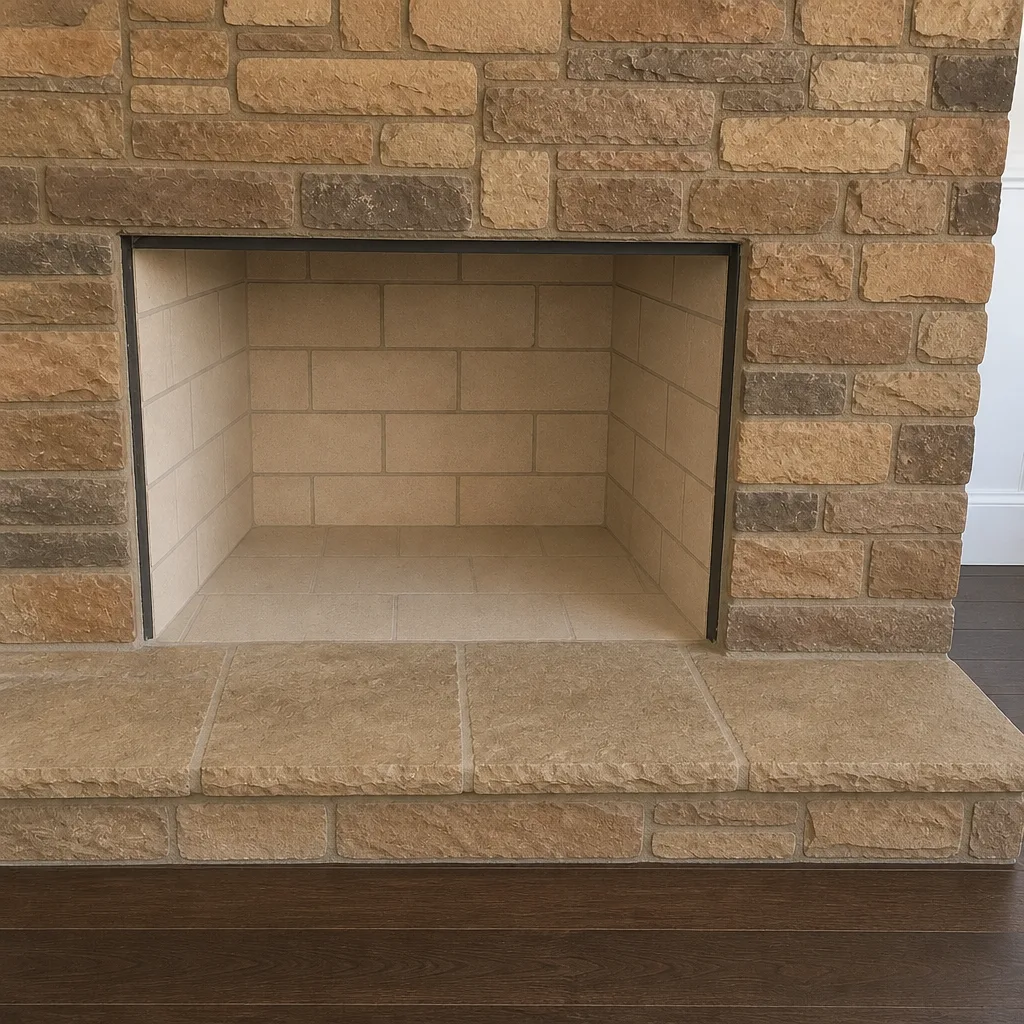
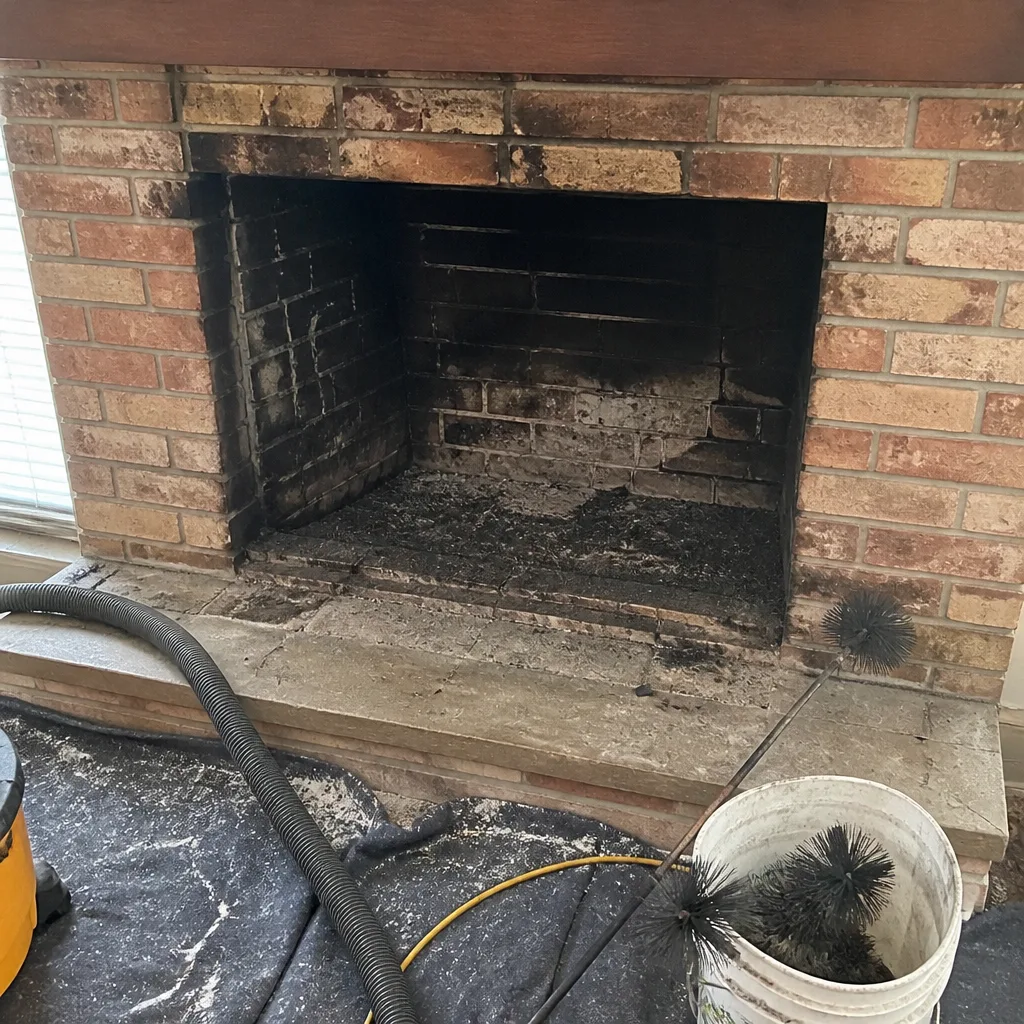
See the difference
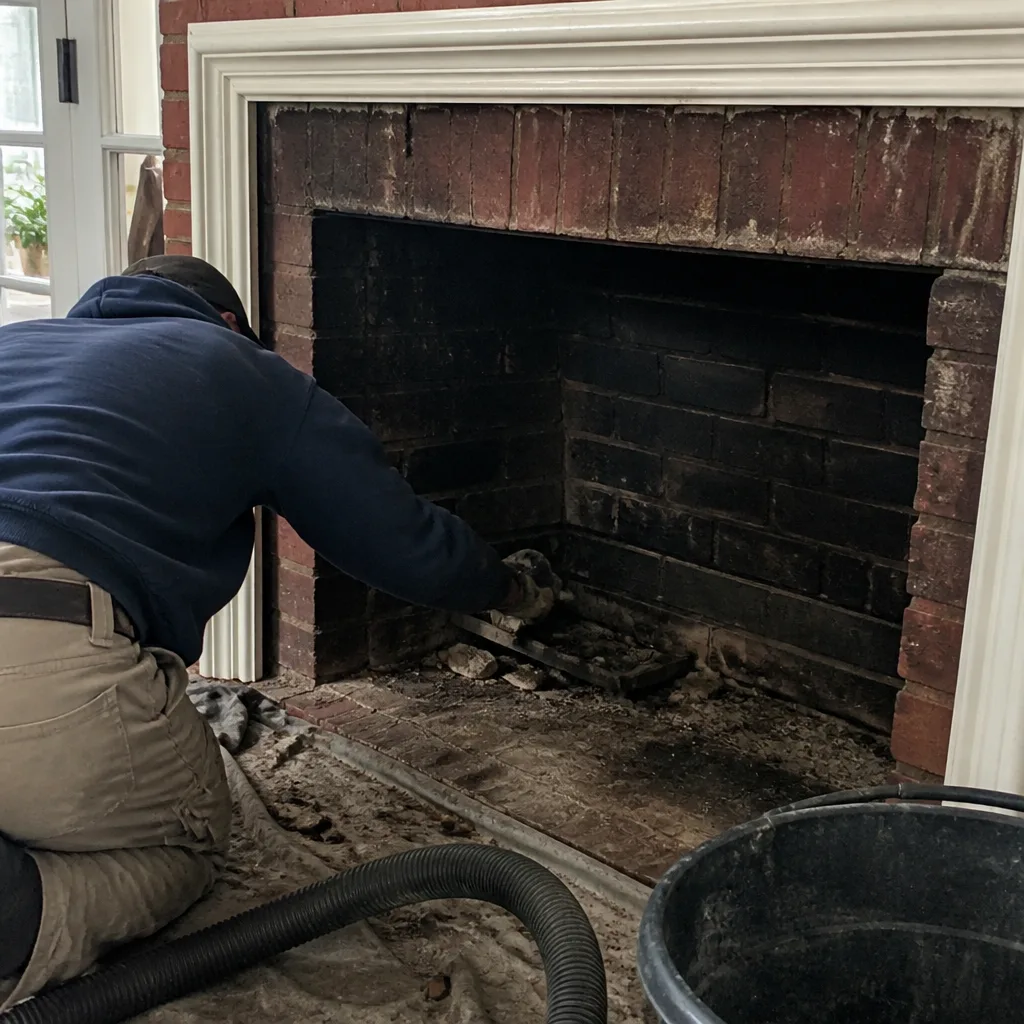 Before
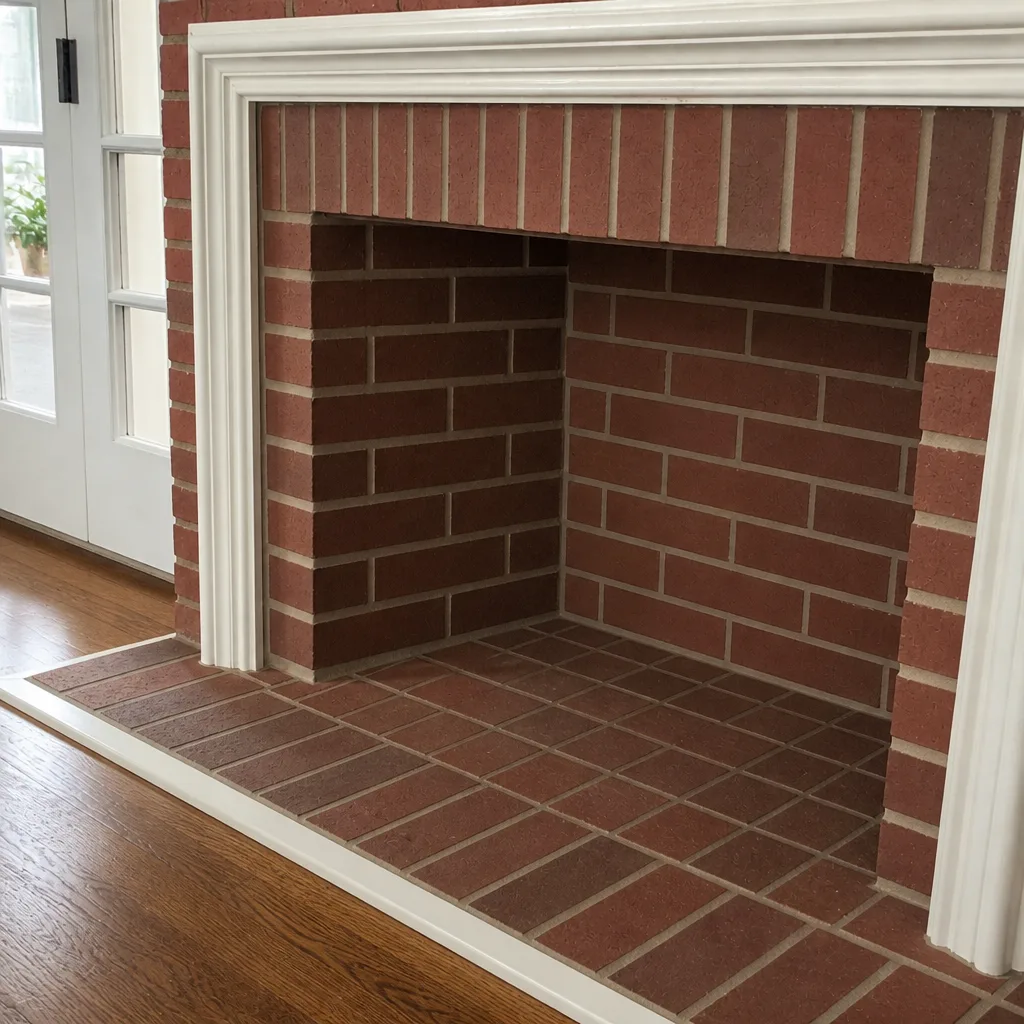 After
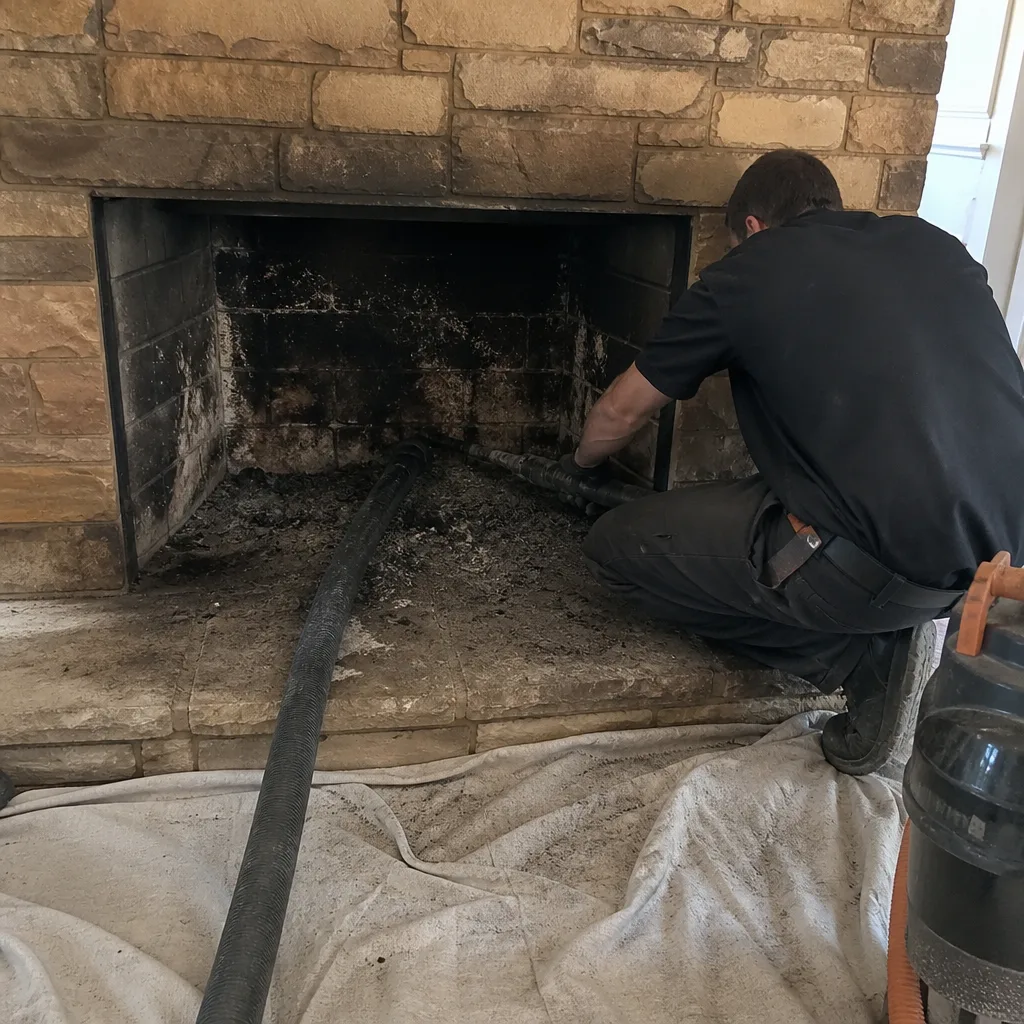 Before
 After
 Before
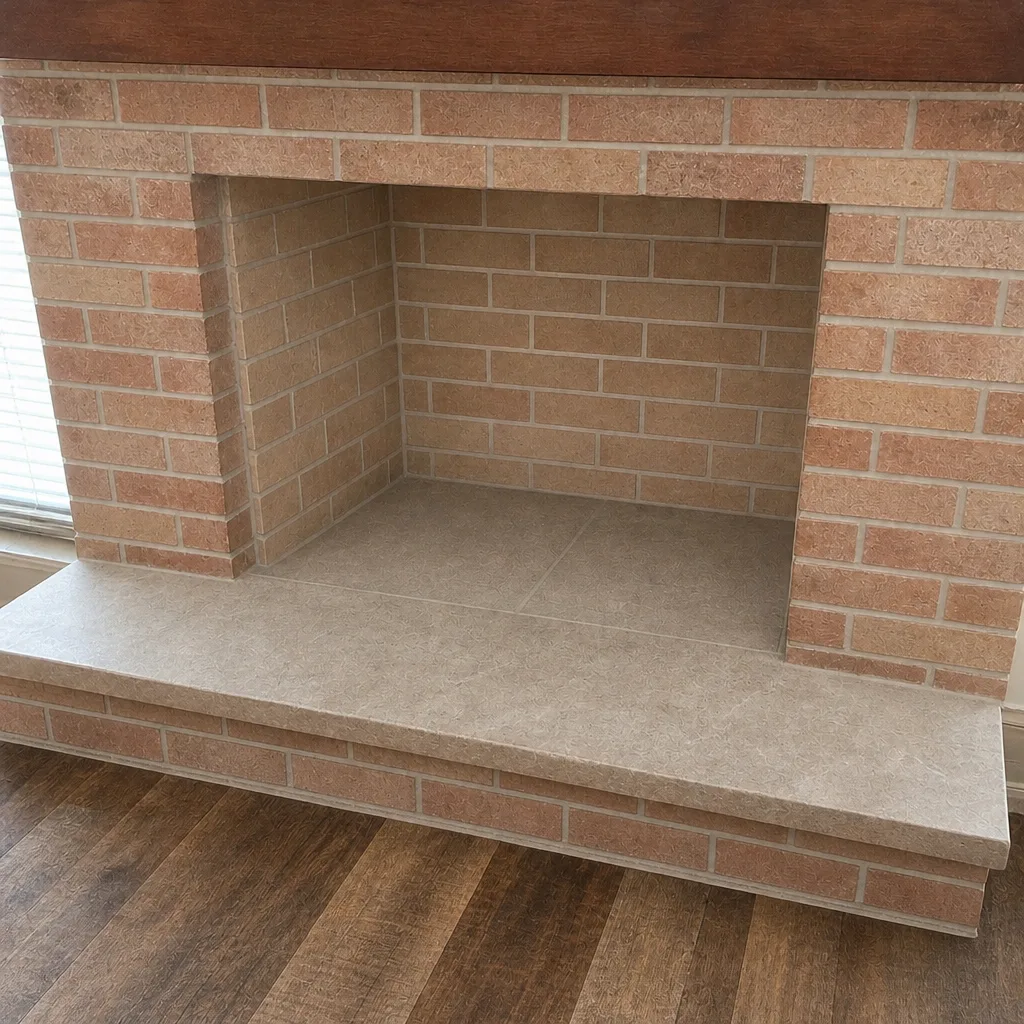 After
How We Do the Work
The professional visit itself follows a predictable sequence, and knowing how it goes helps you compare what you’d get from a DIY effort against what the trade does.
- Inspection first. We run a flue camera up the chimney and take photos of the liner, joints, smoke chamber, and smoke shelf before we clean anything. This is the baseline.
- Setup and containment. A sealed HEPA vacuum runs throughout the cleaning to keep soot out of the living space. Drop cloths go down at the firebox and any access points.
- Cleaning. Hand brushes for the accessible flue sections, rotary tools for the stubborn deposits, and chamber tools for the smoke shelf and smoke chamber. The cleaning matches the geometry, not the other way around.
- Second look. After cleaning, the camera runs again to verify the flue is clear and to confirm the liner’s condition once the deposits are gone. That’s when we find the cracks that were hidden under creosote.
- Report and recommendation. You get a photo report of what we found and an honest recommendation – including, when it’s the right call, “this can wait until next year.” A chimney cap replacement from Olympia Chimney or a Gelco cap install is a small job; a liner restoration using HeatShield is a bigger one; a full DuraFlex reline is the biggest. We put the evidence in front of you before we talk about the cost.
When structural issues turn up – a cracked crown, a shifting chimney stack, damaged flashing – we handle that too. Many sweep-only companies don’t, which is why homeowners end up calling a second contractor for the repair the sweep just recommended. We keep it in one visit.
Frequently Asked Questions
You can clean the accessible parts of a straight flue in a single-story home with a brush kit if the creosote is light Stage 1 and the liner is known to be intact. You cannot clean the smoke chamber, smoke shelf, offset sections, or any Stage 2 or Stage 3 glazed deposit with consumer tools – and those are the areas most associated with chimney fires. If you’re not sure which category your chimney falls into, get an inspection first. Call (877) 792-7308 – estimates are free.
Chimneys should generally be swept when there’s about an eighth of an inch of creosote accumulation in the flue – which means the interval depends on how much you burn, not a fixed number of years. A household that burns regularly through the season often needs an annual cleaning and inspection. A household that burns a few fires a year may go longer between cleanings but should still get an inspection. In Hermitage, the best rhythm is an inspection before the burn season starts.
Stage 1 creosote is the light, powdery, flaky deposit that brushes off easily. Stage 2 is denser, shinier, and tar-like – a result of unburned gases condensing on cooler flue walls – and it resists hand brushing. Stage 3 is hardened, glazed creosote that has essentially bonded to the flue surface, and it requires rotary cleaning tools with cutting heads to remove. Consumer brush kits can touch Stage 1 and nothing else.
No – shop vacs aren’t sealed, which means fine soot and creosote dust can escape through the exhaust and hose gaps into your living space. Professional sweeps use HEPA-sealed vacuum systems that capture dust at the firebox. If you’re going to clean from below at all, that’s the standard to match, and most homeowners don’t have the equipment.
We don’t recommend it. Prefab metal fireplaces have tighter clearances, more restricted access, and liners that can be damaged by the wrong brush. The firebox dimensions usually limit what you can reach from below, and the flue is often not accessible from the top with a standard brush. A professional sweep with a flue camera is the safer call for any prefab system – and it’s usually the only way to know whether the liner is intact.
Yes. A cleaning without an inspection tells you the chimney is clear; it doesn’t tell you the liner is intact, the smoke chamber has no hidden glaze, or the crown and cap are holding water out. An inspection is a standalone service – it’s how you know what you’re starting with. Chimney Sweep Hermitage offers inspections in Hermitage as a standalone visit, and the report is yours to keep.
We show you the photo evidence first, then explain the options. If the flue surface is deteriorating but the liner is otherwise sound, HeatShield flue restoration can repair it without a full reline. If the liner is failed or missing, a DuraFlex flexible liner replaces it. If the cap is missing or damaged, we install one from the Gelco, Olympia Chimney, or Famco lines. Every recommendation is backed by camera evidence you can see and a written estimate that sets the final price. Call (877) 792-7308 – estimates are free.
The Bottom Line
DIY chimney cleaning is a real option for a narrow set of Hermitage homes: single-story, straight flue, confirmed Stage 1 creosote, comfortable on a ladder, and a recent professional inspection on record. For prefab fireplaces, offset flues, two-story roofs with steep pitches, or any Stage 2 or Stage 3 buildup, the DIY kit either can’t reach the problem or makes it worse. The honest answer is that the choice isn’t cost versus safety – it’s a question of whether the tools in your hand can reach the deposits and damage a professional would catch. When they can’t, call the professional. Chimney Sweep Hermitage handles cleaning, inspection, cap and crown work, fireplace repair, and structural chimney repair in one call. Call (877) 792-7308 – we answer 24/7, with fast dispatch from 7am to 7pm, Sunday through Friday.
Written by the team at Chimney Sweep Hermitage.