
Last updated November 24, 2026
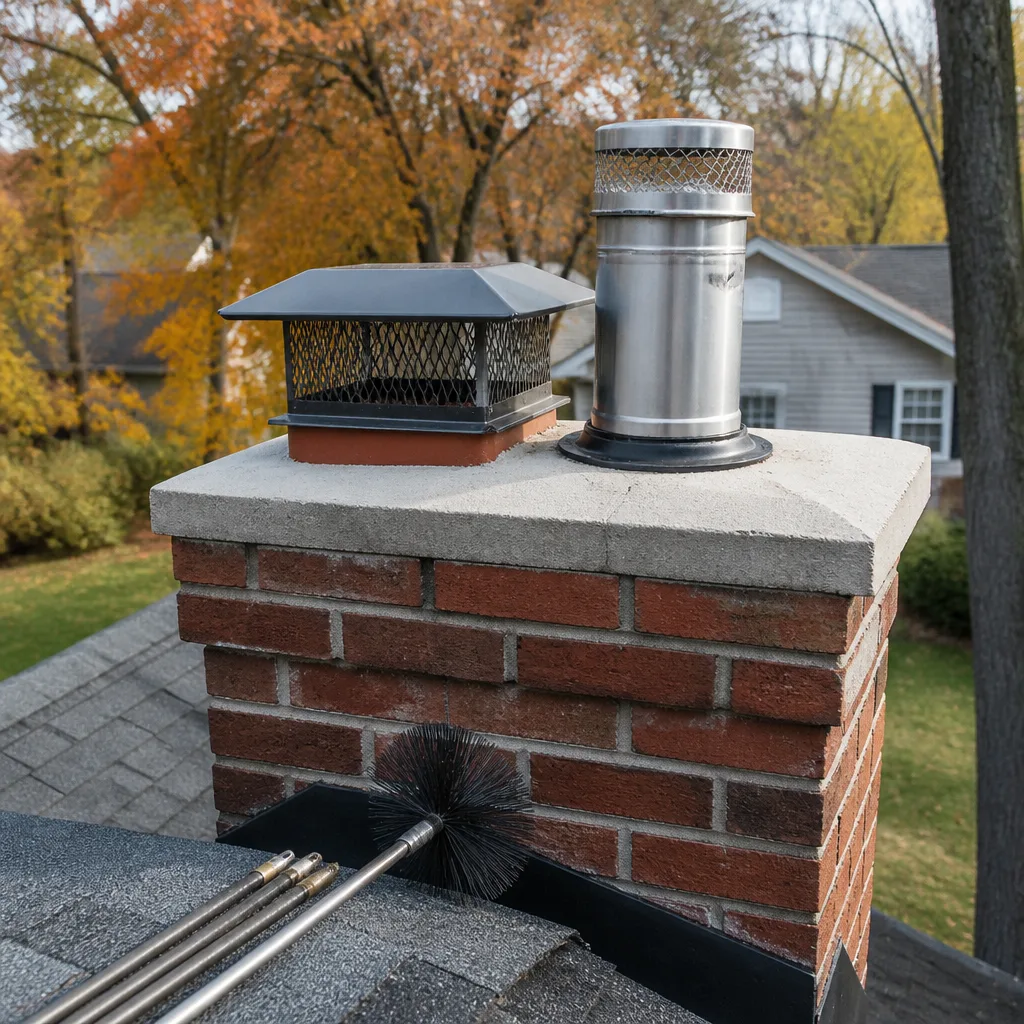 Sweep & inspection
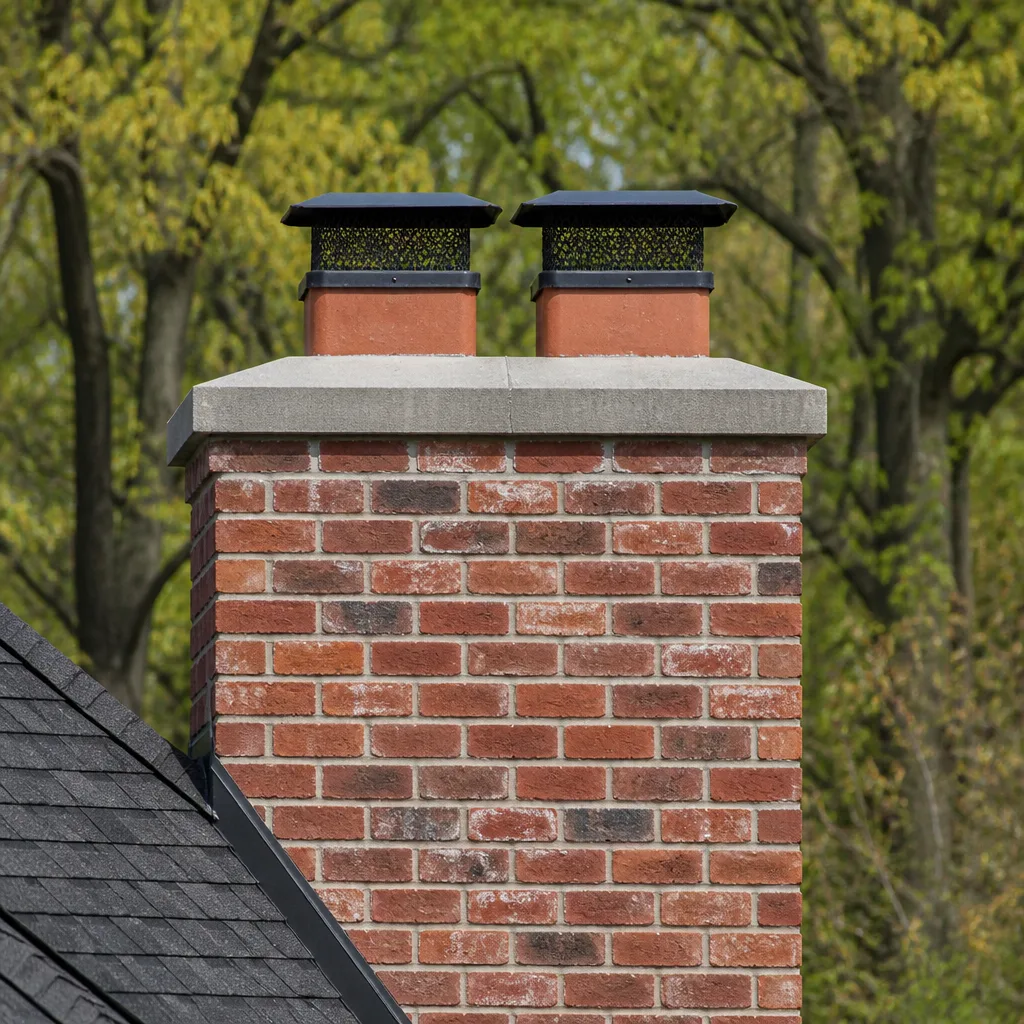 Caps & crowns
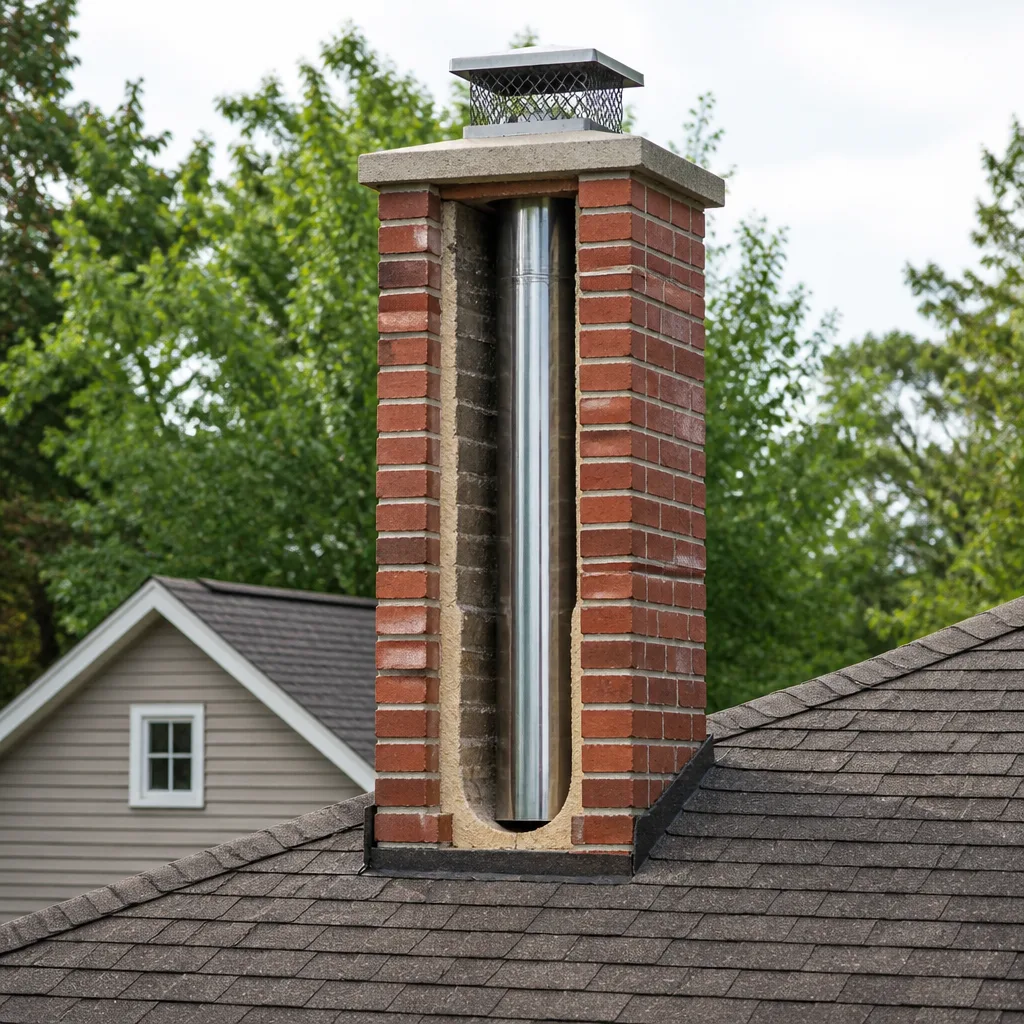 Flue relining
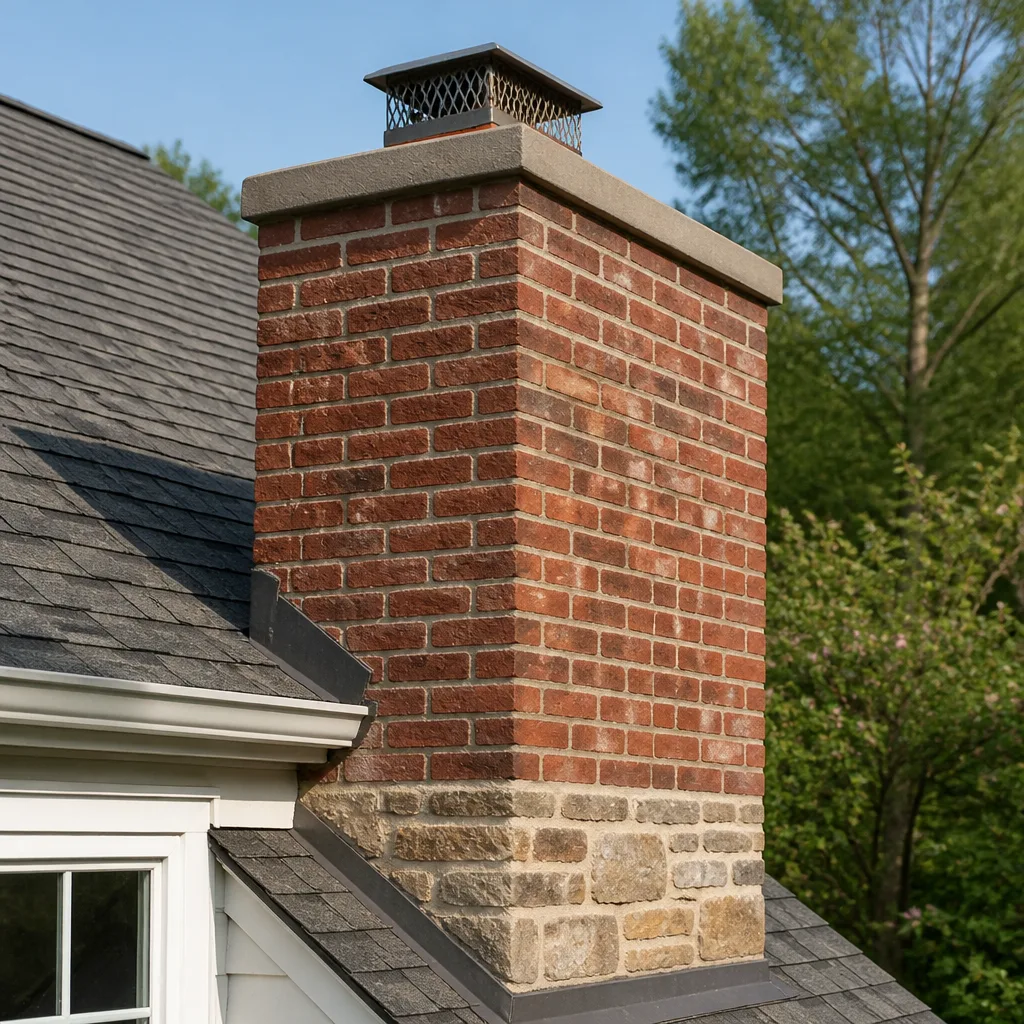 Masonry repair
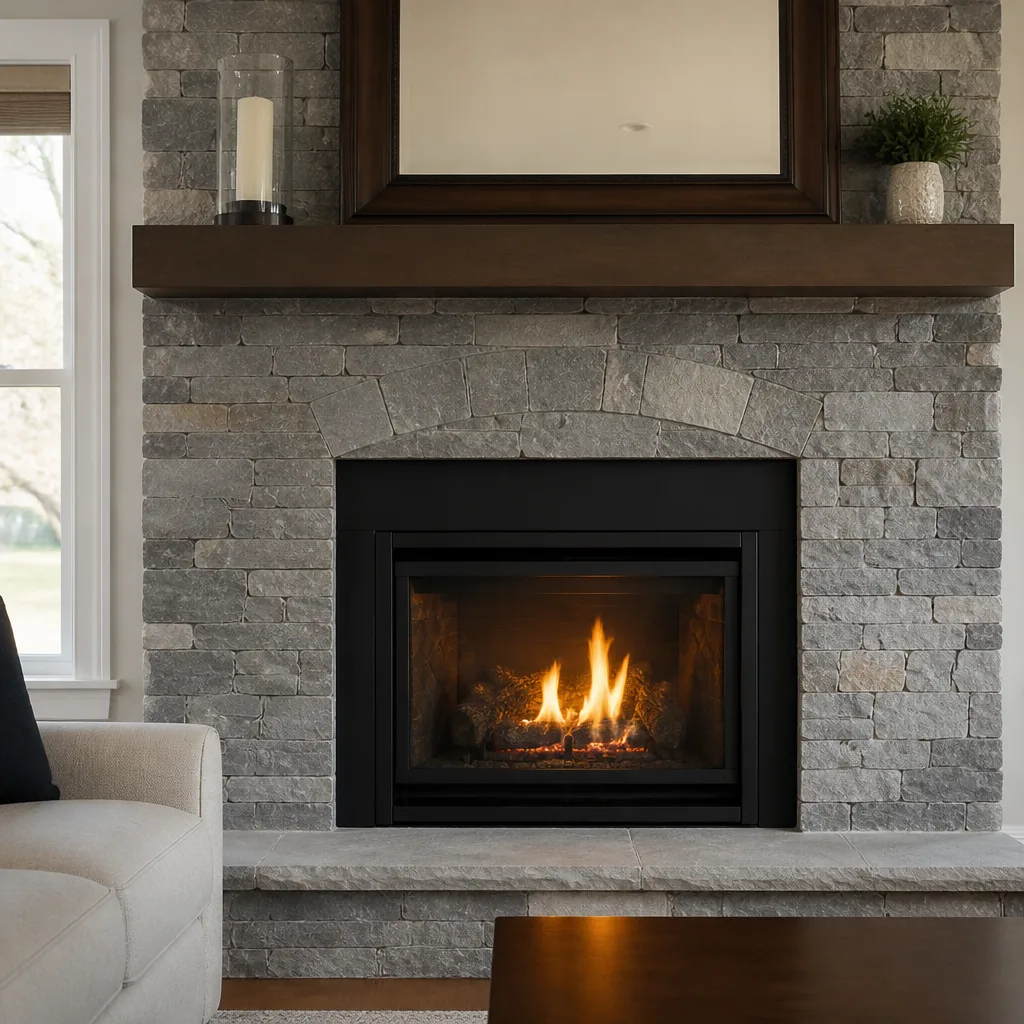 Gas fireplace service
Level 1 sweep and inspection to the NFPA 211 annual standard - flue, crown, cap, and flashing checked and photographed
Chimney sweep logs do not sweep chimneys. They loosen some creosote - which then falls where a brush and vacuum still have to collect it.
Chimney Cleaning Cost Breakdown: The Hermitage Homeowner’s Reference for 2026
The $99 chimney sweep special you see advertised doesn’t include a camera inspection, doesn’t cover the smoke chamber or smoke shelf, and often doesn’t include the written report your insurance company will ask for after a fire. That ad isn’t lying, exactly. It’s just pricing the smallest possible version of the job and letting you assume it’s the whole thing. In Hermitage, where most homes run wood-burning fireplaces or gas inserts and the burning season runs long enough to matter, that gap between the advertised sweep and a complete, documented service is where homeowners get surprised. This guide names every line item in a real chimney cleaning, explains what drives each one, and gives you a realistic budget framework for 2026. By the end, you’ll know what a fair quote looks like and what it should include.
Quick Answer
A complete chimney cleaning in Hermitage typically runs $185 to $450 for 2026, depending on chimney height, the number of flues, and how much creosote has built up. That range covers flue brushing, smoke chamber and smoke shelf cleaning, a Level 1 camera inspection, a written report, and debris disposal. A bare-bones sweep quoted at $79 to $129 usually skips the inspection and the report, which are the parts that actually protect your home and satisfy your insurer.
Styles & brands we work with
- Sweep & inspection
- Caps & crowns
- Flue relining
- Masonry repair
- Gas fireplace service
Table of Contents
- What’s actually in a complete chimney cleaning?
- What drives the price up or down?
- Creosote stages and what each one costs to remove
- Which add-ons are legitimate and which aren’t?
- The real cost of skipping your annual cleaning
- When is the cheapest bid a false economy?
- Why inspection comes before recommendation
- Building an annual chimney budget
What’s actually in a complete chimney cleaning?
A complete chimney cleaning in Hermitage includes five distinct components, and a quote that only mentions “sweeping the flue” is pricing one of them. Here’s how the line items break down for 2026.
- Flue brushing: $95 to $175. This is the part everyone thinks of as “the sweep.” A rotary brush or hand brush runs the full length of the flue to remove soot and creosote from the walls.
- Smoke chamber and smoke shelf cleaning: $40 to $90. The smoke chamber sits above the damper and below the flue. It’s shaped like a funnel and it collects creosote in ways the flue doesn’t. Many cheap sweeps skip it entirely because it’s awkward to reach. It’s also one of the most common places a chimney fire starts.
- Level 1 camera inspection: $50 to $125. A camera run through the flue documents the condition of the liner, joints, and any cracks or gaps. This is the diagnostic step that tells you whether repair work is actually needed, rather than guessed at.
- Written report: $0 to $50 (often bundled). A written report with photos is what your insurance company wants after a chimney fire, and it’s what protects you if you sell the house. It’s also the only way to know what was actually found versus what was claimed.
- Debris disposal: $15 to $40. Soot and creosote have to go somewhere. A proper job bags and removes the debris rather than leaving it for you to deal with.
Add it up and you’re looking at $200 to $480 for a fully documented clean, which is why a $99 ad and a $350 invoice rarely describe the same job. If you want to see how a full-service visit fits together from start to finish, our chimney sweep page walks through the sequence.
What drives the price up or down?
Two homes on the same street in Hermitage can get quotes that differ by $150 for reasons that have nothing to do with the sweep being greedy or the cheap one cutting corners. Chimney geometry and fuel type drive most of the variation.
Chimney height and access. A single-story ranch with a straight flue and easy roof access is the cheapest chimney to clean. A two-story with a steep pitch, a chimney on a valley, or a cap that has to come off first adds time and equipment. Height also affects how much brushing and inspection footage is needed.
Number of flues. A masonry chimney with two flues (one for the fireplace, one for a furnace or water heater) is priced per flue. Two flues typically runs 1.5 to 1.8 times the single-flue price, not double, because setup and inspection overlap.
Fuel type. Wood-burning fireplaces build creosote and need regular brushing. Gas fireplaces produce far less solid residue but still need inspection because the flue can corrode or clog with debris and animal nests. A gas insert service visit is often cheaper on the cleaning side and similar on the inspection side.
Degree of creosote buildup. This is the biggest single swing. Light soot brushes out in a normal sweep. Heavy, glazed creosote requires chemical treatment and often more than one visit, which we cover in the next section.
Condition of the firebox. Cracked firebrick, a damaged damper, or a firebox that hasn’t been cleaned in years takes longer. Some of that work crosses into fireplace repair, which is priced separately once it’s identified.
Creosote stages and what each one costs to remove
Creosote is the residue left behind when wood smoke cools on the flue walls. It builds in three stages, and the cost to remove each stage is dramatically different. Knowing which stage you’re in is the single best way to understand a quote.
- Stage 1: Sooty, flaky creosote. This is what a normal annual sweep handles. It brushes off easily. Cost is included in the standard cleaning range of $185 to $450.
- Stage 2: Crusty, tar-like creosote. This stage sticks to the flue walls and resists a standard brush. A rotary brush with a poly or wire head is needed, and sometimes a chemical spray to soften the crust before brushing. Expect $75 to $200 on top of the base sweep.
- Stage 3: Glazed, hardened creosote. This is the dangerous stage. It’s dense, shiny, and fused to the flue. It requires chemical treatment (a creosote conditioner applied over time) followed by a follow-up sweep, and sometimes partial liner replacement if the flue has been compromised. Chemical treatment alone typically runs $150 to $400, and it usually takes more than one visit spread across weeks.
Hermitage’s burning season is long enough that a homeowner burning wood regularly can move from Stage 1 to Stage 2 in a single winter if the wood is unseasoned. That’s why the quality of your firewood matters as much as how often you sweep. Burning dry, seasoned wood reduces creosote formation at the source. Burning green wood or softwoods like pine will push you into Stage 2 more often.
The reason to know your stage is simple. If a sweep tells you that you need $800 in creosote treatment, ask them to show you the flue on camera and tell you the stage. If they can’t, that’s a sign the recommendation isn’t grounded in a diagnostic step. Stage 3 creosote is a legitimate fire hazard and deserves the treatment. Stage 1 is not a crisis.
Which add-ons are legitimate and which aren’t?
The most common complaint we hear from Hermitage homeowners is that the sweep came out cheap and left with a recommendation for several hundred dollars of work that couldn’t be verified. Here’s how to sort legitimate add-ons from unnecessary ones.
Legitimate add-ons, priced separately from the sweep:
- HeatShield flue restoration: $800 to $1,800 typical. HeatShield is a ceramic repair system that restores a deteriorating flue liner by resurfacing it from the inside, rather than replacing it. It’s a documented alternative to full liner replacement and is generally less expensive. This is a real product with a real purpose, and it’s one of the specific options a full-service chimney specialist can offer that a sweep-only company usually can’t.
- DuraFlex flexible liner installation: $2,000 to $4,500 typical. When a flue liner is cracked, missing, or too small for the appliance, a flexible stainless liner is the standard fix. DuraFlex is a common professional-grade system. This is a structural fix, not a cosmetic one, and the quote should come with photos of the failed liner.
- Chimney cap replacement: $200 to $500 installed. A damaged or missing cap lets water, animals, and debris into the flue. A properly fitted cap made by a manufacturer like Gelco, Olympia Chimney, or Famco is a durable fix, not a hardware-store afterthought. Our chimney cap & crown page covers what “properly fitted” actually means.
- Crown coating or crown rebuild: $300 to $900. The crown is the concrete top of the chimney. A cracked crown lets water into the masonry, which is what causes much of the structural damage we see in Hermitage. Coating a minor crack is inexpensive; a full crown rebuild is a masonry job.
Red flags to push back on:
- A liner replacement recommendation before any camera inspection. If they haven’t shown you the problem, there isn’t evidence of one yet.
- A cap replacement on a cap that is intact and properly fitted. Caps don’t need replacing on a schedule.
- Any “tune-up” or “treatment” package that isn’t tied to a specific finding in the inspection.
Inspection first, recommendation second is the order that protects you. If a sweep walks in and immediately starts talking about a full liner, ask for the camera footage. A legitimate recommendation will have it.
The real cost of skipping your annual cleaning
The math on skipping a cleaning is not “save $300.” It’s “save $300 now and pay $3,000 later,” because the cost of deferred maintenance compounds in specific, predictable ways.
Here’s how the costs stack up when a cleaning gets skipped for a few seasons:
- Stage 2 creosote removal: $75 to $200 on top of the standard sweep. Easy to fix, cheap to catch.
- Stage 3 chemical treatment: $150 to $400, often with multiple visits. Still cheaper than a fire, but you’re now paying for time and chemistry that a regular sweep would have prevented.
- Liner relining: $2,000 to $4,500. This is the one that hurts. Creosote is corrosive, and a flue that sits with heavy buildup for years can degrade enough that a liner is required. If the flue fails, relining isn’t optional; using the fireplace with a failed liner is a carbon monoxide and fire risk.
- Masonry repair: $1,500 to $6,000 typical for significant repair. Water intrusion is the other slow killer. A cracked crown or a failed cap lets water into the masonry, and repeated freeze-thaw cycles in Hermitage’s winter split brick and mortar from the inside. Masonry repair is expensive because it’s slow and structural.
Compare that to the annual cost of proper maintenance: $185 to $450 for a clean, inspection, and report each year. Over five years, that’s roughly $900 to $2,250, and it keeps the deferred-cost items off the table.
The way to think about it is not as a fee but as the diagnostic step that tells you when to spend the bigger money and when not to. An annual visit that finds nothing wrong is not wasted. It’s confirmation that the liner is holding, the crown is intact, and the creosote is Stage 1. That’s information you can’t get any other way.
When is the cheapest bid a false economy?
The cheapest bid is a false economy when it trades away the parts of the job that protect the home: the inspection, the report, the smoke chamber cleaning, and the insurance coverage of the person doing the work. Here’s how to read a quote.
What a reasonable price signals:
- The company carries liability insurance and workers’ compensation for its technicians. Sweeping a chimney involves working on a roof, and an uninsured sweep who falls is your problem, not theirs.
- The technician has actual training and experience. Our technicians have up to 9 years of experience, and the difference between an experienced tech and a first-week helper is visible in how carefully the smoke chamber gets cleaned.
- The quote itemizes the line items. A flat “$99” or “$149” with no breakdown is a flat price for a partial job.
- The written report is included, with photos.
What a bad price signals:
- No written estimate before the work starts. Every job should be priced in writing before anyone gets on the roof.
- No mention of an inspection, or an inspection that’s sold as an optional extra rather than part of the visit.
- A price that depends on you saying yes to add-ons on the spot. Pressured decisions made on a roof are not the same as evidence-based ones.
- Cash-only and no paperwork. You want a record of what was done.
The honest way to compare bids is to look at what’s included, not what’s quoted. A $350 bid that includes the inspection, report, and smoke chamber cleaning is not more expensive than a $149 bid that doesn’t. It’s the same job, priced honestly.
Why inspection comes before recommendation
The camera inspection is the most important part of a chimney visit and the one most often skipped by cheap sweeps. It’s also the step that separates an honest recommendation from an upsell.
A Level 1 inspection is a visual examination of the readily accessible parts of the chimney and the firebox, with a camera run through the flue to document the liner. It answers three questions: Is the liner intact? Is there any obstruction? Is the creosote stage safe? Everything else in the visit follows from those three answers.
Here’s why this order matters for a Hermitage homeowner:
- It establishes a baseline. If you’ve just bought a house, you don’t know the history of that chimney. A baseline inspection tells you what you’re starting with, so future visits can be compared against it.
- It makes recommendations verifiable. If a sweep recommends a HeatShield restoration or a DuraFlex liner, the photos from the inspection should show why. If they can’t show you, don’t authorize the work.
- It tells you when work can wait. A small crack in the crown that hasn’t progressed is not a crisis. It’s a monitor-and-recoat situation. A failed liner is a stop-using-the-fireplace situation. The inspection is what lets a specialist tell the difference and say so plainly.
- It satisfies your insurer. If a chimney fire ever does happen, the written report from your last inspection is the record that shows the chimney was maintained. Without it, you’re relying on the adjuster’s assessment alone.
This is why we offer chimney inspections as a standalone service, not just as an upsell attached to a cleaning. Sometimes a homeowner doesn’t need a sweep at all. They need to know whether to book one. The inspection answers that.
Building an annual chimney budget
The most useful thing a Hermitage homeowner can do is set an annual chimney budget and treat it as a fixed cost, the way you’d treat a car’s oil changes. Here’s a framework for 2026.
Baseline annual budget: $185 to $450 for a full clean, inspection, and report. This is the number most years will land on. Budget it and it stops being a surprise.
Occasional add-ons to plan for:
- Cap replacement every several years if the cap is damaged: $200 to $500.
- Crown maintenance: $300 to $900 when the crown starts to crack.
- A Stage 2 or 3 creosote treatment if you burned unseasoned wood or had a heavy-burn winter: $75 to $400.
Major work to save for if the inspection finds a problem:
- HeatShield flue restoration: $800 to $1,800.
- DuraFlex liner replacement: $2,000 to $4,500.
- Structural masonry repair: $1,500 to $6,000.
The right cadence for a wood-burning fireplace is an annual cleaning, usually done before the first burn of the season. A gas fireplace doesn’t produce the same creosote, but it still needs an annual inspection, because gas flues can corrode and blockages from animals and debris are common. A home that burns occasionally can sometimes go two years between sweeps, but the inspection should still be annual.
For Hermitage specifically, the reason to book early in the season is simple: the demand for chimney work peaks as the weather turns, and scheduling ahead means the work happens before you want to use the fireplace, not after. If you need to know what’s going on with your chimney before you commit to a schedule, our Chimney Sweep Hermitage overview is a starting point for the full range of services.
Common Mistakes to Avoid
- Treating the advertised sweep price as the full cost. A $99 or $149 quote is usually for a partial sweep. Ask what’s included before you compare bids, not after.
- Letting a sweep recommend a liner before an inspection. A liner replacement should follow camera footage of a failed liner, not precede it. If the recommendation comes first, ask for the evidence.
- Skipping the cleaning because the fireplace “looks fine.” Creosote builds on the inside of the flue where you can’t see it. The visible firebox tells you almost nothing about the state of the liner.
- Hiring the cheapest bid without asking about insurance. An uninsured sweep on your roof can become your liability if something goes wrong. Ask before they show up.
- Burning green or unseasoned wood to save money on firewood. The savings in firewood cost are usually paid back in creosote treatment. Seasoned wood produces less creosote and burns cleaner.
- Putting off crown and cap repairs because “it’s not raining right now.” Water intrusion is cumulative. A small crown crack that gets ignored through a couple of Hermitage winters becomes a masonry repair.
- Assuming gas fireplaces don’t need attention. A gas flue can corrode or clog just like a wood flue, and the fire risk from a compromised flue is similar. Annual inspection still applies.
See the difference
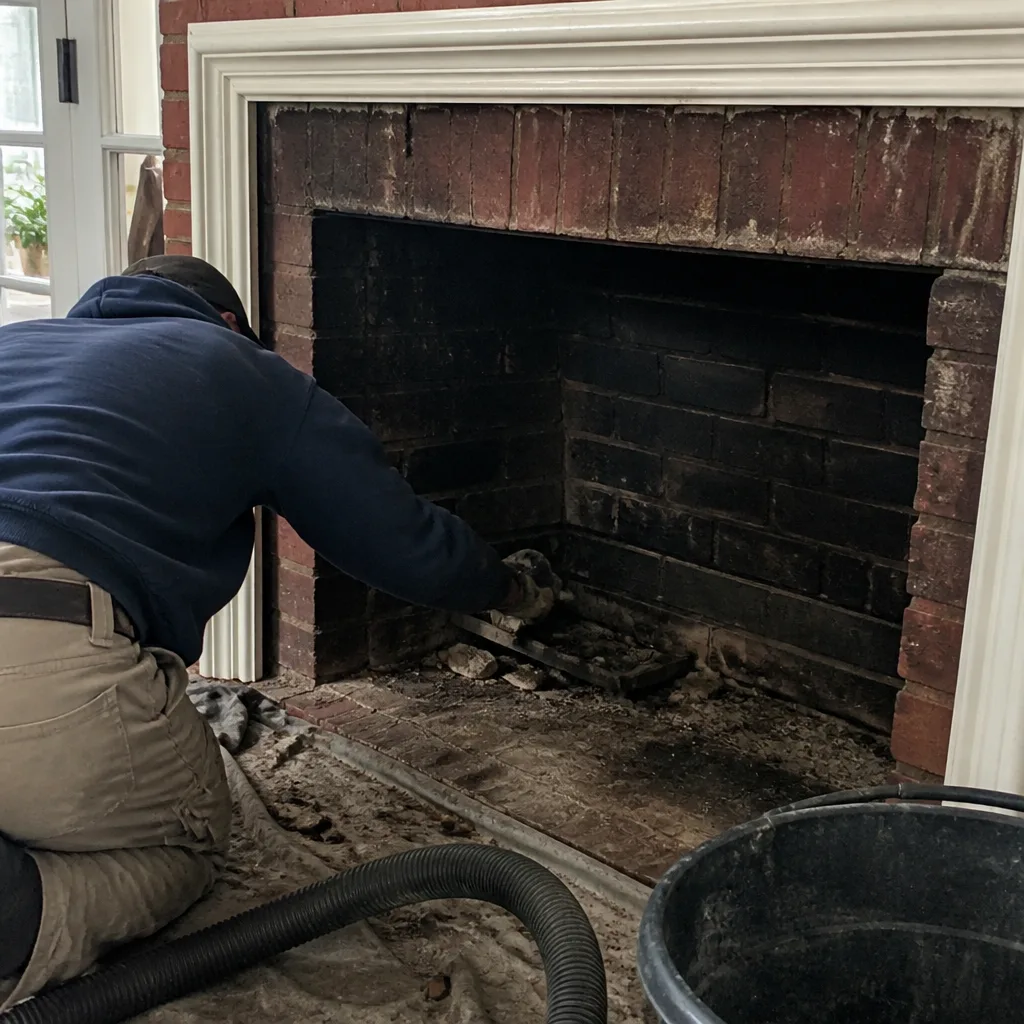 Before
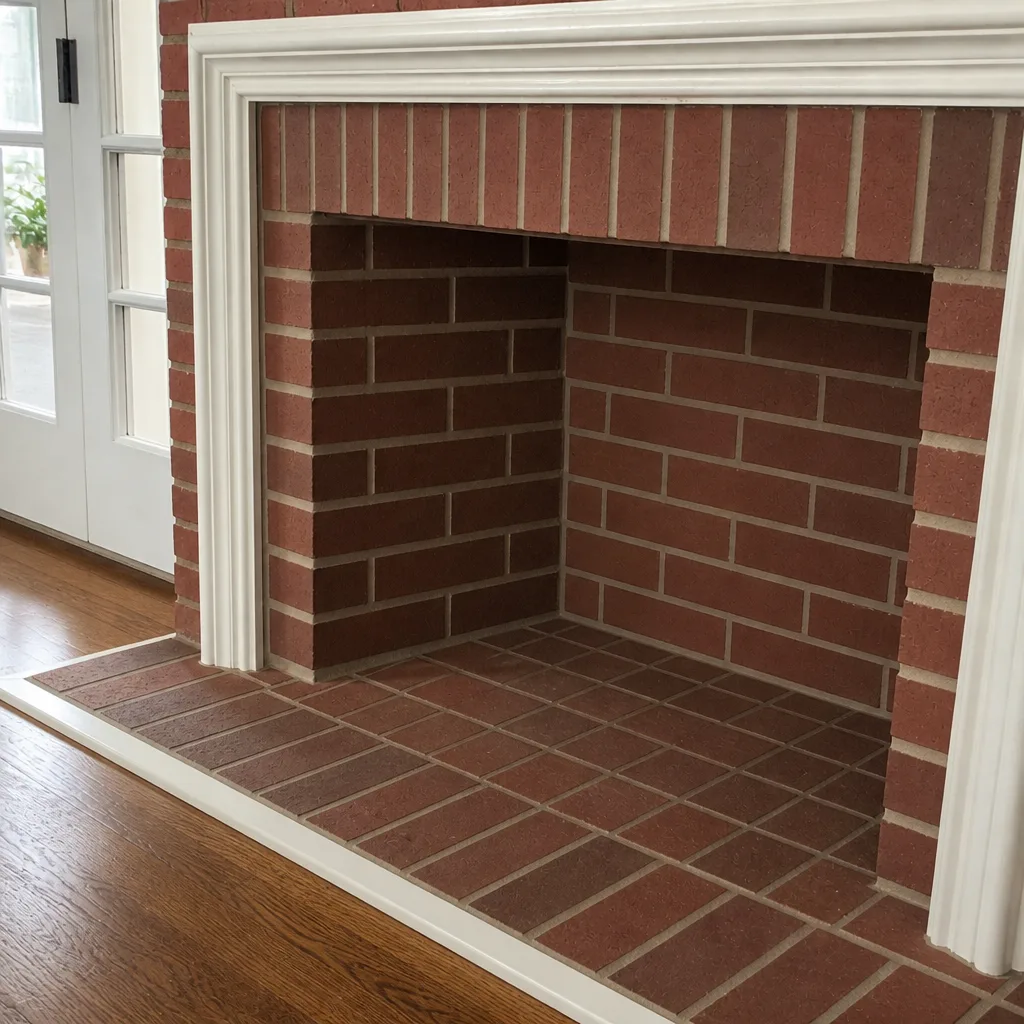 After
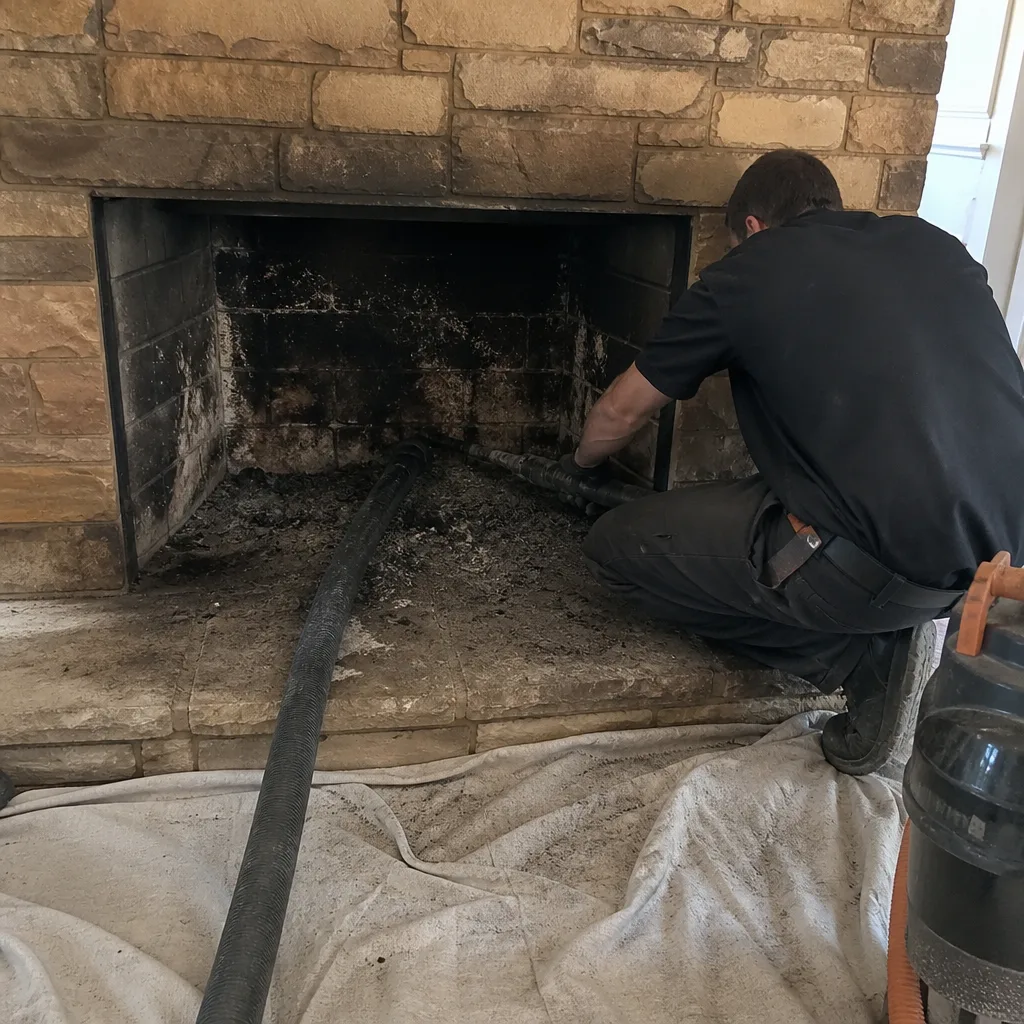 Before
 After
 Before
 After
When to Call a Professional
Some chimney work is routine and some is a phone call you should make right away. Call a professional if you smell a strong creosote odor any time of year, if smoke backs into the room when you light a fire, if you can see cracked or missing mortar on the exterior of the chimney, or if you’ve had a chimney fire (even a small one you think you put out yourself). Call before your first burn of the season rather than after, since an inspection before the season tells you what the chimney needs while you still have time to schedule it. If you notice a damaged or missing cap, or if the crown looks cracked when you’re on the roof for another reason, that’s worth a call too, because water damage is the most expensive thing that happens to a neglected chimney in Hermitage. Chimney Sweep Hermitage offers free estimates in Hermitage. Call (877) 792-7308. We answer 24/7. Fast dispatch from 7am to 7pm, Sunday through Friday.
Frequently Asked Questions
A complete chimney cleaning in Hermitage typically costs $185 to $450 for 2026, covering flue brushing, smoke chamber cleaning, a Level 1 camera inspection, a written report, and debris disposal. A bare-bones sweep quoted at $79 to $129 usually skips the inspection and the report, which are the parts that protect your home and satisfy your insurer. Call (877) 792-7308 for an exact quote: estimates are free.
Only if the camera inspection shows the current liner is failed, cracked, missing, or undersized for the appliance. A liner is not a routine replacement, and no honest recommendation should happen before inspection. If a sweep recommends a liner without showing you the footage, ask to see it before authorizing anything. If the liner is failing, options range from HeatShield flue restoration ($800 to $1,800) to a full DuraFlex flexible liner ($2,000 to $4,500). Call (877) 792-7308 for an exact quote: estimates are free.
Once a year for a wood-burning fireplace is the standard recommendation, usually before the first burn of the season. A gas fireplace doesn’t build creosote the same way, but it still needs an annual inspection because gas flues can corrode and blockages from animals and debris are common. A home that only burns occasionally can sometimes stretch to two years between sweeps, but the inspection should still happen annually. Call (877) 792-7308 for an exact quote: estimates are free.
The creosote builds through Stage 1, Stage 2, and Stage 3, and the cost to remove it rises at each stage, from included in a regular sweep to $150 to $400 in chemical treatment. Skipping several seasons can also degrade the flue liner, which turns into a $2,000 to $4,500 relining job, and water intrusion from a cracked crown or failed cap can lead to $1,500 to $6,000 in masonry repair. A chimney fire is the worst-case outcome, and heavy creosote is what fuels it. Call (877) 792-7308 for an exact quote: estimates are free.
They’re pricing different jobs. The $99 quote is usually for a partial sweep that skips the smoke chamber, the camera inspection, and the written report. The $350 quote is for a complete documented service. Comparing the two is only useful if you compare what’s included. Ask each company to itemize the quote before you book.
We don’t recommend it, and not because it’s impossible. It’s because the risk isn’t in the brushing, it’s in the roof access, the heavy creosote removal, and the fact that a homeowner can’t inspect their own flue. The inspection is the part that tells you whether the chimney is safe to use, and that requires a camera and the training to read what it shows. For routine cleaning and the annual inspection, a trained technician is the right call. Call (877) 792-7308 for an exact quote: estimates are free.
The Bottom Line
The advertised sweep price is not the cost of a chimney cleaning in Hermitage. A complete, documented service in 2026 runs $185 to $450 and includes the flue brushing, smoke chamber cleaning, camera inspection, written report, and disposal that make the visit worth doing. The price variation is driven by chimney height, number of flues, fuel type, and creosote stage, and those are things a diagnostic inspection can tell you before you spend thousands on a liner or masonry repair you may not need. Skipping the annual cleaning doesn’t save $300. It moves the cost into Stage 3 treatment, relining, and masonry repair, where the numbers run into the thousands. The right approach is inspection first, recommendation second, with evidence you can see. That’s how we work, and it’s the standard any quote should be measured against.
If you’re ready to get a real number for your chimney in Hermitage, call (877) 792-7308. We answer 24/7. Fast dispatch from 7am to 7pm, Sunday through Friday. A written estimate sets the final price, and the estimate is free. We work with a curated roster of professional chimney industry brands, including HeatShield, DuraFlex, Gelco, Olympia Chimney, and Famco, so the recommendation you get is grounded in products built for the job, not hardware-store substitutes. If you want to understand the full scope of what a chimney specialist handles, from routine chimney sweep visits through fireplace repair and chimney cap & crown work, the full range is available through a single call.
Written by the team at Chimney Sweep Hermitage.