
Last updated November 24, 2026
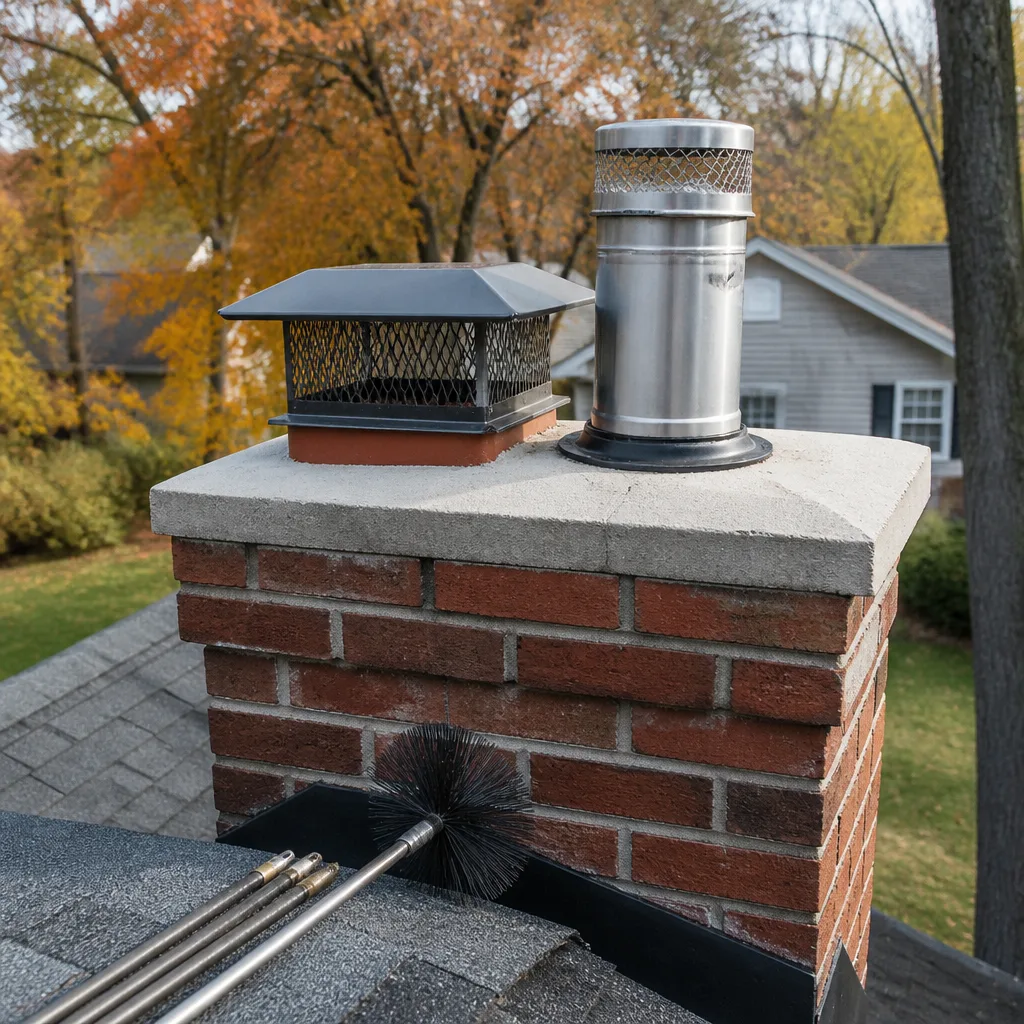 Sweep & inspection
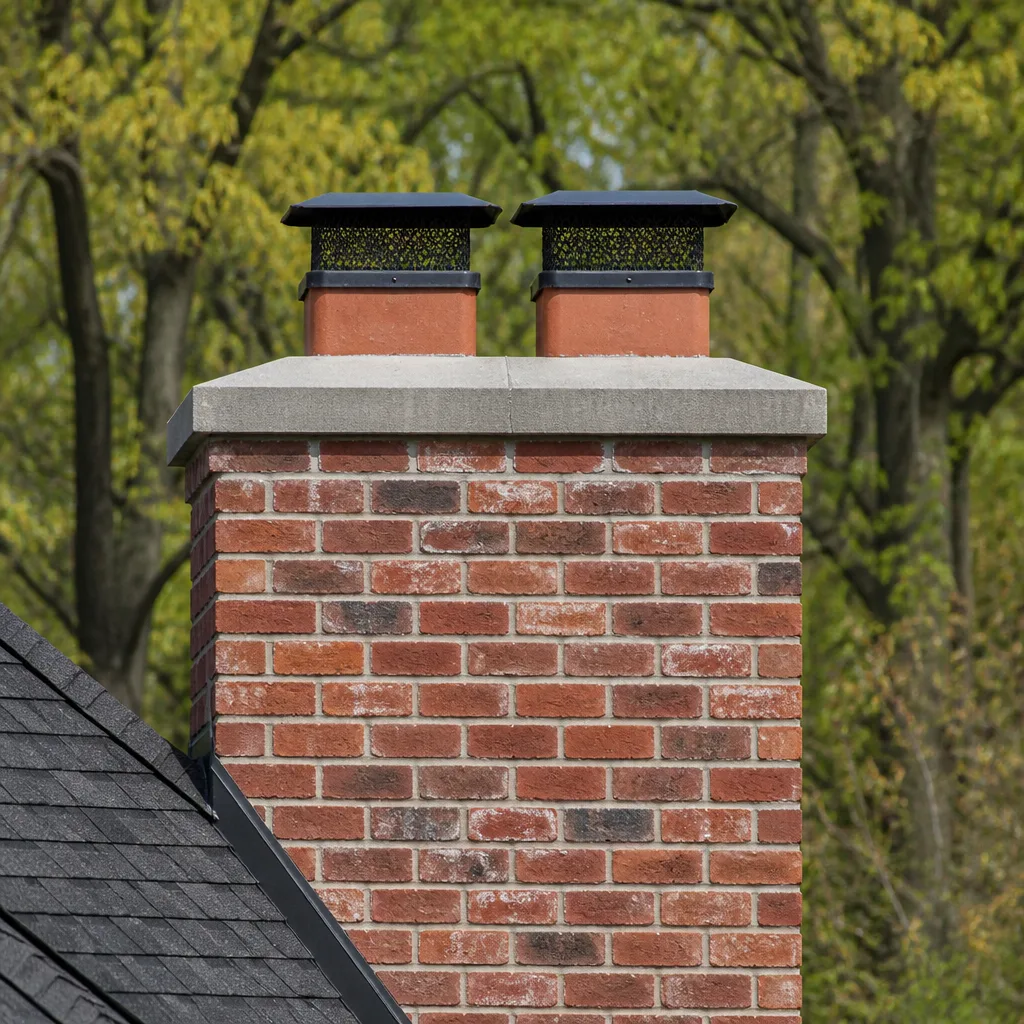 Caps & crowns
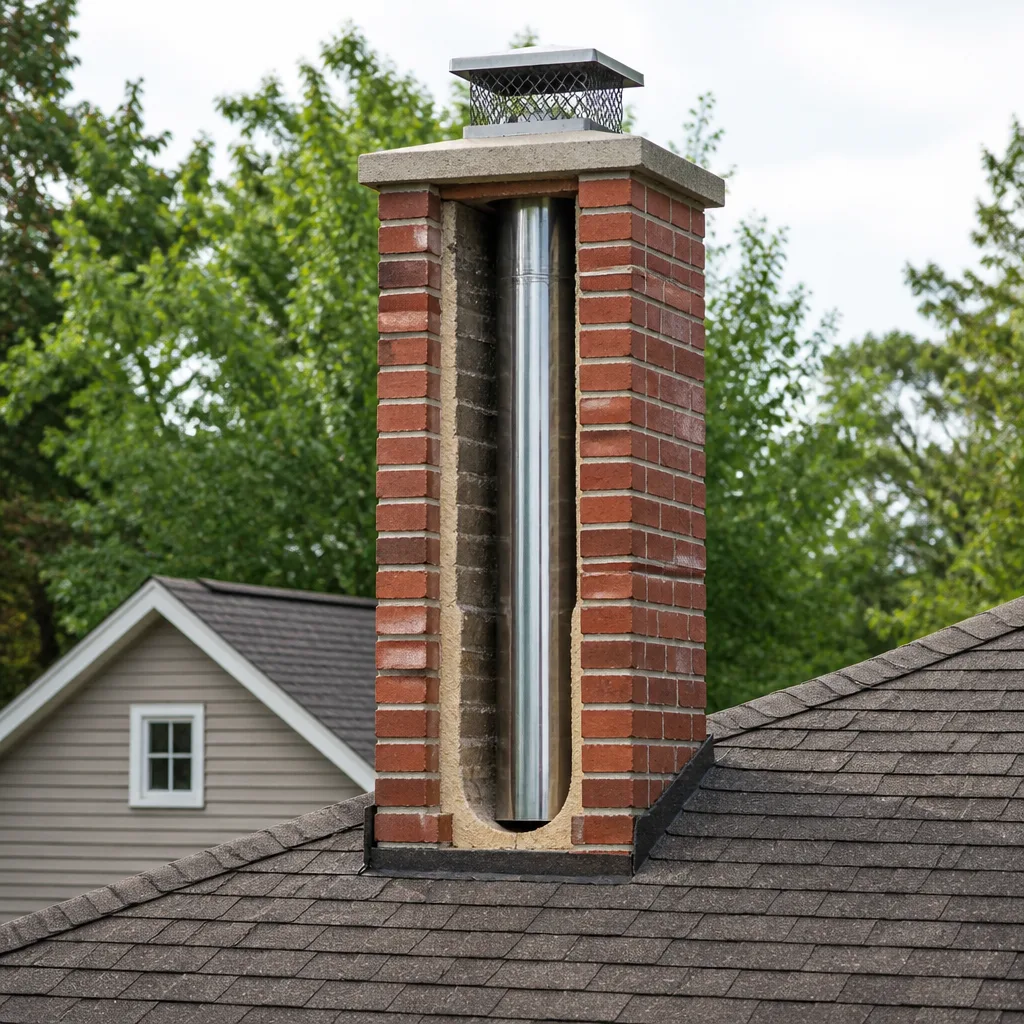 Flue relining
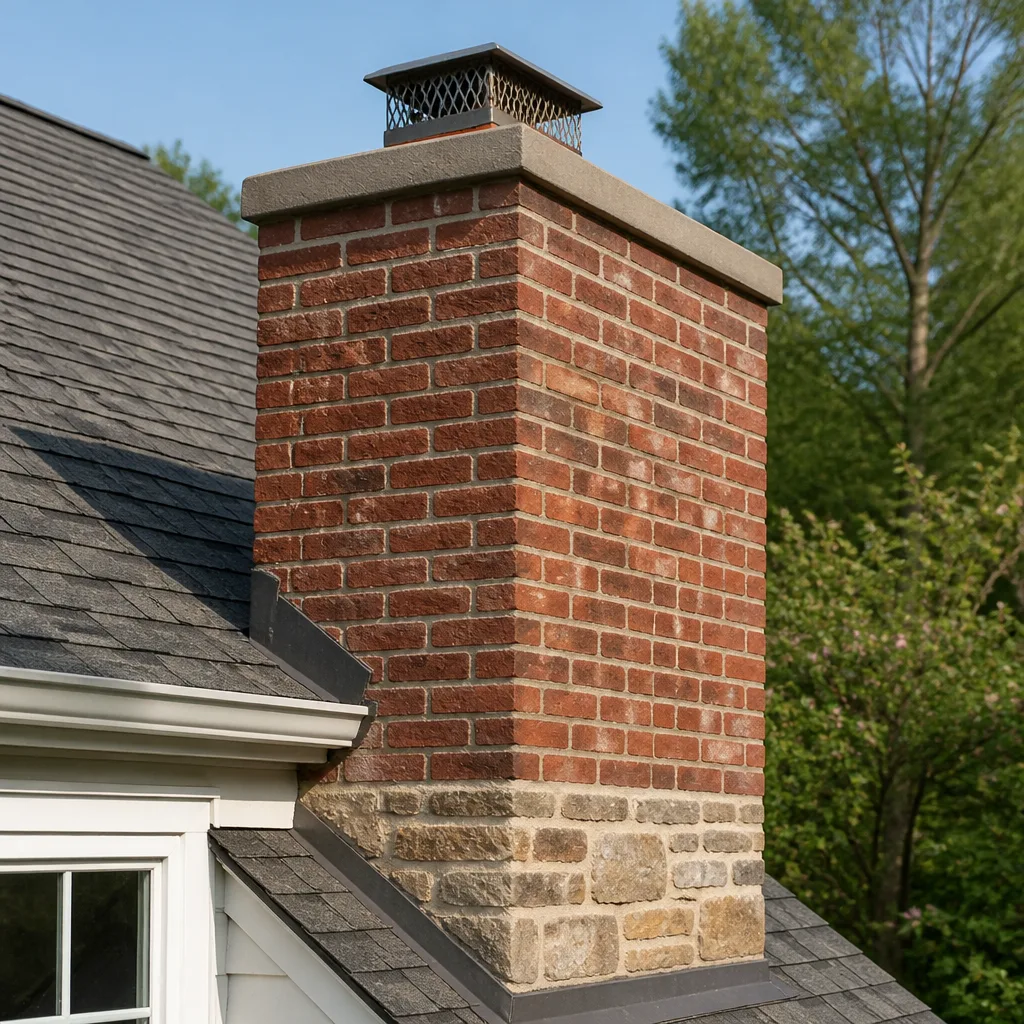 Masonry repair
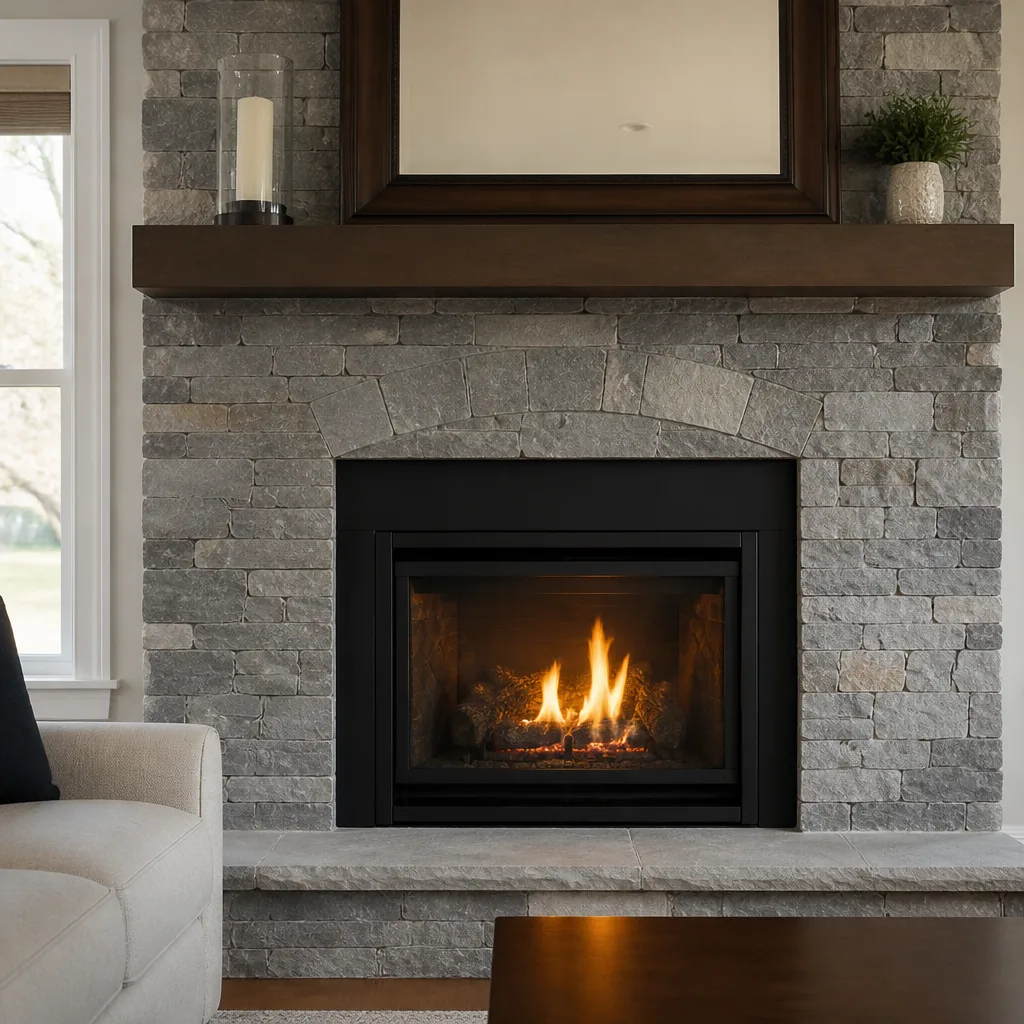 Gas fireplace service
Level 1 sweep and inspection to the NFPA 211 annual standard - flue, crown, cap, and flashing checked and photographed
Chimney sweep logs do not sweep chimneys. They loosen some creosote - which then falls where a brush and vacuum still have to collect it.
Chimney Cleaning Permits, Codes & Inspections in Hermitage, TN: What You Need to Know
A chimney sweep who replaces a liner without pulling a permit in Davidson County isn’t saving you paperwork. They’re creating a liability that can surface at the worst possible time: a fire claim or a home inspection during sale. Most homeowners assume chimney work never touches the permit office. Cleaning doesn’t. The moment a job crosses into repair, liner replacement, or component swaps, Tennessee code and local building rules apply, and the paper trail matters. In this guide we walk through where that line sits in Hermitage, what NFPA 211 requires, which inspection level you actually need, and how to tell whether your contractor should be pulling a permit.
Quick Answer
Routine chimney cleaning in Hermitage, TN does not require a permit. Repair, relining, and component replacement generally do require a building permit through the local codes office, and the work must meet Tennessee Residential Code and NFPA 211. A CSIA Level 2 inspection is the standard most insurers and real estate transactions ask for.
Styles & brands we work with
- Sweep & inspection
- Caps & crowns
- Flue relining
- Masonry repair
- Gas fireplace service
Table of Contents
- Cleaning vs. Repair: Where the Permit Line Sits
- What NFPA 211 Actually Requires
- The Three CSIA Inspection Levels
- What “Code-Compliant” Means for Each Component
- When to Ask Your Contractor to Pull a Permit
- How This Plays Out in Hermitage
- Permits, Insurance Claims, and Home Sales
Cleaning vs. Repair: Where the Permit Line Sits
The distinction is simple to state and easy to blur in practice. Sweeping removes creosote and debris from an existing, functional chimney. It changes nothing structural, so no permit applies. Repair and replacement alter the chimney system itself, which is where Tennessee Residential Code and Davidson County permit rules enter the picture.
Here’s how the split generally works:
- No permit typically required: routine sweeping, a Level 1 inspection, cap tightening, minor crown crack sealing with sealant, firebox cleaning, damper adjustment.
- Permit typically required: flue liner replacement, new liner installation in an unlined chimney, chimney cap or crown replacement, firebox rebuild, masonry repair affecting structure, flue resizing, chase or stack alterations.
- Gray area: HeatShield flue restoration. Because it restores the existing liner rather than installing a new one, whether a permit is required depends on how the local codes office reads the scope. Ask before work starts.
In our experience around Hermitage, the boundary trips people up most often with cap and crown work. A homeowner hears “it’s just a cap” and assumes no paperwork. But a crown replacement is structural repair to the chimney top, and many jurisdictions treat it as permitted work. This is one of several jobs we cover under chimney cap & crown service, and we walk through the permit question with each homeowner before we quote.
The takeaway: if the work touches the flue, the crown, the firebox, or the masonry structure, assume a permit may apply until you’ve confirmed otherwise with the codes office.
What NFPA 211 Actually Requires
NFPA 211 is the national standard for chimneys, fireplaces, vents, and solid fuel-burning appliances. It’s not a law in itself. It’s the technical benchmark that most state and local codes, including Tennessee Residential Code, incorporate by reference. When a Davidson County inspector checks a liner installation, NFPA 211 is usually the standard they’re holding the work to.
The parts of NFPA 211 that come up most in Hermitage chimney work:
- Liner continuity: the flue must be continuous from the appliance connection to the top of the chimney, with no gaps, offsets, or unlined sections. A missing or failed liner is the most common serious defect we find.
- Clearances to combustibles: the required separation between the chimney exterior and framing, insulation, and other combustible material. These distances are specific to the appliance type and the venting system, and they’re not negotiable.
- Flue sizing: the flue must be sized to the appliance’s BTU output. An oversized flue cools too quickly and builds creosote; an undersized flue can’t vent safely.
- Cap and crown: the crown must slope to shed water, the cap must keep out rain and animals without restricting draft, and the whole top assembly must be sound.
- Appliance connection: the connector from the appliance to the flue must be properly joined and clear of combustibles.
When a homeowner asks us whether a repair is “up to code,” this is the standard we’re measuring against. Code compliance isn’t a stamp; it’s the sum of these specific details done correctly. If you want a plain-language baseline, start with a chimney sweep and inspection so we can see what you actually have before recommending anything.
The Three CSIA Inspection Levels
The Chimney Safety Institute of America defines three inspection levels, and knowing which one you need saves time and money. Each level answers a different question.
- Level 1: a visual inspection of accessible portions of the chimney, with the appliance in its normal position. This is the baseline check done with every sweep. It’s appropriate for an annual visit when nothing has changed.
- Level 2: everything in Level 1, plus inspection of accessible areas that Level 1 can’t see, typically with a camera or video scan. This is the level most insurers and real estate transactions require, especially after a chimney fire, a change in appliance, or a property sale.
- Level 3: a Level 2 plus inspection of concealed areas, which may mean removing portions of the chimney or building finish. This is reserved for cases where a serious defect is suspected but can’t be confirmed any other way.
Which one you need in Hermitage depends on why the inspection is being done. Annual maintenance: Level 1. Buying or selling a home, or filing an insurance claim: Level 2. A confirmed chimney fire or a persistent problem no one can locate: Level 3.
One thing we insist on: inspection comes first, recommendation second. A Level 2 inspection with camera evidence stands on its own. We don’t recommend a repair without showing you the footage it’s based on, and we’ll tell you plainly when work can safely wait.
When Each Level Is Typically Required
- Level 1: yearly cleaning, routine maintenance, appliance unchanged.
- Level 2: insurance claims, real estate transactions, after a chimney fire, after a liner or appliance change, or before any repair on an unfamiliar chimney.
- Level 3: suspected hidden defects, structural damage, or a problem that Level 2 can’t resolve.
What “Code-Compliant” Means for Each Component
“Code-compliant” gets thrown around loosely. In practice, it means specific measurements met for specific components. Here’s what that looks like chimney by chimney.
Flue Liner Sizing
The flue must be sized to the appliance’s BTU output, not to whatever’s already installed. Replacing a wood-burning appliance, or switching from gas to wood, often means the existing flue is now the wrong size. A properly sized flue vents efficiently and builds less creosote. We install DuraFlex flexible liner systems to correct failed or undersized flues, because liner failures are one of the most common serious issues we find in Hermitage homes.
Clearance Requirements
Wood-burning appliances and their venting have required clearances to combustible material. Those distances vary by appliance and vent type, and they exist because the alternative is a fire inside the wall or framing. A compliant installation respects them; a non-compliant one either reduces the clearance or covers it up where no one can see. This is why an inspection that actually opens up access matters.
Cap and Crown Specifications
The crown should slope so water runs off rather than puddling. The cap should keep rain, birds, and debris out without choking the draft. Both need to be fitted to the chimney, not squeezed on. We supply and install caps from Gelco, Famco, and Olympia Chimney because a properly fitted cap lasts, while a generic one gets replaced. When a crown has cracked through, we rebuild it rather than patching over the problem.
Firebox and Hearth
The firebox must be sound, with no cracks that let heat reach surrounding material. The hearth extension must meet the size required for the appliance. These are the details that show up in a Level 2 inspection and get flagged in a home sale, which is why we treat fireplace repair as part of the same code conversation.
When to Ask Your Contractor to Pull a Permit
If you’re ever unsure, ask the contractor to pull the permit. A reputable one will, and the fee is small relative to the risk of unpermitted work. Here’s how we’d classify common jobs.
- Pull the permit: liner replacement, new liner installation, chimney cap or crown replacement, firebox rebuild, structural masonry repair, any job that alters the flue or stack.
- Ask first: HeatShield flue restoration, since whether it counts as repair or restoration depends on the local codes office. We confirm with the homeowner before booking either way.
- No permit expected: routine sweeping, Level 1 inspection, damper work, minor sealant.
One more thing worth stating plainly. A sweep who swaps a liner without a permit isn’t doing you a favor. The unpermitted work may not be discovered for years, but when it is, it’s your liability, not theirs. If your contractor shrugs at the question, that’s a signal. Our technicians have up to 9 years of experience with these jobs, and we treat permitting as part of the work, not an inconvenience.
Questions to Ask Before Booking Any Repair
- Will this require a permit, and who pulls it?
- What inspection level covers this job, and will I see the camera footage?
- Is the work being described under NFPA 211 or under a local amendment?
- What happens to the permit record if I sell the house?
How This Plays Out in Hermitage
Hermitage sits in Davidson County, and that matters for how permits and codes are handled. Local building code enforcement, not a state office, is where the paperwork for a liner or crown replacement originates. When you’re planning work on your Hermitage home, the codes office that governs your address is the one to check with, and we’ll tell you which questions to bring them.
The housing mix in Hermitage shapes what we find. A good share of the housing stock has wood-burning fireplaces that were installed decades ago, and some of those systems predate modern liner requirements. In our experience, this is where the permit question matters most: a homeowner who’s been using a fireplace for years may not realize the flue was never lined to current code. When we inspect a Hermitage chimney, that’s one of the first things we check.
Middle Tennessee’s climate also plays a role. Our winters are cold enough to drive regular fireplace use and mild enough that many homeowners let maintenance slide for a season or two. The freeze-thaw cycles around Hermitage stress the crown and cap every year, and a crown that develops a hairline crack will let water in, which then freezes and widens the crack. By the time it’s obvious, it’s a repair rather than a seal. That’s why we recommend an annual inspection with cleaning, so the crown and cap get checked before the damage compounds.
Whether you’re near the Hermitage residential neighborhoods or out toward the older subdivisions, the standards are the same. NFPA 211, Tennessee Residential Code, and the local codes office that governs your address. If you’re new to the area, start with our Chimney Sweep Hermitage overview, then we’ll schedule an inspection.
Permits, Insurance Claims, and Home Sales
Permits leave a record. That record is what matters when you file an insurance claim or sell the home. Unpermitted work doesn’t disappear; it sits there until someone looks, and the person who looks is usually an insurance adjuster or a home inspector.
Insurance Claims
After a chimney fire or a claim related to the chimney, insurers frequently want a Level 2 inspection report. If the chimney was relined or repaired without a permit, the claim can get complicated. The insurer may ask who did the work, whether it was inspected, and whether it met code. A permitted job with inspection documentation answers those questions. An unpermitted one may not. This is why we encourage homeowners to keep records, and we can work with your insurer on the documentation side.
Home Sales
In a real estate transaction, a Level 2 inspection is standard, especially for a wood-burning fireplace. If the inspection turns up unpermitted liner work, the buyer’s inspector will flag it, and the seller is now in a scramble. Permits and inspection records let a sale move without a surprise.
The Practical Upshot
- Keep every permit and inspection report with your home records.
- Request a Level 2 inspection before you list the home if it hasn’t been done recently.
- If you’re filing a claim, get the inspection and the report in hand before the adjuster asks.
- If work was done unpermitted, don’t panic; a current inspection can document what’s there and what needs correcting.
Common Mistakes to Avoid
- Assuming all chimney work is permit-exempt. Cleaning is. Repair and liner replacement usually aren’t, and treating them the same creates unpermitted work that can surface in a claim.
- Accepting a repair without seeing camera evidence. A recommendation should be based on footage you can watch. If there’s no footage, you have no way to verify the scope, and you shouldn’t be booking repair on trust alone.
- Skipping the Level 2 inspection before a sale. A buyer’s inspector will order one anyway. Getting it done early gives you time to fix anything that turns up rather than negotiating over it at closing.
- Letting a crown crack go unaddressed through the winter. Freeze-thaw cycles in Hermitage widen a small crack into a structural repair, and the cost difference between a seal and a rebuild is significant.
- Hiring a sweep who won’t talk about permits. If the contractor dismisses the question, or says permits never apply, get a second opinion. Serious repair work on a chimney involves the codes office.
- Replacing a fireplace without checking the flue size. A new appliance with a different BTU output can turn a code-compliant flue into an oversized one, and that builds creosote fast.
- Throwing out the inspection report. Keep it. It’s your proof of condition at a given date, and it matters for insurance and resale.
See the difference
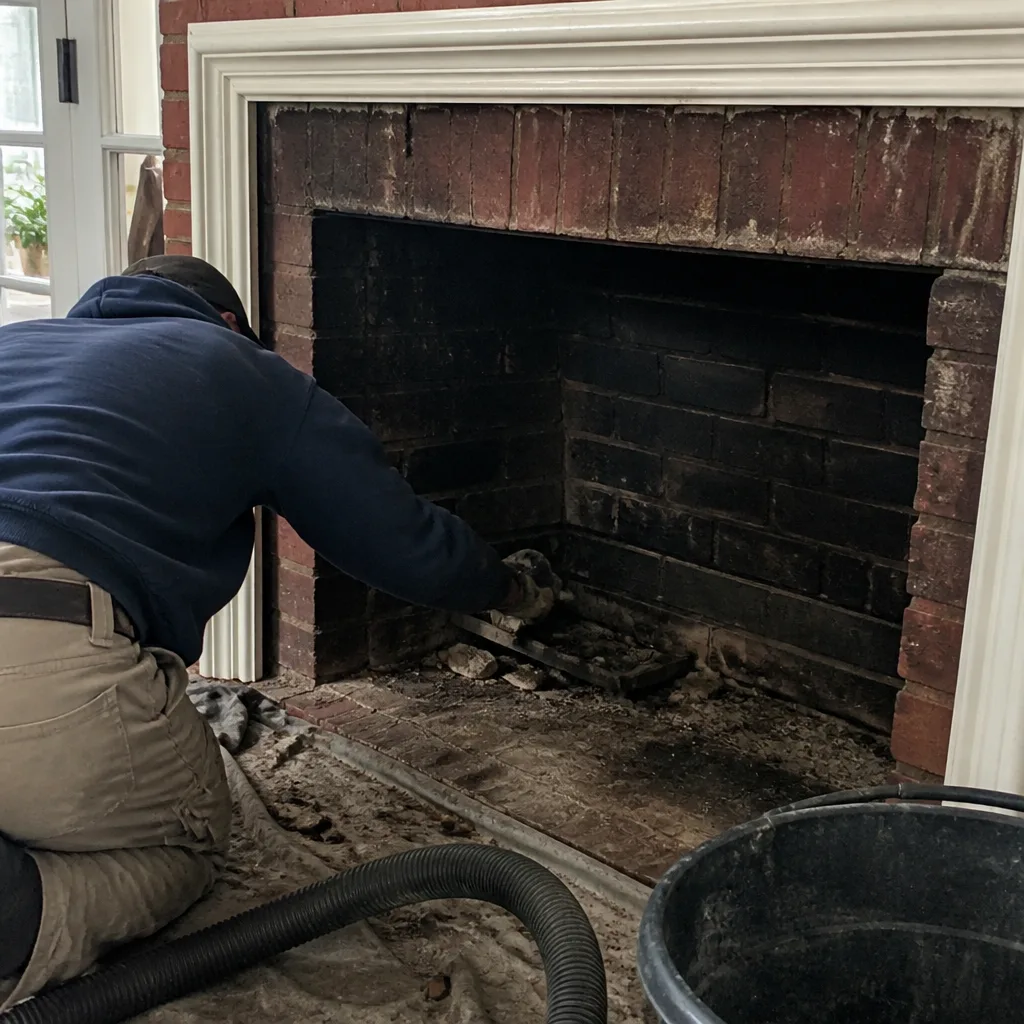 Before
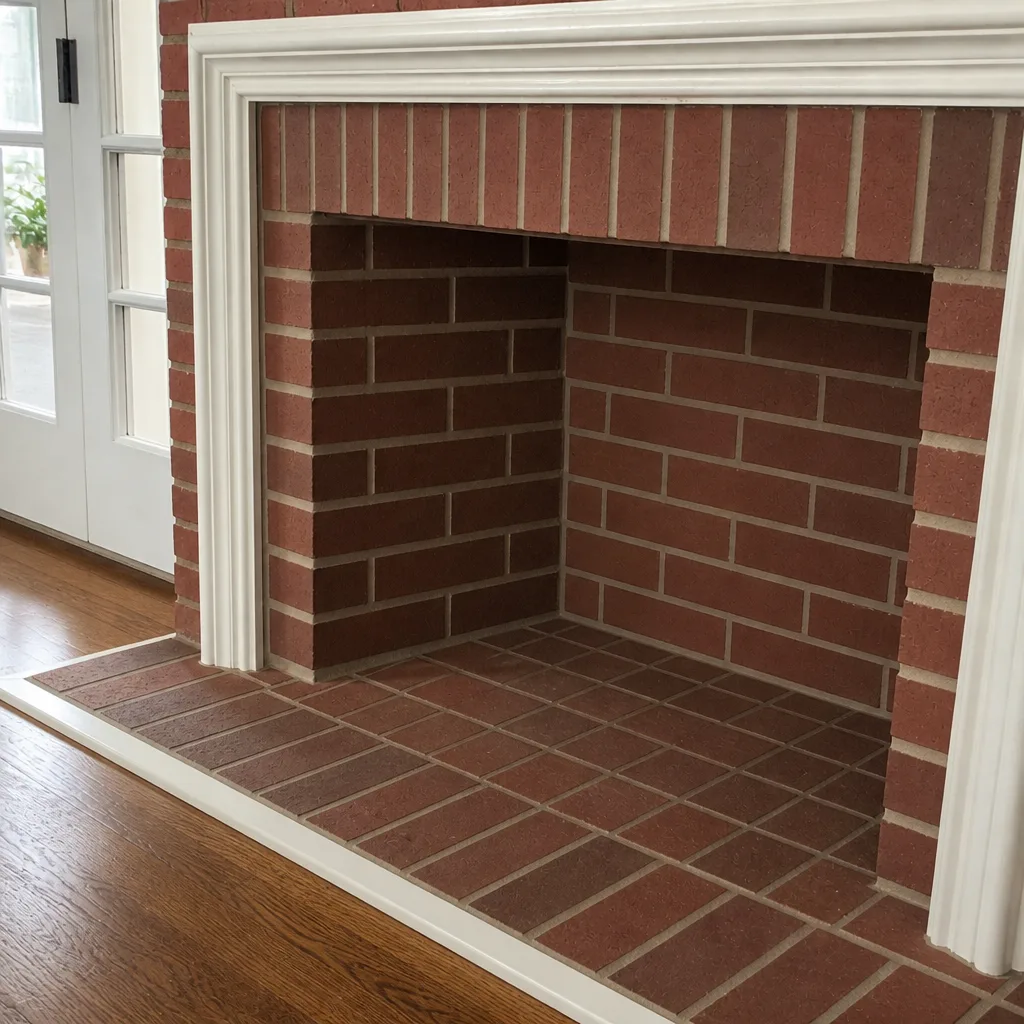 After
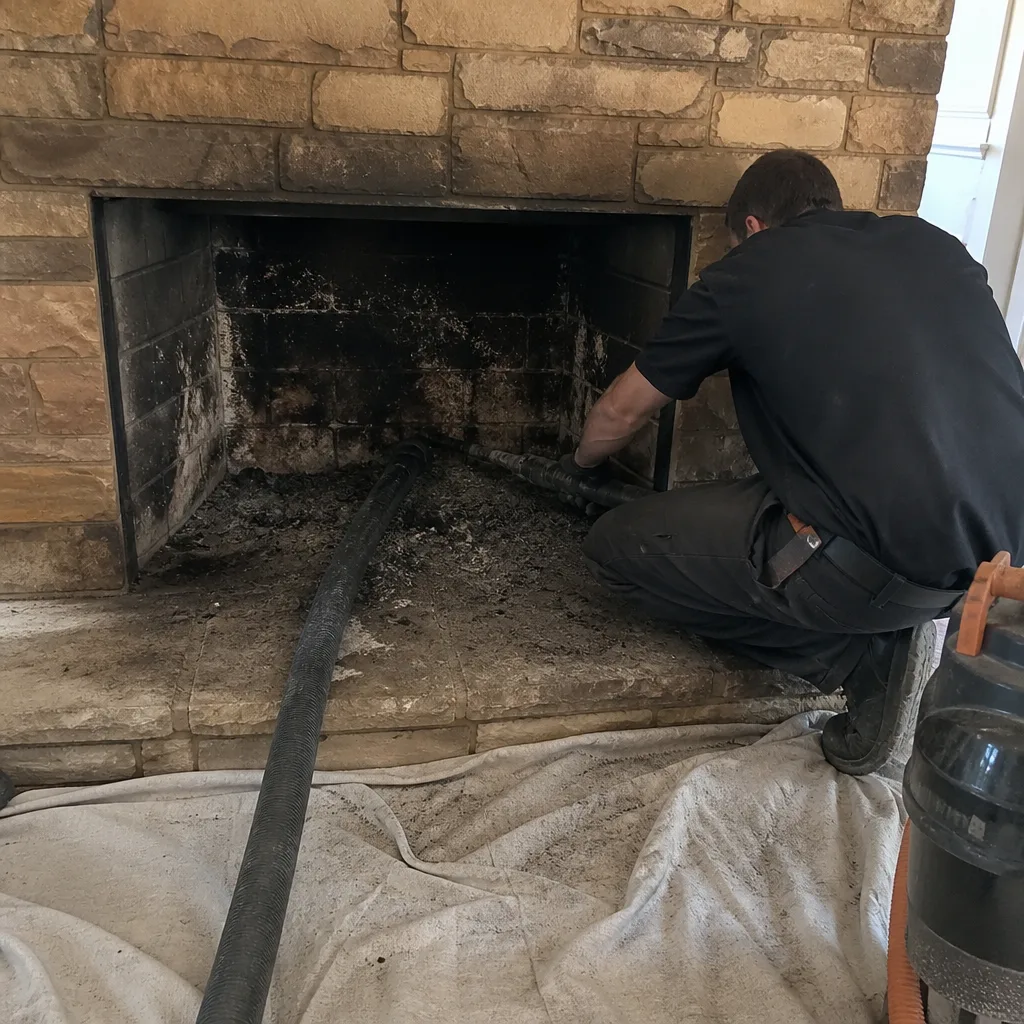 Before
 After
 Before
 After
When to Call a Professional
Call for an inspection if you’ve never had one, if it’s been a while, or if anything about your fireplace has changed. Call sooner if you’ve had a chimney fire, if smoke backs into the room, if you smell creosote, or if a masonry section looks cracked or crumbling. Those are signals that a Level 2 inspection is warranted, not a wait-and-see. Call before any repair that involves a liner, crown, or firebox, so the permit question gets settled before the work starts. Chimney Sweep Hermitage offers free estimates in Hermitage – call (877) 792-7308. We answer 24/7. Fast dispatch from 7am to 7pm, Sunday through Friday. The estimate is free, and the written estimate sets the final price.
Frequently Asked Questions
No. Routine chimney cleaning does not require a permit in Hermitage or anywhere else in Tennessee. Cleaning removes creosote and debris from an existing chimney without altering the structure, so no building permit applies. If the work moves into repair, liner replacement, or component swaps, that’s when the codes office gets involved. Call (877) 792-7308 for an exact quote on a sweep – estimates are free.
It depends on the condition of the existing liner, and the only way to know is a camera inspection. If the liner is intact but has minor cracks and gaps, HeatShield flue restoration may be the better option and costs less than a full replacement. If the liner is missing or has failed sections, a new liner is the right call. We show you the footage and tell you which applies. Call (877) 792-7308 for an exact quote – estimates are free.
Once a year for a wood-burning fireplace in regular use, per NFPA 211 guidance, and more often if you burn a lot of wood. A gas fireplace may need less frequent cleaning but still needs an annual inspection. Middle Tennessee winters mean many Hermitage homeowners use their fireplace regularly, so annual is a good baseline. Call (877) 792-7308 to schedule – estimates are free.
Creosote builds, a liner defect goes unnoticed, and a crown crack lets water in. Any of those can lead to a chimney fire, carbon monoxide in the living space, or structural damage that costs far more to fix than the annual visit would have. A chimney fire can also void an insurance claim if the work on the chimney was never permitted. Call (877) 792-7308 for an exact quote – estimates are free.
A CSIA Level 2 inspection is the standard most insurers request after a chimney fire or a claim related to the chimney. It goes beyond the visual Level 1 check and includes accessible areas seen with a camera. If a serious defect is suspected but can’t be confirmed, a Level 3 may be needed. Call (877) 792-7308 for an exact quote – estimates are free.
Pricing is set per job by a written estimate, so it depends on the chimney and what the inspection finds. We don’t quote a fixed number over the phone, because a chimney that needs repair costs more to make safe than one that just needs a sweep. The estimate is free, and the written estimate sets the final price. Call (877) 792-7308 for yours – we answer 24/7.
The Bottom Line
Cleaning your chimney in Hermitage doesn’t require a permit, but repairing it usually does. Know the line: sweeping and Level 1 inspection are exempt; liner replacement, crown work, firebox rebuilds, and structural repair generally need a permit through the local codes office, with the work held to Tennessee Residential Code and NFPA 211. Ask for a Level 2 inspection before a sale or claim. Ask for camera evidence before any repair. And if a contractor won’t discuss permits, that’s your cue to find another one. We install products from DuraFlex, HeatShield, Gelco, Olympia Chimney, and Famco because the material matters as much as the permit does.
Book your inspection or repair with a professional chimney sweep in Hermitage. Call (877) 792-7308. We answer 24/7. Fast dispatch from 7am to 7pm, Sunday through Friday. The estimate is free, and the written estimate sets the final price.
Written by the team at Chimney Sweep Hermitage.